Outdoor Rug Materials Compared: Fibers, Properties and Use
The fiber is the real buying decision
Color and pattern catch the eye first, but outdoors the fiber decides lifespan and upkeep. A rug whose material does not match the spot smells musty after the first long spell of rain or loses its color after one summer. This comparison ranks the four relevant material groups by the properties that count outside and shows which fiber suits which place.
Polypropylene, polyester, PET and natural fiber side by side
The overview gathers the key differences:
| Material | Weather resistance | UV resistance | Drying | Care | Price level |
|---|---|---|---|---|---|
| Polypropylene (PP) | Very high | High, model-dependent | Very fast | Very easy, hose-washable | Budget to mid |
| Polyester | High | Medium to high | Fast | Easy | Mid |
| PET (recycled) | High | Medium to high | Fast | Easy | Mid |
| Natural fiber (jute, sisal) | Low, covered only | Low | Slow | Sensitive | Mid to high |
Why synthetics lead outdoors
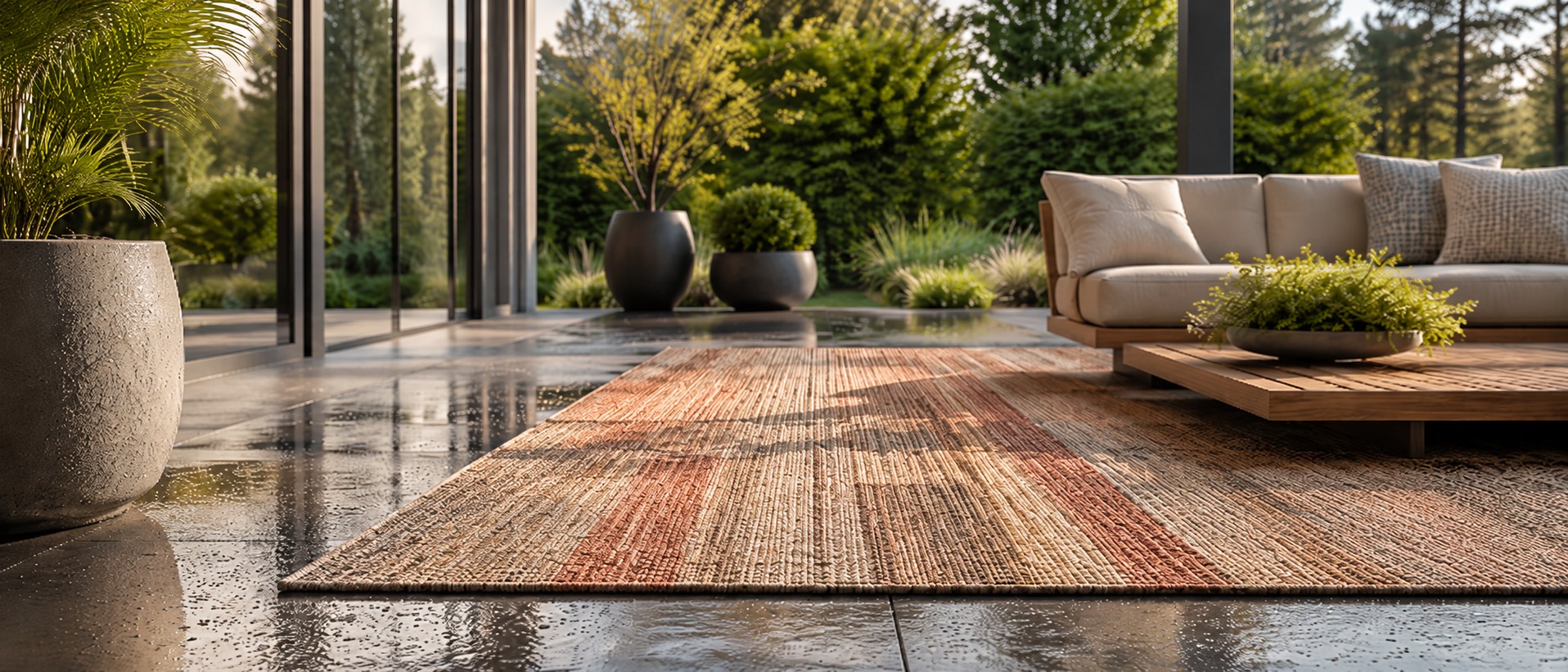
Polypropylene takes on almost no water and dries quickly after a shower. It also resists stains and stays light-fast in many lines, which makes it the safest choice for open balconies and uncovered terraces. Polyester and recycled PET offer comparable weather suitability, often with a softer hand and, for PET, a sustainable origin. The suitable models sit among the synthetic-fiber rugs and the full range of outdoor rugs.
Natural fiber only under cover
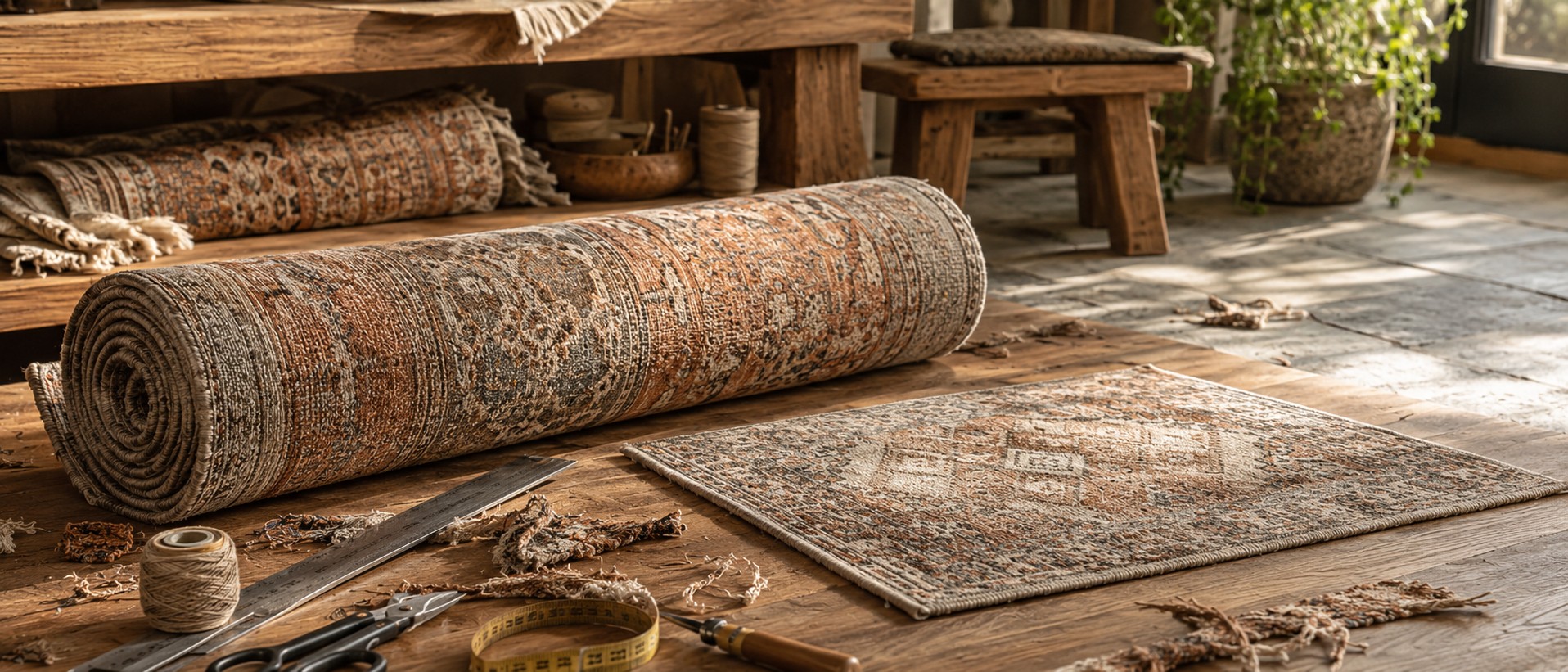
Jute, sisal and coir bring a warm texture that looks good indoors and in covered spots. Out in the rain, real natural fiber reaches its limits: it soaks up water, dries slowly and reacts badly to standing damp. For the natural look outside, a weatherproof synthetic imitation is more practical than real jute.
The role of the weave
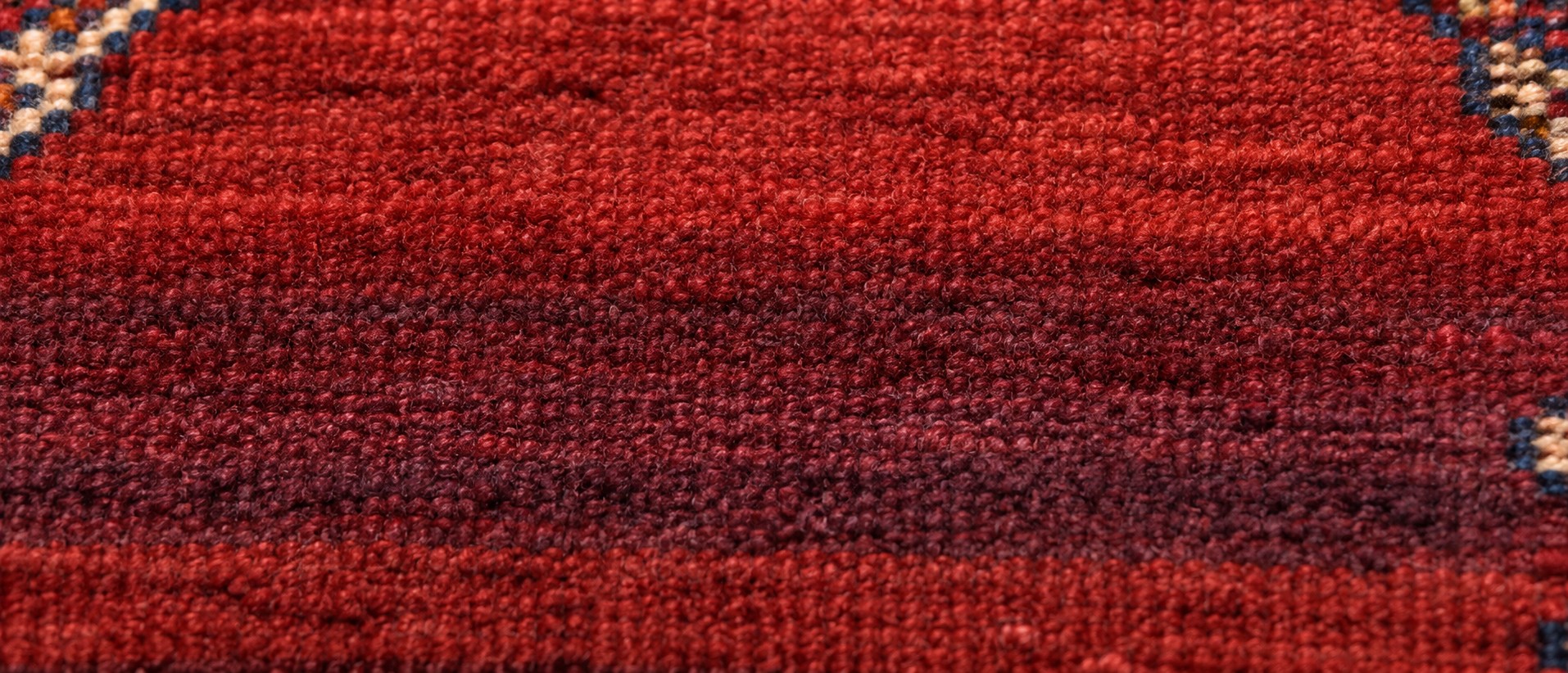
Not only the fiber but the construction shapes behaviour in the wet. A flat, open weave lets water pass through and air circulate, so it dries fast. High pile stores moisture and stays wet longer after rain. Outdoors, the combination of a water-repellent synthetic and a flat weave has the clear edge.
Which fiber suits which place?
- Full-sun balcony: polypropylene with stated UV resistance.
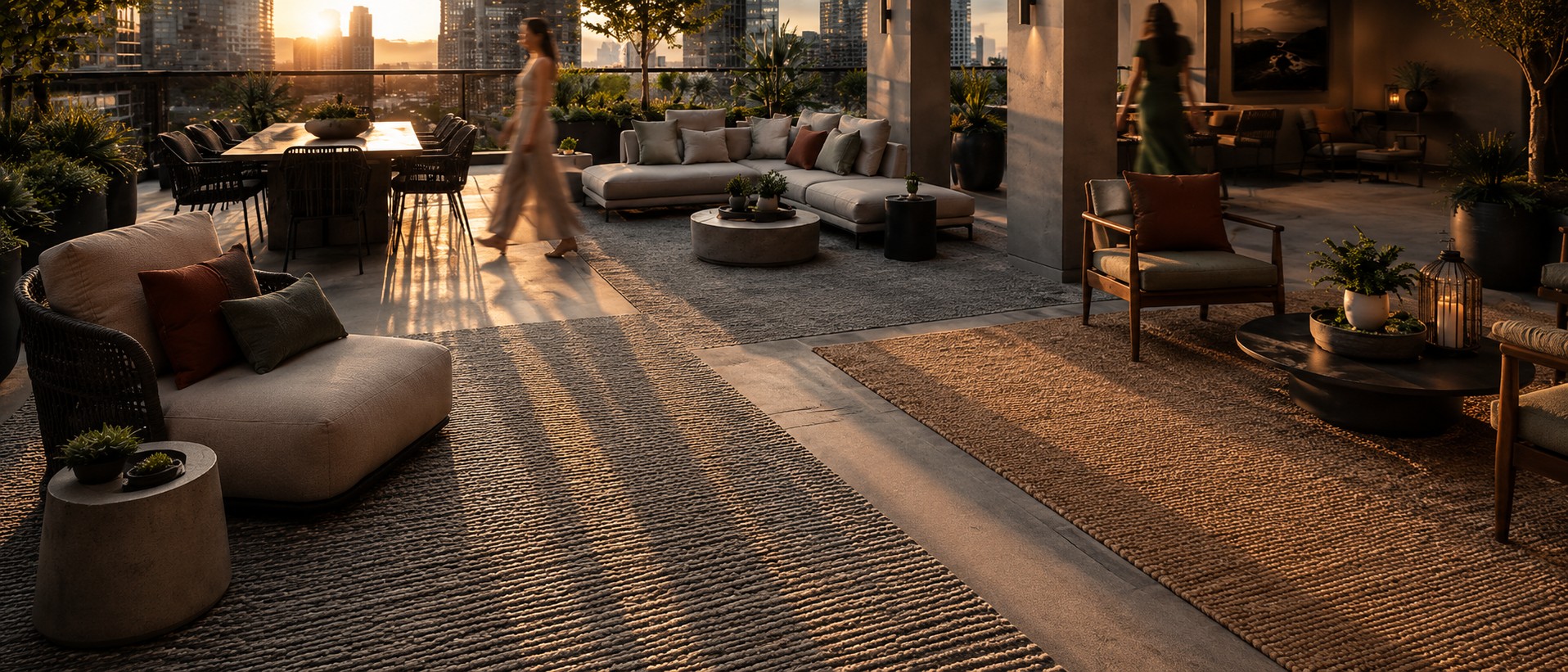
- Busy terrace: densely woven polypropylene or polyester.
- Sheltered loggia: polyester, PET or a natural-fiber look for more texture.
- Sustainable choice: recycled PET with no compromise on everyday use.
Built specifically for permanent outdoor use are the weather-resistant rugs. Match the fiber to the spot and the rug stays a pleasure for a long time.
FAQ
Which material lasts longest on a balcony and terrace?
The longest-lasting materials are synthetics that take on almost no moisture: polypropylene first, closely followed by polyester and recycled PET. They dry fast, barely fade in good qualities and handle temperature swings. Natural fibers look attractive but wear faster outdoors and belong under a roof.
What does water-repellent mean compared with water-permeable?
Water-repellent means the fiber takes on little water. Water-permeable describes the construction: water drains through the weave instead of pooling. Good outdoor rugs combine both, a water-repellent synthetic fiber with a flat, open weave, so the rug dries on its own after rain.
Polypropylene or polyester, which is the better choice?
Both are weatherproof. Polypropylene dries marginally faster, resists stains especially well and usually costs less, ideal for open, heavily used areas. Polyester often feels a little softer and reads as more homely. For an exposed balcony, polypropylene is the safe pick; for a sheltered seat, polyester plays its texture.
Which material is the easiest to care for?
Flat-woven synthetics are the easiest to care for. They can be shaken out, vacuumed and rinsed with a garden hose, and they dry through quickly. High pile and real natural fiber ask for more attention, since they hold moisture and dirt longer.
Is a recycled PET outdoor rug worth it?
Recycled PET pairs weather suitability with a resource-friendly approach. In weather resistance, drying and care it matches polyester. If sustainability matters without giving up everyday practicality, PET is a sensible choice.