
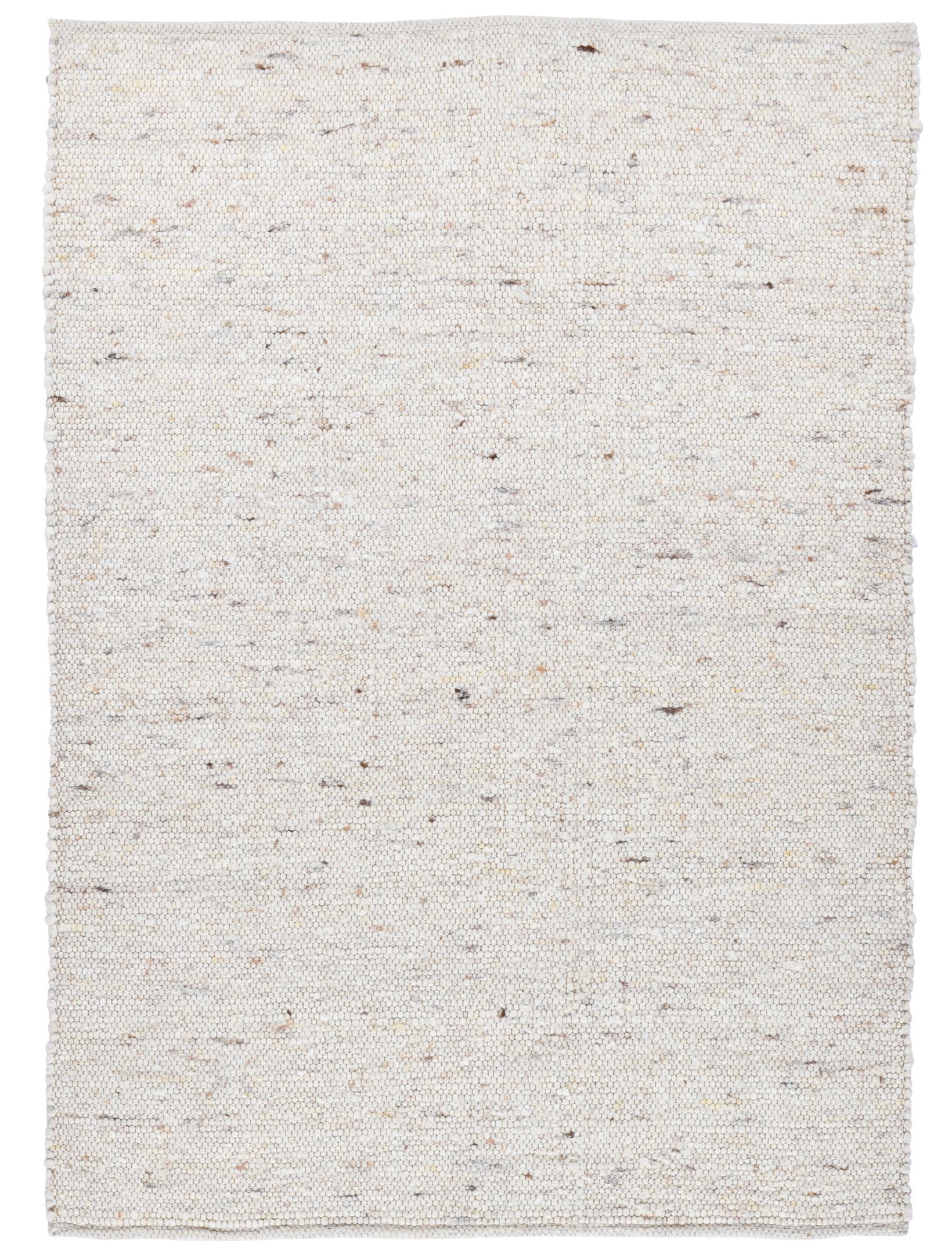


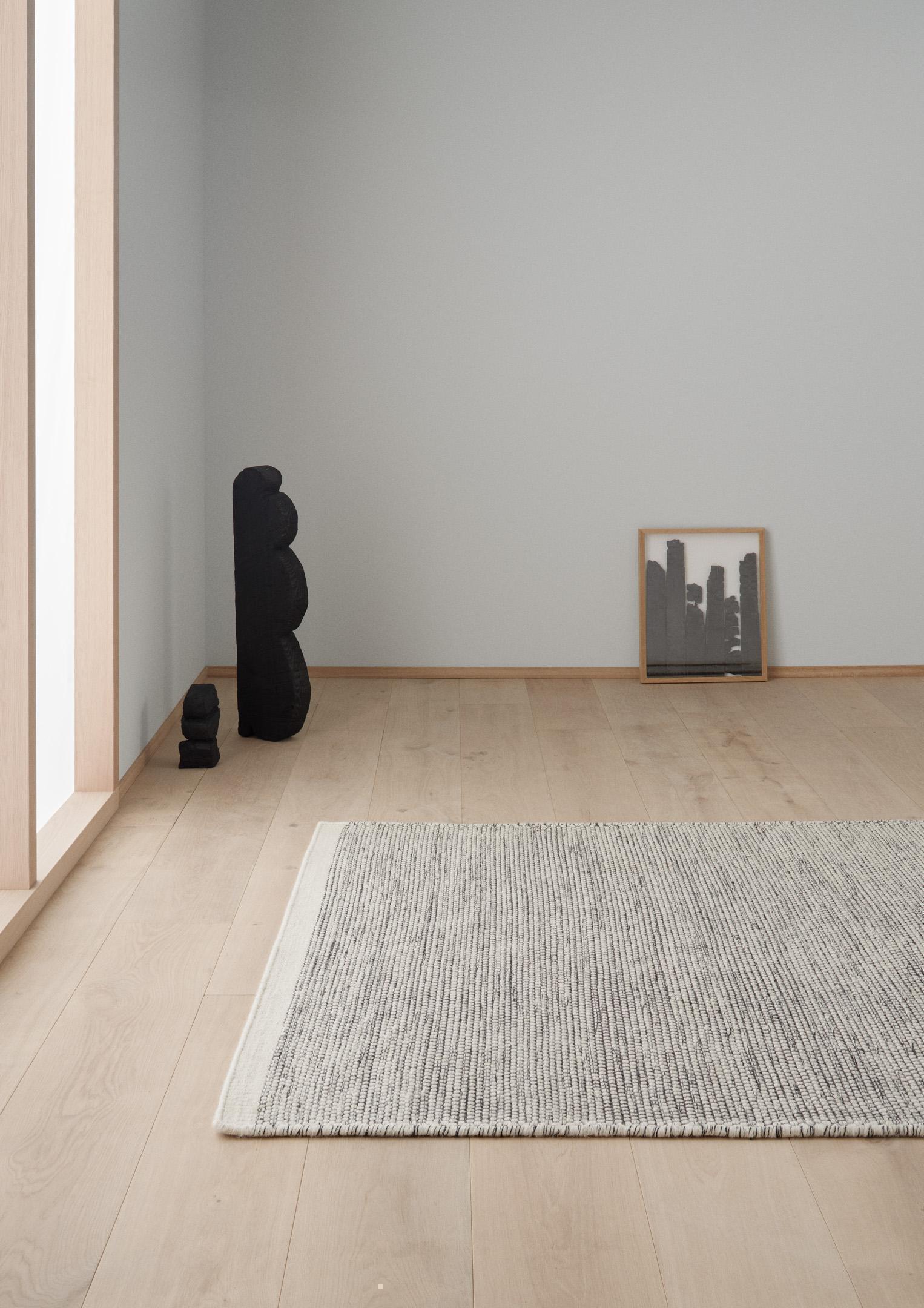


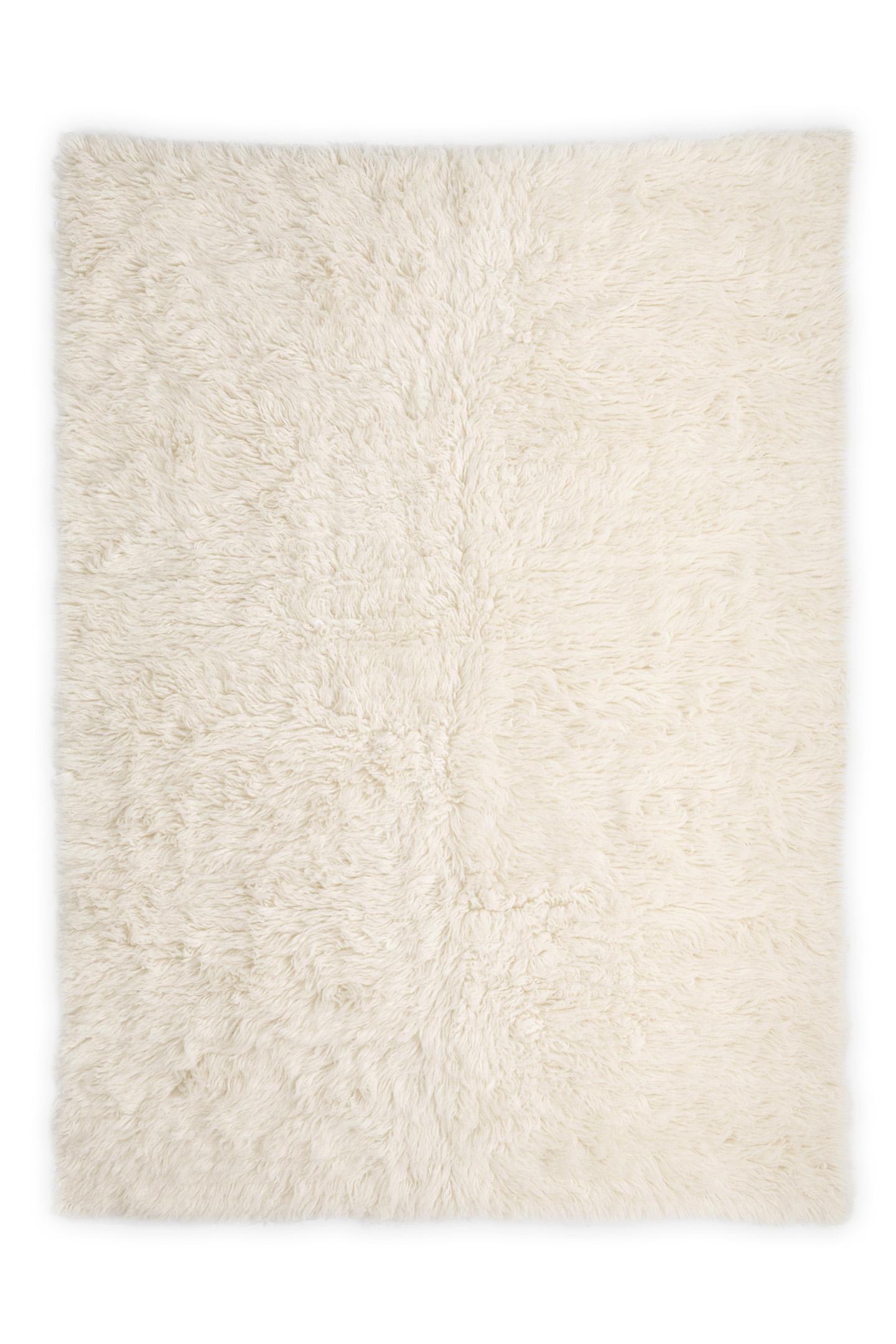


Rug 200x300: the right size for large rooms
A rug 200x300 belongs to the large standard formats and is made for living rooms, dining areas, and bedrooms with plenty of space. On 2x3 m you have enough surface to bring sofa, armchairs, and table together as one unit rather than leaving them scattered across the room. The room instantly feels calmer, more generous, and more clearly structured.
The most common concern with this size: is the rug too large and will it overwhelm the room? Almost always it comes down to proportion and the relationship to the furniture. When handled correctly, a rug 200x300 cm creates a true living island that organizes the entire area. Between the smaller rugs 160x230 cm for more compact rooms and a rug 300x400 cm for very expansive spaces, the 2x3 m format suits the medium to large living area most precisely.
Is a rug 200x300 cm too large? The wall-clearance rule
The simplest check before buying: between the edge of the rug and the wall there should be at least 20 to 40 cm of free space. This surrounding border ensures the rug looks deliberately placed rather than running like wall-to-wall carpeting into the corners. As long as this clearance is maintained all around, 200x300 cm is perfectly proportioned for a large room.
A practical trick: tape out the planned area on the floor with painter's tape beforehand. That way you can see immediately how the rug will look in the room and whether the wall clearance works. The most common decorating mistake actually goes in the other direction: a rug chosen too small leaves the furniture floating instead of anchoring it. In large rooms, 2x3 m is therefore usually the safe choice.
Placing a rug 200x300 under the sofa correctly
As a living room rug, the rug 200x300 follows a clear rule: it should be at least as wide as your sofa, ideally with overhang on both sides. With a 3-seater measuring 220 cm wide, the rug extends beyond the armrests on each side. This makes the seating group feel anchored rather than cut off.
The most commonly chosen solution: only the front legs of the sofa and armchairs rest on the rug, while the back remains off it. This draws all the furniture into a shared zone and keeps the wall clearance clean. For a single small 2-seater sofa, 200x300 cm works just as well, with the entire seating group often sitting completely on the surface. With large corner sofas featuring two long sections, a square format is usually the better choice so that both sides are covered evenly.
Rug 2x3 m in the bedroom: two thirds under the bed
As a bedroom rug, a rug 2x3 m sits ideally under a standard double bed of 180x200 cm. About two thirds of the surface disappear under the bed, while enough rug remains free on both sides and at the foot end. The result: a warm, soft landing exactly where you step out of bed in the morning.
It is important that the rug extends far enough on the sides so that you stand on a textile surface on both sides rather than on cold parquet or tiles. The 2x3 m surface gives you exactly that flexibility. For smaller bedrooms or as a bedside rug in front of a single bed, more compact rugs 120x170 cm are sufficient.
Material for large surfaces: wool, polypropylene, polyamide
With a large rug, the choice of material deserves special attention because the surface is heavily used and has a significant impact on the look of the room.
- Wool: the softest and warmest feel, long-lasting and moisture-regulating, which contributes to a balanced indoor climate. New wool rugs shed lightly at first; this settles with use and vacuuming.
- Polypropylene: easy to care for, because the fiber absorbs very little moisture and stains can usually be wiped away simply. Also heat-resistant and therefore suitable for underfloor heating. Families with children often find this the best option.
- Polyamide (nylon): the most durable synthetic fiber, which is why it is frequently used in heavily trafficked areas.
In short: wool stands for warmth and longevity, synthetics for easy care and robust everyday suitability. For an outdoor rug on a terrace or balcony, weather-resistant synthetic is the natural choice anyway.
Large rug against echo: better acoustics in the room
A rug 200x300 cm brings an audible benefit beyond its visual effect: textile floors reduce reverberation and thereby improve speech intelligibility in the room. When it comes to acoustic impact, the density of the pile matters more than pile height alone, and wool as well as dense, high-pile constructions absorb the most.
For acoustics to benefit, the large rug should be placed deliberately under the seating or dining group. Without a connection to the furniture, its acoustic effect is weaker. In open-plan living concepts, a rug of this size also takes on the role of a room divider, separating the dining area from the living area without any structural measures.
Non-slip and care for a rug 200x300 cm
On smooth floors such as parquet or tiles, a non-slip underlay is recommended. It prevents the rug from shifting and the edges from curling up. In new builds with concrete floors and tiles, it has a double effect: a suitable underlay also increases sound absorption, especially on hard surfaces.
For care, the rule for every pile length is the same: vacuum thoroughly at least once a week. Liquids should be blotted immediately with an absorbent cloth, dabbing rather than rubbing so that nothing is pushed into the fibers. Wool rugs are only dabbed at stains and should not be washed. Synthetic fibers such as polypropylene, polyester, or polyamide can be cleaned with water and clear glass cleaner. For a deep clean of such a large format, professional wet cleaning or a carpet washer is more practical than a bathtub or washing machine.
