








Why Low Pile Works in Rooms You Use Every Day
A low-pile rug holds up to daily life. The short, tightly woven fibers form a firm surface where chairs glide easily and robot vacuums trace their paths. Crumbs stay on top, stains become easier to reach, and the shape stays precise for years. In dining rooms, kitchens, or work areas where movement becomes routine, low-pile rugs deliver the balance between aesthetics and function.
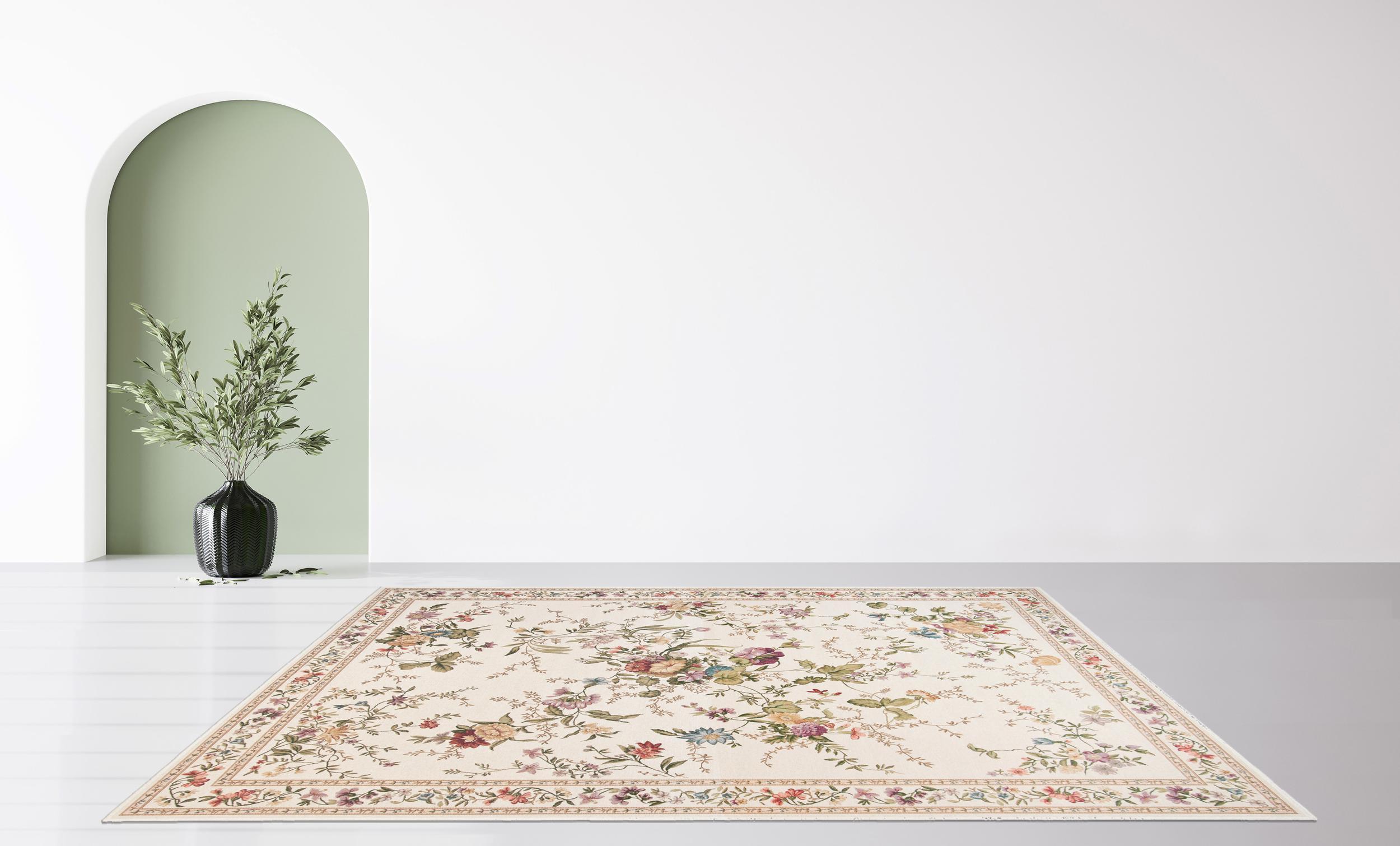
The look is sharp. Patterns appear crisp, color gradients stay controlled, and graphic designs unfold their impact with full clarity. Where high pile softly blurs, low pile commits to precision. That makes it the first choice for rooms where order should also be visually tangible.
Which Materials Define Low-Pile Rugs?
Polypropylene dominates in easy-care models. The material is robust, stain-resistant, and suits households with kids or pets. Wool brings natural warmth and a feel that becomes denser with each year. Viscose creates silky sheen and makes colors glow more intensely, but asks for a bit more care in handling.
Cotton remains the straightforward choice for entryways or kitchens. It often goes in the washing machine and forgives frequent cleaning. Blended fabrics combine the strengths of multiple fibers and create rugs that stay visually sophisticated while holding up in everyday use.
Low-Pile Rugs for Different Living Spaces
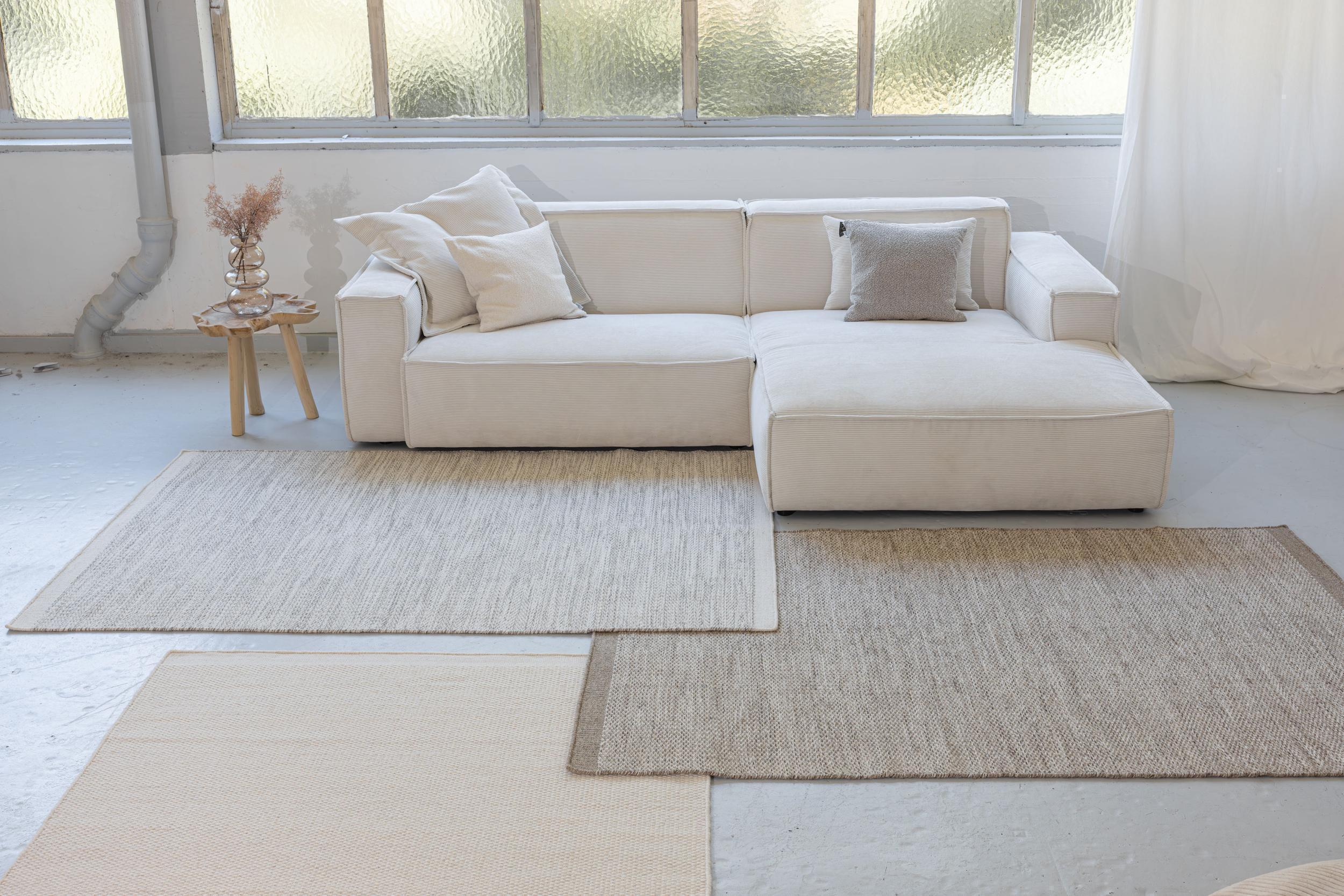
In the living room, a low-pile rug defines seating areas and gives sofa groups a firm frame. Geometric patterns or color gradients create accents that structure the room instead of overloading it. In the dining room, the smooth surface ensures chair legs move effortlessly and spilled liquids wipe up quickly.
In hallways and entryways, low pile withstands dirt and cleans up fast. The flat construction prevents tripping hazards and makes opening doors easier. In bedrooms, low-pile wool brings pleasant warmth underfoot but stays subtle enough not to disturb the room's calm. In Swiss heritage apartments with parquet floors, a low-pile rug protects the surface from scratches, while in rental units it stays flexible and removes without residue when you move out.
How Low-Pile Rugs Complete Design Styles
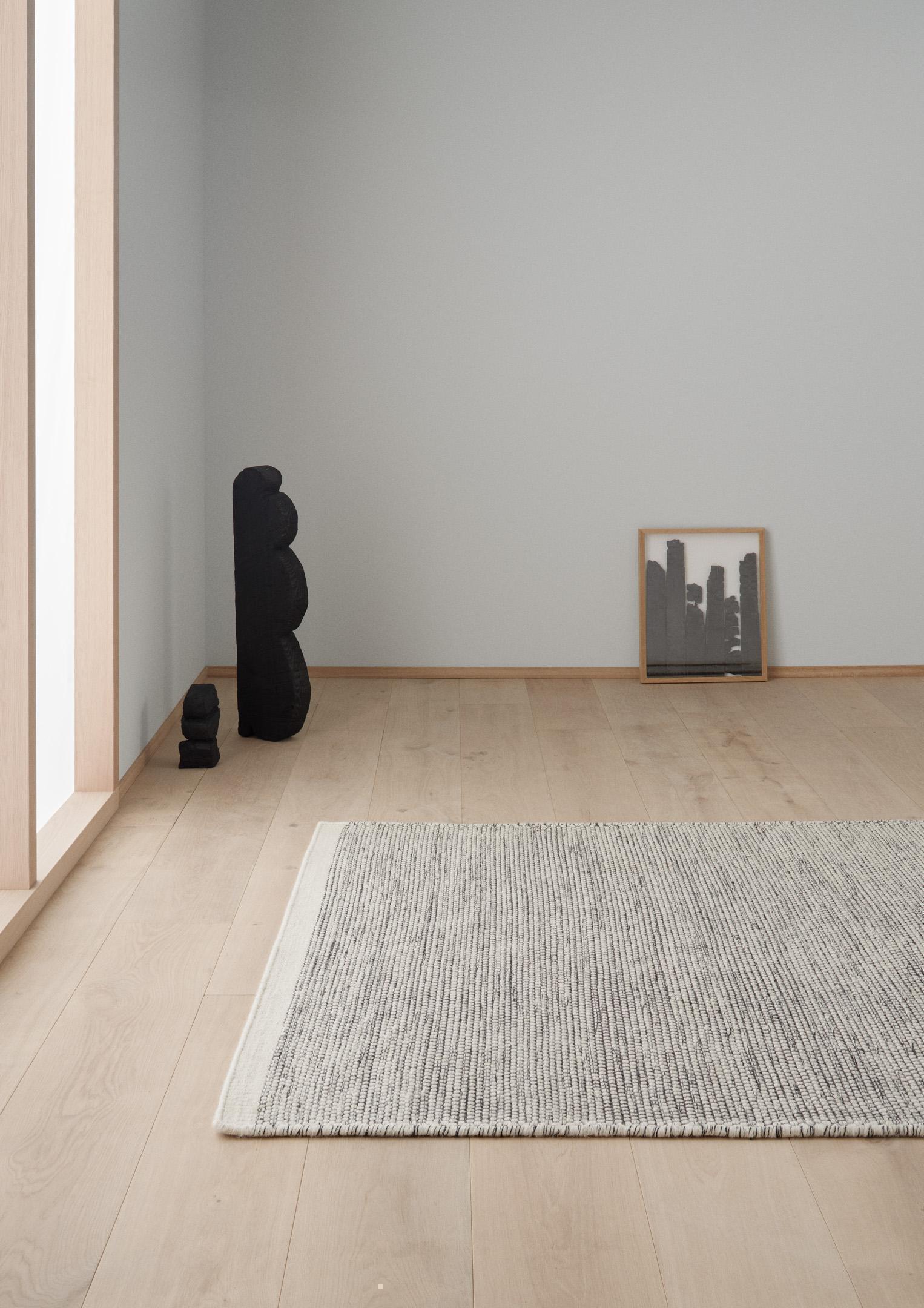
Scandinavian interiors benefit from the restraint of a low-pile rug. Light natural tones, clean lines, and simple patterns fit into the reduced aesthetic. Brands like Linie Design from Denmark focus on natural materials and timeless forms that gain character over the years. benuta ESSENTIALS delivers geometric designs that work in modern contexts, while Tom Tailor offers color-intensive models for rooms that can handle more energy.
In modern spaces with concrete floors or parquet surfaces, a low-pile rug creates contrast. Dark tones or graphic patterns break up the coolness and define zones within open floor plans. In classic interiors, traditional designs maintain elegance while the easy-care surface simplifies daily life. In mountain regions or rural Swiss living situations, a low-pile wool rug brings grounding and natural warmth that holds up well in cooler temperatures.
Care That Takes Minutes
The practical benefits of low pile extend naturally to maintenance. Low-pile rugs clean with a vacuum in a few passes. The short fibers release dirt easily, and even stubborn crumbs stay on the surface. With stains, a damp cloth with mild soap often suffices to protect the material and preserve the colors.
If you want to play it safe, vacuum in the direction of the pile and avoid brush attachments with hard bristles. For rugs made of wool or viscose, occasional shaking in fresh air helps. That keeps the structure intact, and the rug maintains its shape even after years of intensive use.
