


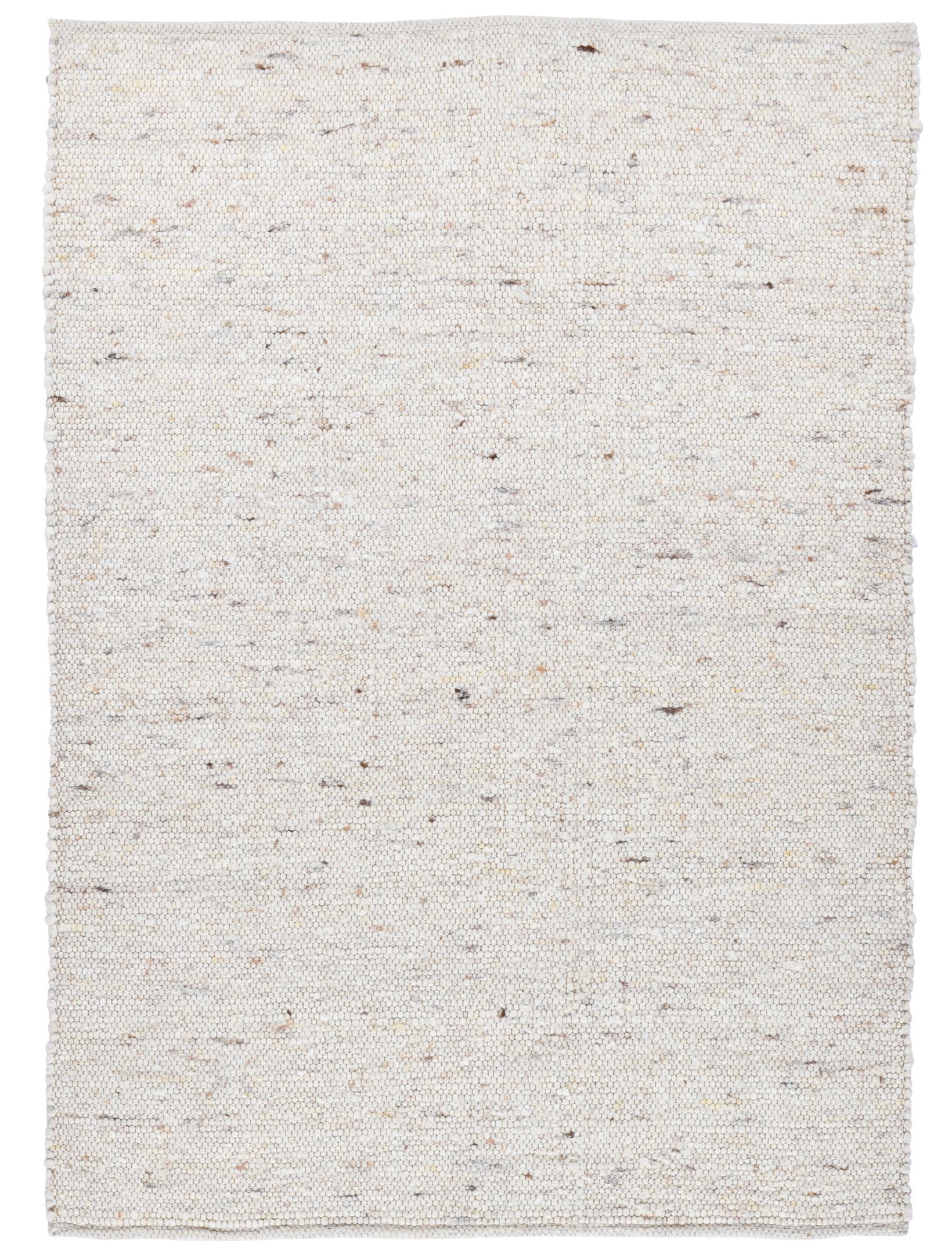


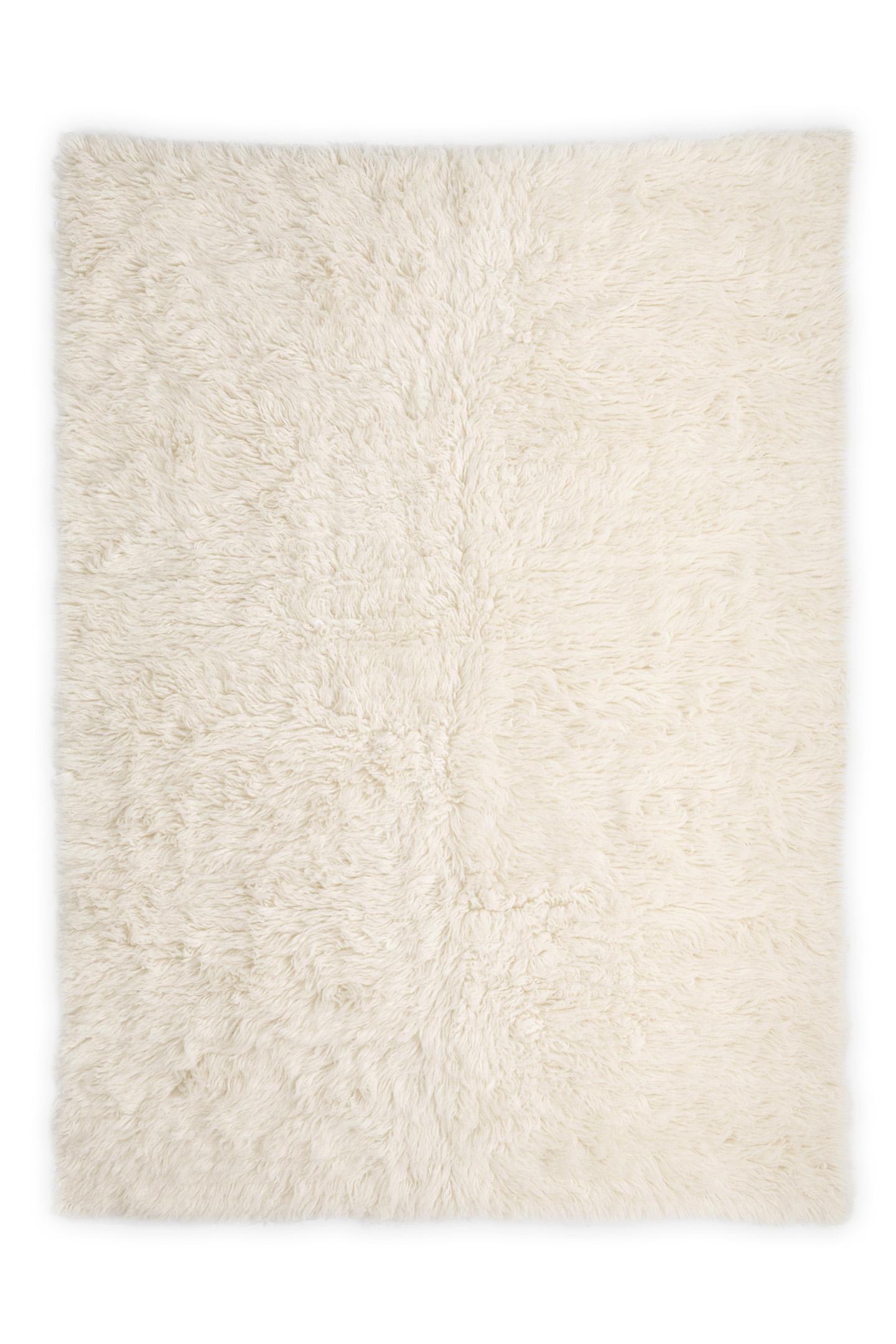


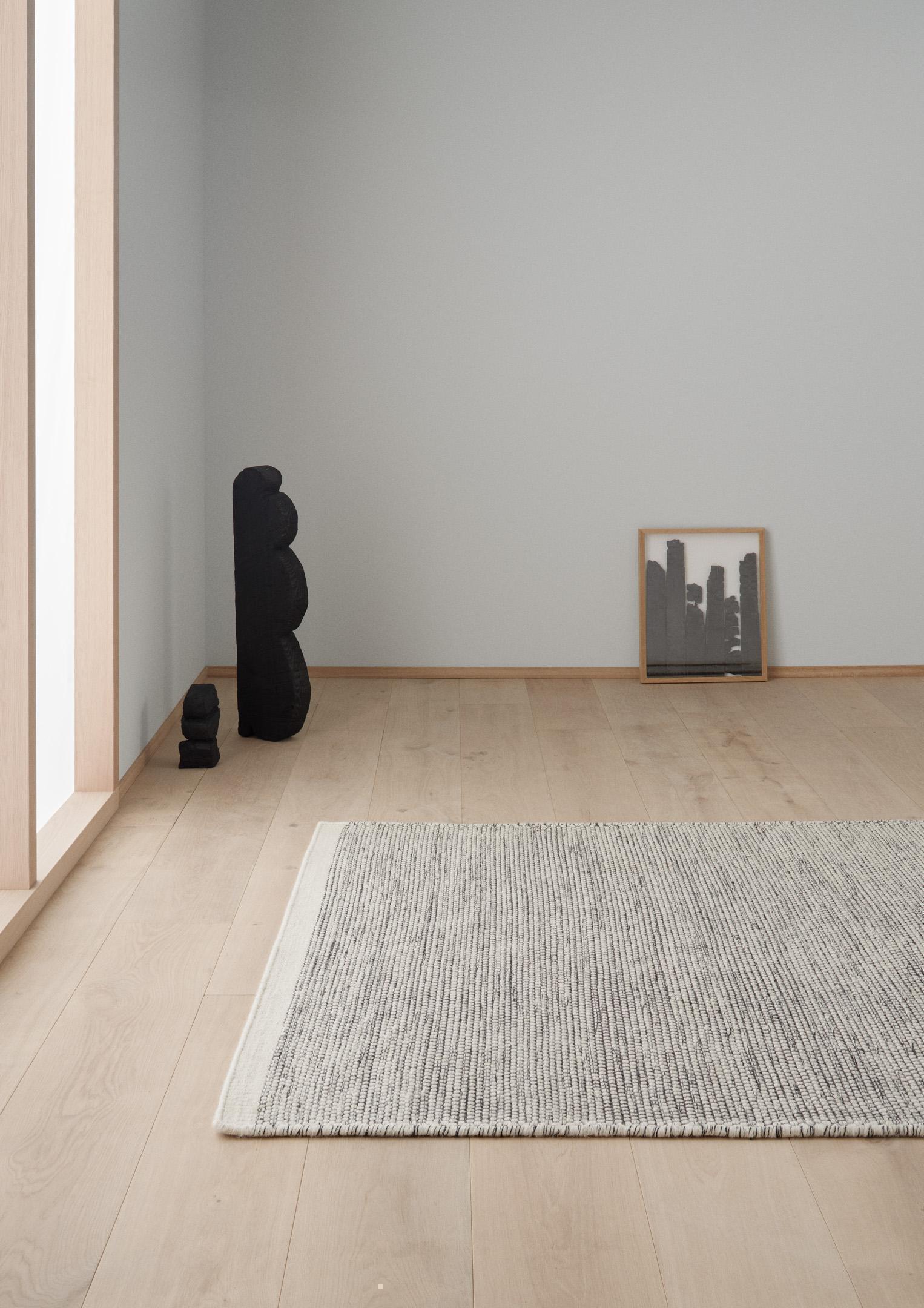


Natural Fiber Rug: real materials instead of plastic underfoot
A rug made from natural fiber brings genuine nature into your home: sisal, jute, wool or cotton instead of synthetic material underfoot. Those who live consciously notice the difference straight away. The surface feels natural, the room appears warmer and calmer, and you know exactly what you are placing in your living room.
Natural fibers are hygroscopic. This means the fiber absorbs moisture from humid air and releases it again when the air is dry. The result is a pleasant, healthy indoor climate. Add to that good impact sound insulation and antistatic behavior. And because many of these fibers grow free of harmful substances, you get a chemical-free rug in your home, completely without the smell of plastic.
Natural fibers compared: sisal, jute, wool and cotton
The most important question upfront: which fiber suits your everyday life? Here are the four common materials side by side, so you can make a quick decision.
- Sisal rug: Sisal is obtained from the leaves of the sisal agave. The fiber is robust, hard-wearing and dirt-resistant, though hard and rough to the touch. Sisal typically grows without fertilizers or pesticides, making it free of harmful substances. Ideal for areas that need to withstand a lot.
- Jute rug: Jute comes from the stalks of the jute plant, is strong, durable and biodegradable. Due to its thicker weave, it feels softer than sisal. However, jute is sensitive to moisture and needs to stay dry.
- Wool rug: Wool comes from sheep and is warm, insulating and moisture-absorbing. The natural lanolin content surrounds the fiber like a protective layer, making it harder for dirt to penetrate into the fiber's interior. Elastic, breathable and long-lasting, as well as pleasantly soft underfoot.
- Cotton rug: Cotton is a plant-based fiber, soft and uncomplicated. It is suitable for lighter rugs that you want to use flexibly in everyday life.
In short: sisal stands for robustness, wool for warmth and softness, jute for the natural boho look in dry rooms, and cotton for effortless lightness.
Which fiber for which room: the right natural fiber rug
Not every fiber belongs in every room. These examples will help you find the right choice quickly.
Hallway: sisal rug as a runner
The hallway is constantly walked through, so durability is key. A sisal rug as a runner in 80x300 cm can withstand a great deal and stays dirt-resistant. You can often remove coarse soiling from the structured surface with a cork block by pressing and rubbing firmly over the area.
Bedroom: wool rug for warm feet
In the bedroom you want to step onto something warm in the morning. A wool rug as a bedroom rug stays pleasantly warm underfoot and naturally repels dirt thanks to lanolin. For the entire bed to stand on the rug, it should extend approximately 40 to 50 cm on each side.
Living room: jute rug in the boho look
A jute rug fits perfectly into the Scandi or boho look and gives the living room a natural, warm foundation. Important: jute belongs in a dry room, well away from the damp kitchen. In the living room it feels noticeably more at home.
Layering: large and flat combined with soft
In large rooms, combining rugs works particularly well. Lay a large, flat jute rug as a base and place a smaller, softer wool rug on top. This way you get coverage and a cozy zone in one.
Dry cleaning as rule number one: keeping your rug looking great
The central care rule for natural fibers is: never soak them. Sisal, jute, linen and coir change their dimensions and color when wet, which can lead to waving, shrinking and water stains. Spray extraction is therefore not recommended.
- Vacuum regularly. With sisal, use no brush or beater attachment, to protect the fibers.
- Blot stains immediately from the outside inward with a clean, absorbent cloth, never rub. Rubbing only pushes the stain deeper into the fiber.
- If using cleaning agents, use only pH-neutral products and test for colorfastness on an inconspicuous area first.
- Let candle wax cool first, then place a blotting sheet on top and run an iron over it on the lowest setting.
- A thorough deep clean is best left to a professional, because natural fibers must not be soaked.
For jute, dry cleaning only is recommended; in dining areas, protective mats can help. A slight new-rug odor from a fresh rug dissipates on its own after a short time with regular airing.
Natural fiber rug and a healthy indoor climate: what the fiber can really do
The greatest advantage lies in the indoor climate. Because natural fibers are hygroscopic, they continuously balance the humidity in the room. Sisal weave also contains air pockets that retain heat well. Textile floor coverings additionally help to reduce the concentration of fine dust particles in indoor air.
On the question of allergies, a more nuanced view is worthwhile: sisal is considered low in allergens and is harmless for most people. With other fibers, individual reactions can occasionally occur, so a blanket statement about all natural fibers is out of place. Those with sensitivities generally fare well with a sisal rug grown free of harmful substances.
Robust enough for families and pets?
The most common concern: can the material withstand everyday life with children and animals? With the robust fibers, the answer is clearly yes. Sisal is tensile-strong and dirt-resistant, coir and sisal remain dimensionally stable for years with regular care. Wool scores with its lanolin protection, which makes dirt less likely to adhere, and is therefore easier to keep clean than synthetic fibers.
What you should keep in mind: natural fibers do not like standing moisture. In a household with children and pets, you play to your strengths when stains are blotted quickly and never rubbed in. For zones with heavy moisture exposure, a sensitive jute rug is the wrong choice, while a robust sisal rug in the hallway is exactly right.
Sustainability and disposal: why a natural rug thinks ahead
Natural rugs are made from renewable raw materials. Jute is biodegradable, sisal grows without chemicals, and wool is shorn every spring. At the end of its life, a sustainable rug made from pure natural fiber can be disposed of far more easily than a synthetic rug.
Longevity is also part of sustainability. A well-maintained sisal rug lasts approximately 5 to 10 years depending on use, and high-quality wool rugs, with good care, even for many decades. What lasts a long time needs to be replaced less often.
Size and ordering at Homerugs
The right size plays a decisive role in the overall effect. A few rules of thumb:
- Living room: Standard sizes are 140x200 cm or 160x230 cm. The rug should be at least as wide as the sofa, ideally around 20 cm wider.
- Under the sofa: The rug should extend 10 to 20 cm under the sofa. If the sofa is to stand entirely on it, plan for around 40 to 60 cm more in length.
- Dining room: At least 75 cm from the table edge to the rug's edge, so that a pulled-back chair still remains on the rug.
- Bedroom: Around 40 to 50 cm of overhang on each side if the entire bed is to stand on it.
- Hallway: Common runner sizes are 70x200 cm, 80x250 cm or 80x300 cm.
Measure your room, choose your fiber based on use, and get started. Simply lay it out and enjoy.
