


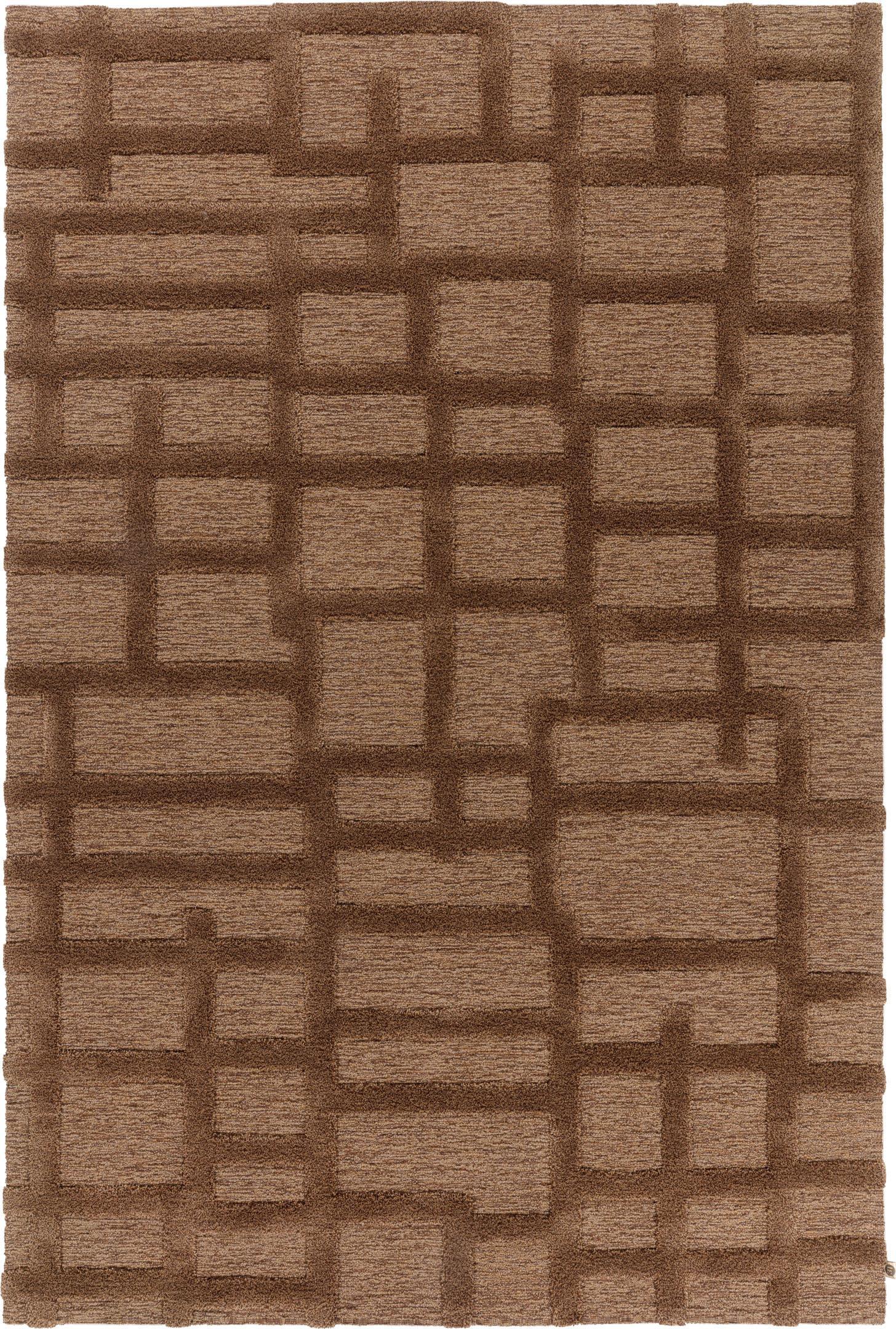


Bedroom Rug: the right size for your bed
In the bedroom, size determines almost everything. The bed is the largest piece of furniture in the room, and a rug that is too small quickly looks lost in front of it. One that is too large makes the room feel cramped. The good news: there is a simple rule. The bedroom rug should extend 60 to 90 cm beyond the sides and the foot of the bed. That way your feet land safely on the soft surface when you get up, and the rug frames the sleeping area neatly.
The real benefit comes every morning and every evening: a warm, soft surface underfoot instead of a cold floor, a room that feels calmer and more sheltered, and a bed that sits visually in its place. Determine the size first, then material and care, and in that order you will make the right choice.
Placing a rug under the bed: full coverage, the one-third method, or two runners
When it comes to how the rug under the bed should be positioned, there are three tried-and-tested options. Which one fits depends on your room size and budget.
Full coverage: The bed stands completely on the rug, with enough overhang all around. This option looks the calmest and most generous, but requires a large piece. Example: a double bed of 180x200 cm on a 200x290 cm rug. You have plenty of overhang on the sides, and your feet will safely meet the soft surface when you get up.
One-third method: Only about one third of the rug lies under the bed, with the larger part extending toward the foot. This visually lengthens the bed and creates a highlight in small bedrooms without overcrowding the room. Ideal when a fully overhanging piece would make the room feel too tight.
Two runners: Instead of one large rug, you place two narrow runners of around 60 cm width each to the left and right of the bed. You have warm feet on both sides and save compared to one large piece. A practical solution when space at the foot of the bed is limited.
Sizes by bed: single bed, double bed, king-size
So you know exactly what to look for, here are the concrete reference values:
- Single bed: approximately 140x200 cm. This structures the area without overwhelming it.
- Double bed (180x200 cm): at least 240 cm wide so the rug has sufficient overhang. The optimal size is considered to be 200x290 to 200x300 cm.
- King-size bed: from 250x350 cm to 300x400 cm, so the rug extends harmoniously beyond the sides and the foot.
A point for orientation: with medium to large rugs, around 50 cm of floor surface should remain visible all around so the room does not feel overcrowded. So base the size not only on the bed, but also on the overall room.
Non-slip underlay and secure grip on smooth floors
On parquet, laminate, or tiles, a rug next to the bed can slip, especially when getting up quickly. A non-slip underlay solves this. It prevents slipping and rippling, and also dampens footstep noise.
The trick when cutting: cut the underlay 1 to 2 cm smaller than the rug. This way it remains invisible from the outside and the edge still lies neatly flat. Example: parquet floor next to the bed, rug 200x290 cm, underlay approximately 197x287 cm, and the piece stays firmly in place.
Material for a soft rug: wool, viscose, cotton compared
In the bedroom, what matters most is the feel underfoot on bare feet. Three materials lead the selection.
Wool: warm and cozy
A wool rug acts as a good thermal insulator, which you feel directly underfoot. Wool absorbs moisture and releases it again, which maintains a balanced bedroom climate. It is anti-static and therefore attracts less dust, and its fibers spring back from pressure marks left by bed legs because they stretch and then contract again. Well cared for, a wool rug lasts several decades. Pure new wool rugs score here with natural sound absorption and calm the room acoustics. A note: new wool rugs may shed initially; remove these fibers by hand rather than with a vacuum cleaner.
Viscose: silky and soft
Viscose feels particularly soft due to its fine spinning and dense weave, and has a silky sheen. It is less elastic and less temperature-regulating than cotton and is therefore well suited to rooms with low foot traffic, exactly like the bedroom. Viscose hardly sheds and is therefore a good choice for allergy sufferers or households with pets. Protect the material from direct sunlight, otherwise it may fade.
Cotton: lightweight and easy to care for
Cotton absorbs moisture and has a temperature-regulating effect, similar to wool, but is lighter in weight. In smaller sizes, cotton rugs can often be machine washed without any problem. In short: in the bedroom, wool scores with coziness, cotton with softness and simple care.
If you prefer a particularly cushiony feel underfoot, a high pile rug next to the bed is a good choice, as a longer and denser pile absorbs more sound and feels softer. Those with allergies tend to opt for low pile options, more on that in the questions below. These rules also apply if you are planning a living room rug at the same time; in the living area it simply needs to be more durable.
Caring for your bedroom rug: vacuuming routine and stain help
A bedroom rug is subjected to less wear than one in the living or dining area, so care is correspondingly relaxed. Vacuuming thoroughly once a week is generally sufficient.
- Low pile: use a brush vacuum that loosens deep-seated dirt from the pile.
- High and long pile: use a smooth floor nozzle without a rotating brush so no fibers are loosened.
- Allergy sufferers: a HEPA filter on the vacuum cleaner retains the smallest dust particles.
For wool rugs: do not use soap or dish soap, as this can permanently damage the material. Treat stains on viscose with diluted dish soap, glass cleaner, or white wine vinegar. A thorough deep clean is advisable every six to twelve months to every one to three years, depending on use.
Common mistakes with rug size and how to avoid them
The classic mistake: the rug only lies under half the bed. Then feet miss the soft surface when getting up and the whole purpose is lost. Either go full coverage, consistently apply the one-third method, or use two runners.
Second mistake: buying too large. In a small bedroom, an oversized rug makes the room feel more cramped. Measure the room, keep visible floor surface all around, and plan from the bed outward.
On shape: rectangular rugs harmonize better with the rectangular bed due to their matching form. A round rug stands out more and sets a deliberate accent, for example in a reading corner next to the bed. When buying, pay attention to sustainable rugs made from natural fibers if longevity and indoor climate matter to you. Then the piece will lie well for many years.
