






Buying a rug from a Swiss specialist: what matters
If you want to buy a rug, it is usually about more than a beautiful piece of floor. A rug makes a room warmer, dampens sound, protects the floor and defines zones. No renovation, no tradesperson, no waiting time: lay it down and the room immediately feels calmer and more inviting.
Homerugs is the digital project of the Swiss Khodrahm family, that is father, Negin and Ramin. The family has been running the well-known luxury rug house Negra Carpet & Home with its flagship store in Zurich for decades. The idea behind it is simple: to make high-quality, modern and Scandinavian rug designs available online at fair prices, with the same expertise as in a specialist store.
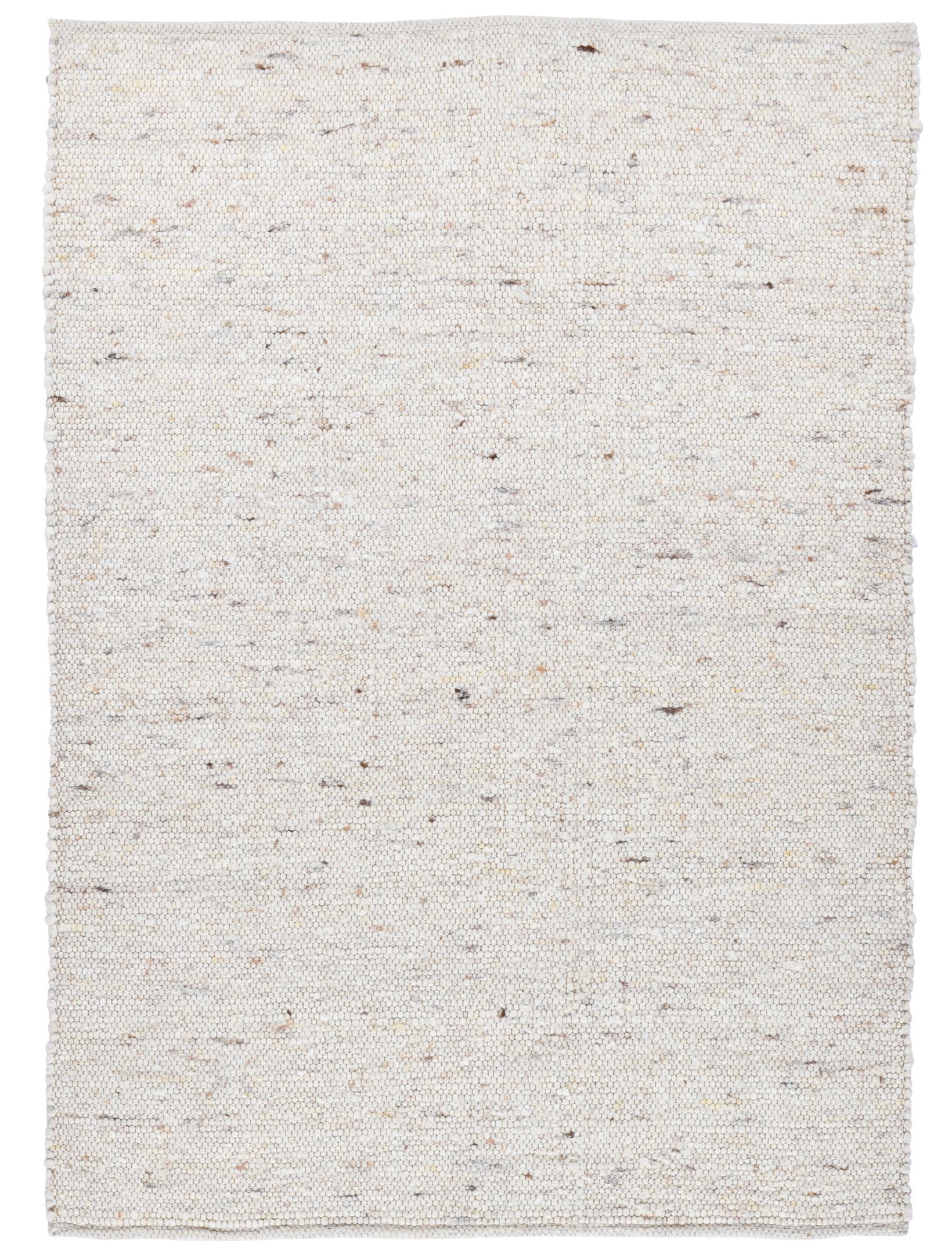
That is exactly what makes the difference when buying a rug. You get hand-woven and hand-knotted collections as well as vintage one-of-a-kind pieces instead of cheap mass-produced goods. The most important purchasing factors always remain the same: use, material, size, care, design and a price justified by durability. This page goes through them one by one so you can decide with confidence.
We know the most common pain points: the rug is bought too small because the dimensions are misjudged. It looks different in the store than at home. The choice feels overwhelming, and the fear of stains puts off the decision. For each of these points you will find a clear answer here.
Material matters: wool rugs, natural fibers and synthetics compared
The material determines how your rug feels, how it ages and how much care it needs. Broadly, you can divide them into three groups: wool, other natural fibers and synthetics.
Wool rugs: warm, robust and self-cleaning
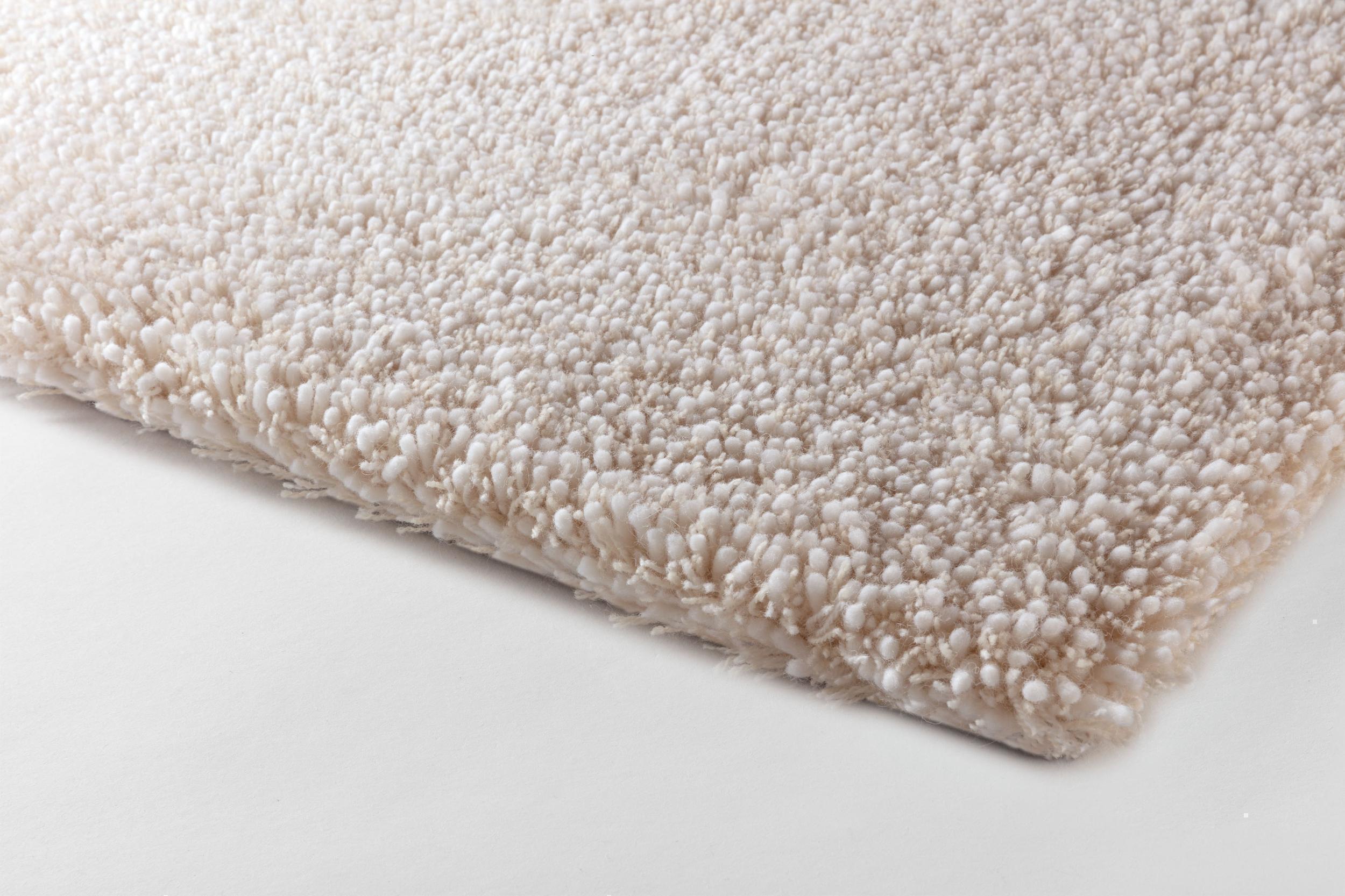
Wool contains natural wool fat, lanolin. It makes the fibers resistant to dirt and water, so grime does not work its way in as deeply. Wool absorbs moisture from the air and releases it again, thereby regulating the indoor climate. It is insulating, feels warm and soft, dampens footfall noise and is naturally difficult to ignite. Virgin wool is even used in places where strict fire protection regulations apply, such as passenger aircraft.
Wool rugs develop a patina over the years and remain soft for a long time. A practical example: a rug made from Himalayan virgin wool with a high lanolin content in the living room regulates humidity and stays pleasant underfoot, in summer as well as in winter. The high lanolin content results from the low temperatures and harsh weather conditions in the Himalayas and enhances resistance to dirt and water. Rule of thumb: the longer the fiber, the staple length, the higher the quality of the yarn.
Please note: wool is unsuitable for permanently damp rooms such as the bathroom, as the material will deteriorate. In rarely used rooms you should protect wool rugs from moth damage.
Cotton and sisal: light and natural
Cotton also absorbs moisture, has a thermo-regulating effect and is lighter than wool. It is hard-wearing and suitable for use all year round. Sisal has a rough texture and feels scratchy against the skin, but is considered difficult to ignite and resistant to moths, which is why it is also found in heavily frequented retail spaces. Natural fiber rugs are biodegradable and help to absorb excess room humidity and release it again.
Synthetics: easy to care for and colorfast
Polypropylene, also known as olefin, is resistant to stains and similar to wool in terms of feel, which is why it often serves as an artificial wool substitute. It can usually be cleaned with just a vacuum cleaner. Inexpensive variants often last only a few years and are less suited to heavy use, while high-quality fibers are pre-treated and more durable. Polyester is tear-resistant, lightfast and colorfast, and absorbs little moisture. Polyacrylic feels soft and wool-like, is lightfast and resistant to moisture. Viscose barely sheds, making it interesting for allergy sufferers and households with pets, but it reacts sensitively to moisture.
In brief: wool delivers comfort, climate regulation and durability, but requires a little more consideration. Synthetic fibers such as polyester, acrylic or polypropylene are generally easier to clean than natural fibers. What suits best depends on the room and your daily life.
Fairly produced: what STEP and Care & Fair mean when buying a rug
At Homerugs the focus is on natural materials such as Himalayan virgin wool and on gentle dyeing processes. So that you can be sure when buying a rug that fair conditions stand behind the product, the collections are backed by two labels.
STEP is a fair trade label founded in 1995 by the Swiss aid organizations Bread for All, Caritas and Swissaid. STEP monitors licensed traders through local, independent and unannounced inspections in the most important production countries, including India, Nepal, Pakistan, Iran, Morocco, Armenia and Turkey. The standard covers up to 90 criteria that must be met or progressively achieved.
Care & Fair was founded in 1994 by rug importers as an industry-related initiative against child labor. Today the initiative counts around 450 member companies worldwide and supports education and health projects in India, Nepal and Pakistan. Care & Fair responds to confirmed child labor with contract withdrawal.
For you this means: fair wages and the exclusion of child labor are transparently regulated when buying a rug, rather than merely claimed.
Buying rugs by room: living room, dining room, hallway, kids room
Every room places different demands. Anyone looking to buy rugs should first clarify the intended use.
Rug for the living room
Comfort is what counts here. A rug for the living room adds warmth, absorbs sound and pulls the seating area together into a single unit. High-pile rugs dampen sound significantly better than low-pile ones, because textile floors absorb particularly in the high frequency range between 2,000 and 4,000 Hz, while hard floors such as parquet or tiles reflect sound strongly. Wool is a good fit because it combines warmth and calm.
Dining room rugs
Under the dining table the rug is heavily stressed because chairs slide across it. An easy-care, dense material and a well-planned size are more important here than a high pile. Dining room rugs should be large enough that the chairs remain on the rug when pushed back.
Hallway runners
The hallway is the most heavily frequented zone. A robust hallway runner made from a hard-wearing material takes a lot of punishment and protects the floor. Pay attention to a non-slip fit, because rugs in passageways or with rolled-up edges are tripping hazards and should be secured with a non-slip underlay.
Kids room and bedroom rug
For the kids room, easy cleaning is key. A family with two children would do well to choose a short-pile rug here, because it is easier to clean than a high-pile one. The bedroom rug, on the other hand, is all about the first feeling underfoot in the morning: here it can be soft and warm. For a balcony or terrace, an outdoor rug is the right choice, as it withstands moisture and sun.
Finding the right size: wall clearance, front-legs rule and standard dimensions
The wrong size is the most common mistake when buying a rug. A rug that is too small makes a furniture arrangement look restless and like a random accessory. When in doubt: every rug looks smaller in a room than in the store, so choose the larger option.
- Living room: At least the front legs of the sofa and armchairs should rest on the rug so that a visual connection is created. The coffee table stands fully on the rug in every arrangement. For a living island where everything stands on the rug, you often need formats from around 300x400 cm.
- Wall clearance: Leave approximately 20 to 50 cm between the rug edge and the wall, depending on room size.
- Dining room: The rug should extend approximately 60 to 70 cm beyond the table edge on each side. Round rugs harmonize with a round dining table when their diameter exceeds the table by around 140 cm. A round rug under a round dining table with this dimension immediately looks cohesive.
- Hallway: Plan for approximately 10 to 20 cm clearance to the wall on both sides.
Standard sizes in retail include 140x200 cm, 160x230 cm, 200x300 cm and 250x300 cm, among others. The best trick against purchasing mistakes: the masking tape test. Tape out the planned dimensions, for example 200x300 cm, on the living room floor and look at the area with your furniture before you order. This shows risk-free whether the size works.
Everyday care: stains, vacuuming and what natural fibers need
Fear of maintenance is unfounded once you know a few rules. Compared to smooth floors, a rug actually significantly reduces fine dust in the room air because it binds dust rather than stirring it up with every step.
With fresh stains, dab immediately with a clean cloth without rubbing, so that nothing works its way into the fibers. Around 90 percent of all stains are water-soluble and can first be tested with warm water and a clean cloth. A classic scenario: a glass of red wine tips over at dinner. Treat the fresh stain immediately with sparkling water, whose carbonation loosens the stain. Warm water or soap are wrong for red wine because they fix the tannins and make the stain worse.
- Avoid rotating brushes on the vacuum cleaner as they can damage the fibers.
- Direct sunlight causes colors to fade over time.
- A faint new smell arises from rolling and wrapping and dissipates with airing.
- After a large-scale wet clean, do not step on the rug for at least 24 hours and ventilate the room thoroughly.
- Dirt-trapping mats at the entrance keep grime out of the living area.
Important with natural fibers: many stain tips found online apply only to synthetic rugs and can damage the fibers or colors of wool or other natural fibers. Wool binds dust through its fat content, so dirt does not penetrate as deeply. Synthetic fiber rugs made from polyester, acrylic or polypropylene are generally the easiest to care for in everyday use.
Ordering without customs risk: free shipping and 30-day return policy in Switzerland
Buying rugs online at Homerugs is clearly regulated for Switzerland. There is free shipping and a 30-day return policy. Returns go to a Swiss return address, with no customs risks and no hidden costs. Please note: you bear the cost of the return shipment yourself.
In this way, the shop combines the convenience of online shopping with the expertise and reliability of a traditional Swiss specialist store. You can check the rug at home in real light and with your furniture and return it within the deadline if it does not work out after all. This makes buying a rug a safe decision.
In short: first clarify the room and intended use, then choose material and size, and finally check at home. Taking time to think about a good rug pays off, because it will accompany you for many years.
