


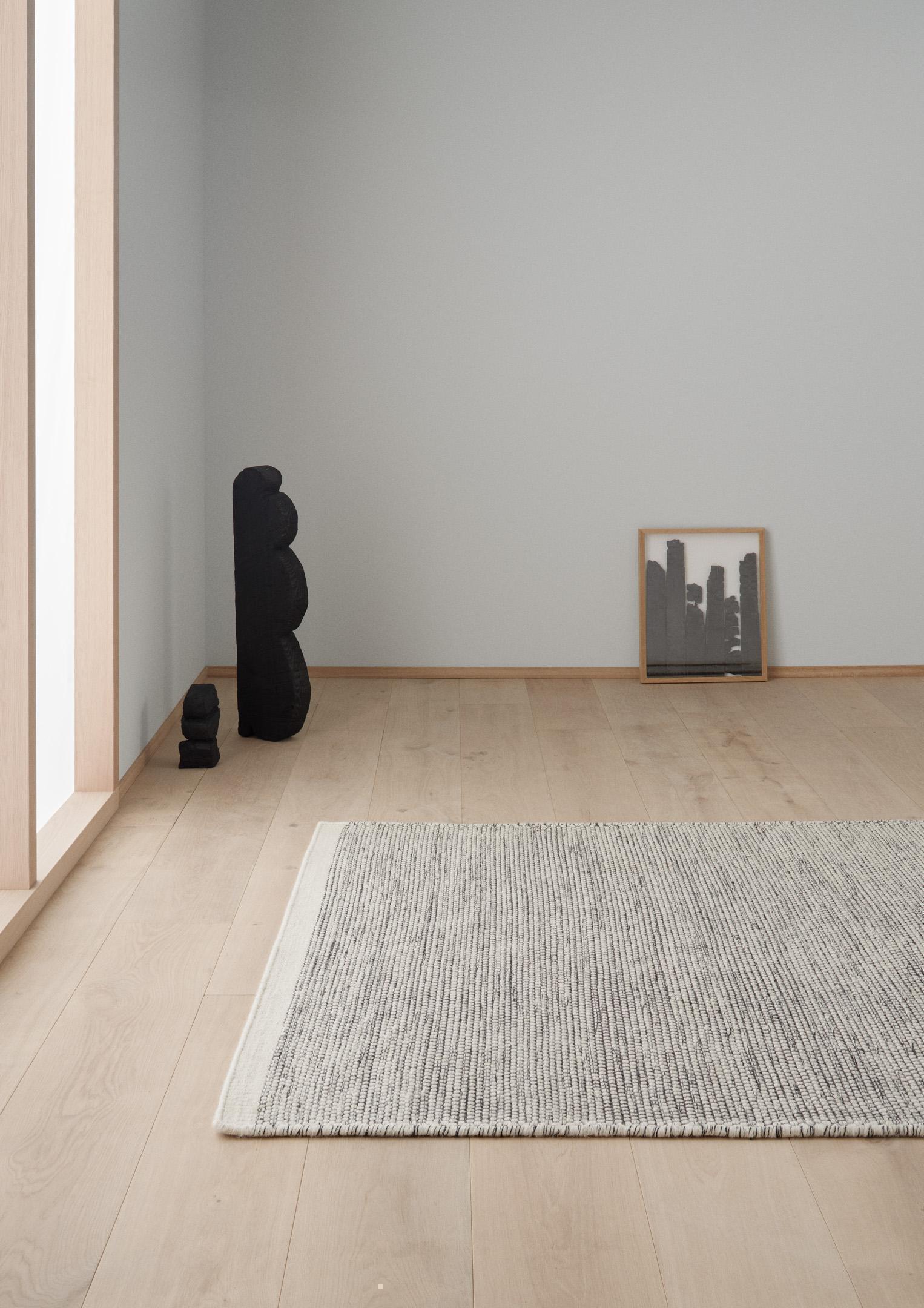


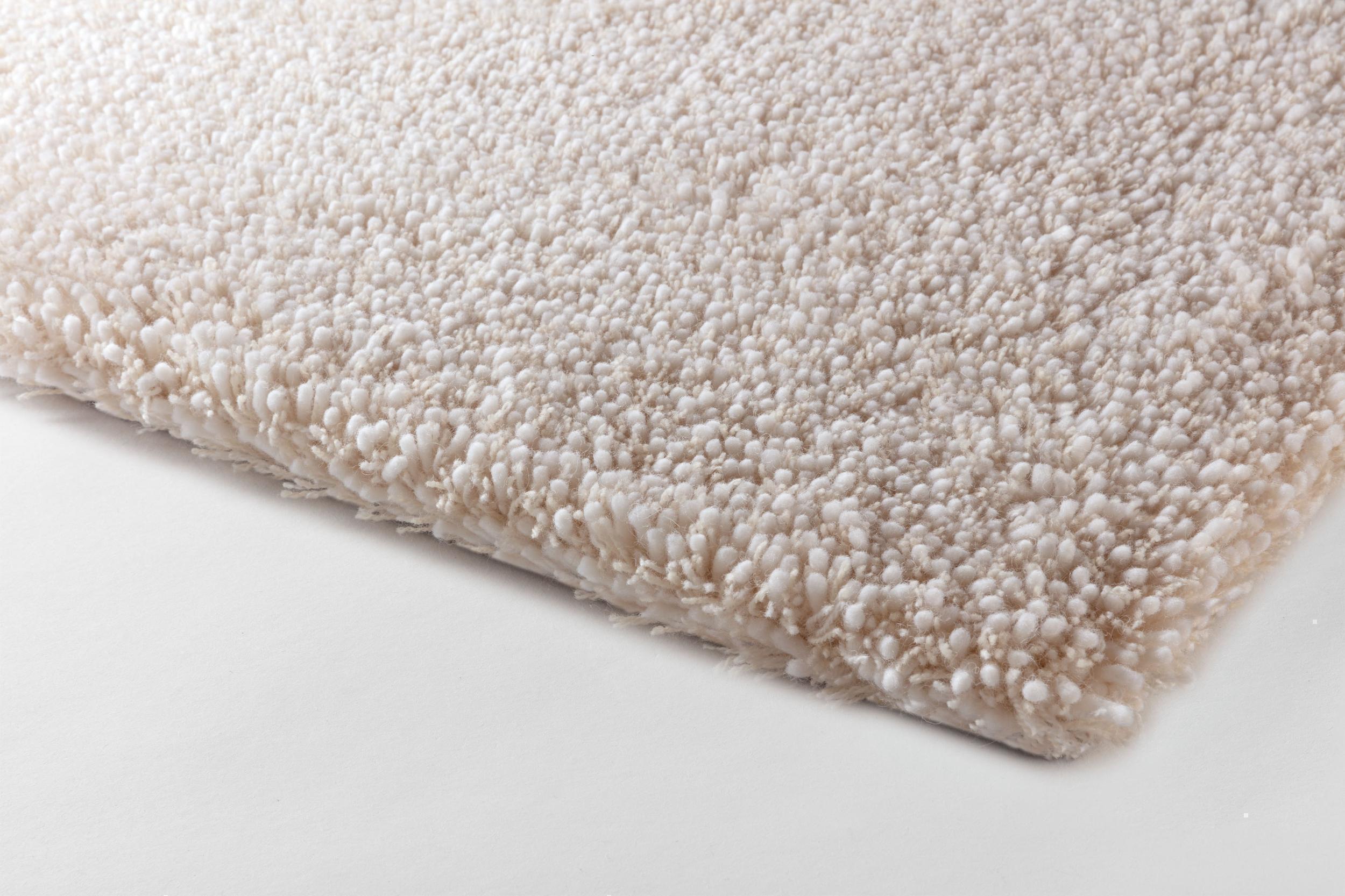


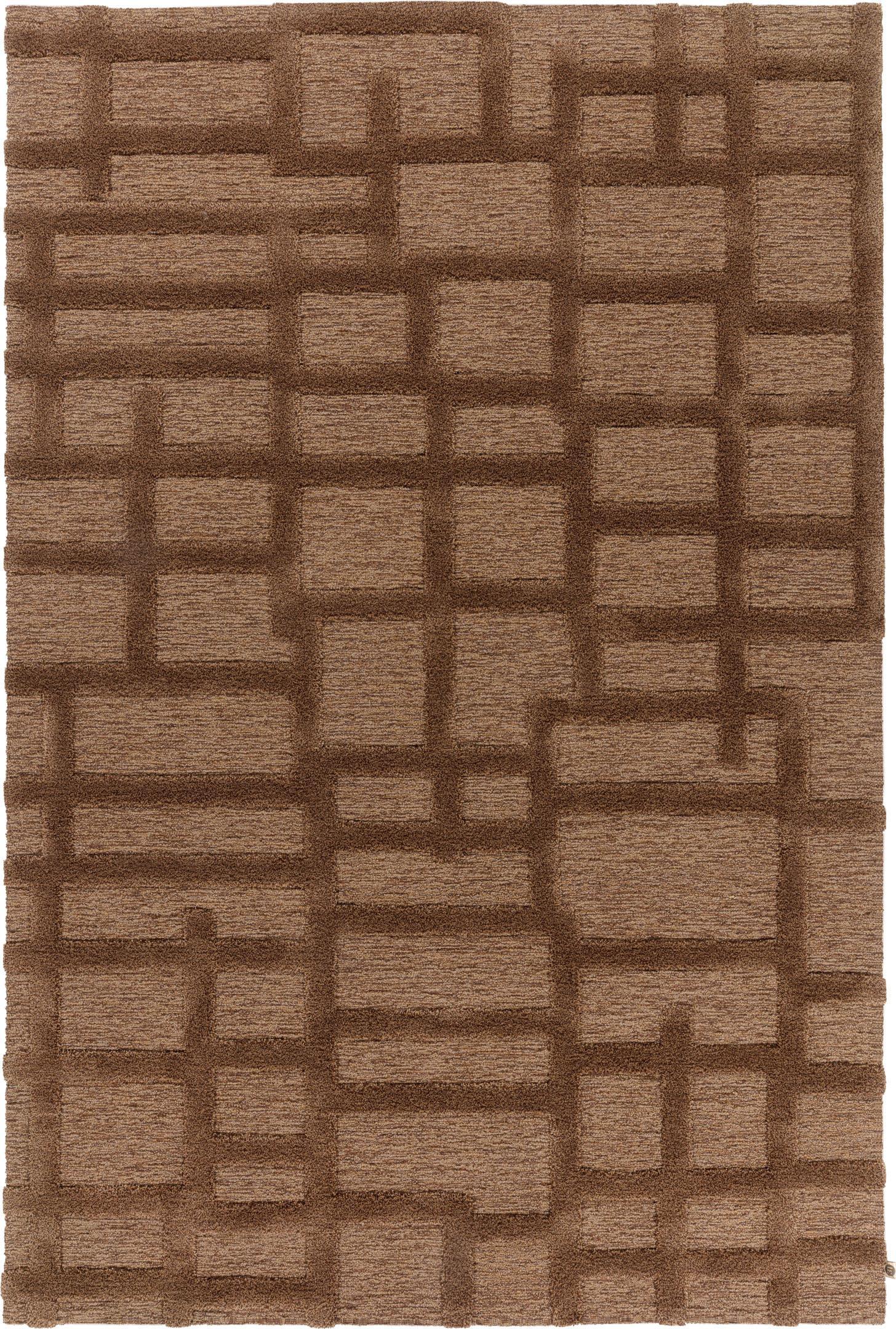


A rug runner makes narrow zones more homely, safer and visually well-organized. It protects the floor from scratches and shoe abrasion, cushions footsteps and brings warmth underfoot, right where there is heavy daily traffic: hallway, corridor, kitchen and entrance area. The key to success lies before the purchase: measure first, then order. When width, length and door clearance are right, the runner fits perfectly and works well in everyday life.
Measuring a rug runner correctly: checking width, length and door clearance
Before you choose a runner rug, you need three figures: the clear width of your walking zone, the available length and the gap between the door and the floor. For the length, a simple rule of thumb applies: measure the total dimension of the zone and subtract around 30 cm. This keeps floor visible at both ends, and the runner looks deliberately placed rather than squeezed up to the wall.
An example: for a corridor of 3.20 m in length, choose a 300 cm runner so that around 10 cm of floor remains free at each end. Common lengths are 200, 250 and 300 cm; for very long corridors there are also 350 cm pieces in one continuous length. Placing two shorter runners end to end rarely looks convincing and usually gives the impression of a makeshift solution. One continuous piece guides the eye and the feet cleanly through the space.
You should always check the door gap beforehand. An interior door with little clearance above the floor can catch on the edge of the rug when opened. From around 10 to 12 mm pile height it gets tight, so measure the door gap and compare it with the pile height of the runner.
Hallway runner: the right dimensions for narrow and wide corridors
With a hallway runner, the width determines the entire effect. Ten to 20 cm of floor should remain visible on each side, so the runner sits centered as intended.
- Narrow hallway under 1 m wide: a 60 to 70 cm wide hallway runner, with 10 to 20 cm of floor visible on each side.
- Wide corridor over 1.20 m: 90 to 100 cm is appropriate here, so the zone does not look too empty.
- Standard hallway: the 80 x 300 cm format is a classic and fits most straight corridors.
The typical width of a rug runner is 80 cm, though models up to 200 cm wide are also available. For narrow hallway rugs: slightly narrower is better than too wide, otherwise the runner swallows the entire floor and the space feels cramped.
Slip resistance: non-slip backing and underlay on smooth floors
The most common concern when buying: will the runner slip on tiles, laminate or parquet? A non-slip runner stays safely in place, regardless of the hard floor surface. Always look for a non-slip backing. For a corridor rug with heavy through-traffic, this is the most important safety criterion.
Runners with a non-slip backing coating are often sufficient on their own. For very thin runners or very smooth floors, an additional non-slip underlay is worthwhile. It should be slightly smaller than the runner; a gap of 1 to 2 cm from the edge is usually enough. This keeps the runner firmly in place and prevents anyone from tripping over the edges.
Placing a runner rug in the bedroom correctly
A bedroom runner is typically 70 to 80 cm wide and 200 to 400 cm long. Most commonly, the runner rug lies to the side of the bed, so that feet land directly on it when getting up. This is noticeably more pleasant in the morning than a cold floor.
The length should extend over most of the side of the bed and ideally project 15 to 30 cm beyond the head and foot ends. Those who want to cover both sides and the foot end can opt for the classic three-piece bed surround: two short runners to the left and right of the bed, and a longer one at the foot end.
Material in the everyday test: natural fiber versus synthetic
Which material best withstands everyday wear from shoes, moisture and pets? The answer depends on the location.
Natural fiber: wool, cotton, sisal
Wool offers maximum comfort and retains heat well. It can absorb up to 40% of its own weight in water, which promotes a natural indoor climate. New wool rugs tend to shed slightly at first, which diminishes with use. Cotton is easy to care for and suitable for allergy sufferers. Sisal is durable, eco-friendly and flat-woven, ideal for walking zones; however, it is sensitive to moisture: stains are difficult to remove and water can cause waves.
Synthetic: polypropylene and polyamide
Polypropylene is stain-resistant, moisture-resistant and affordable, but can build up static and feels less luxurious to the touch than natural fiber. Polyamide is considered even more hardwearing and is therefore frequently used in entrance areas and heavily used rooms. For hallway rugs with heavy traffic and outside moisture, synthetic is often the more practical choice.
Runner rug for underfloor heating: what to look out for
A rug runner can be combined with underfloor heating if a few conditions are met. Wool rugs are a good fit, as they have a comparatively low thermal resistance. A low to medium pile height is important, along with a construction that is not too densely knotted, so that heat can circulate.
The underside should be free of rubber or adhesive coatings, as these impede heat transfer. A useful guideline: the total thermal resistance of all floor coverings should not exceed 0.15 m²K/W. Whether a specific runner is suitable therefore depends on pile height and backing.
Care and cleaning: keeping the runner looking great for longer
Regular care determines how long the runner lasts. Vacuum the runner thoroughly at least once a week to remove loose dirt and dust. Treat stains immediately, before they dry in.
- Around 90% of all stains are water-soluble. It is worth trying a clean cloth with warm water first before reaching for cleaning products.
- A small runner up to a maximum of 80 x 150 cm can, depending on the material, be machine-washed on a delicate cycle without spin at 30 degrees.
- Do not use alkaline cleaners on wool; they damage the fibers.
- Avoid water contact with sisal as much as possible; stains are very difficult to remove here.
- Large, very valuable or natural fiber-based rugs are best taken to a professional cleaner.
Measure your zone, check the door gap and choose width, length and material to suit the location. That way you get a runner rug that lies securely, protects the floor and works reliably every day.
