
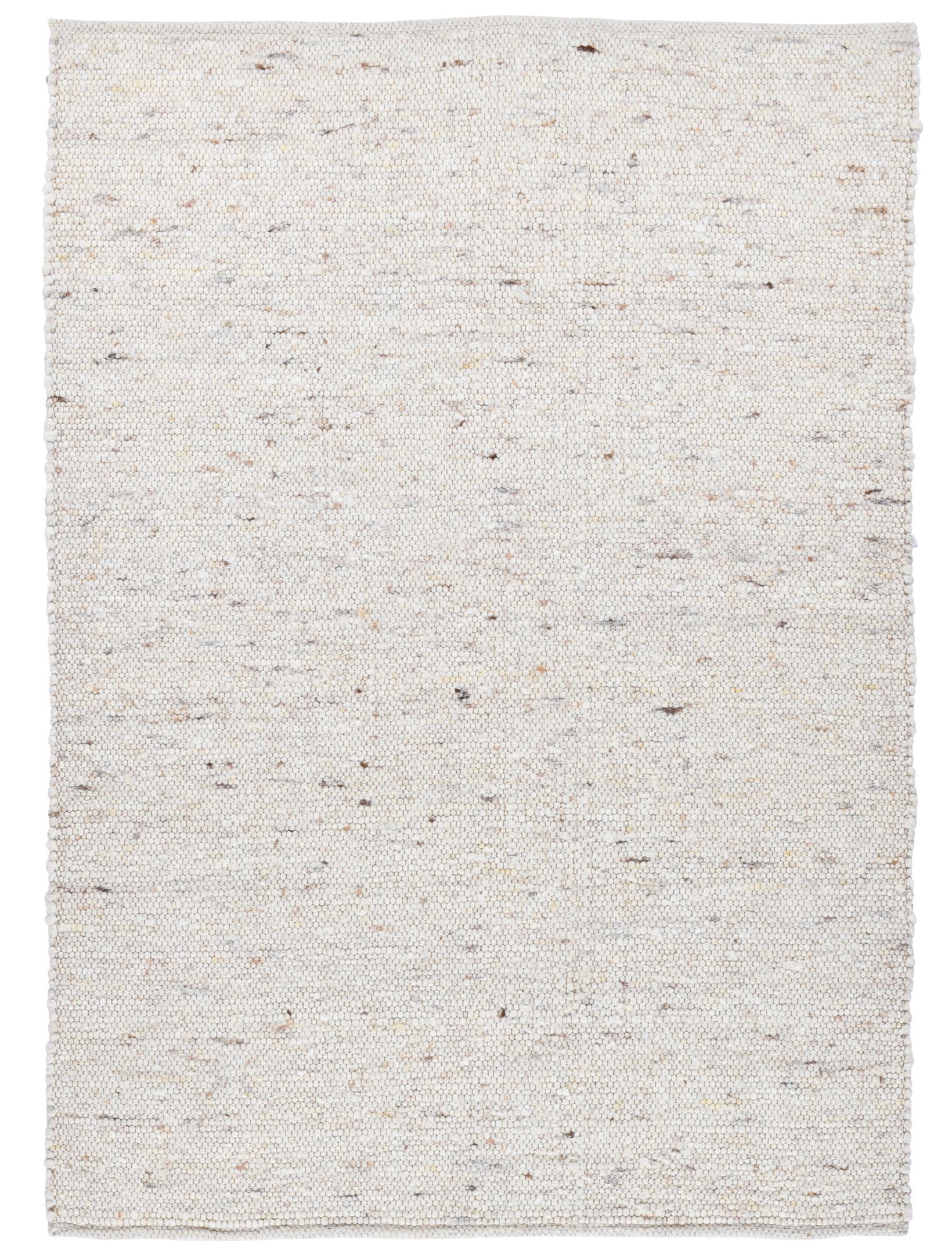


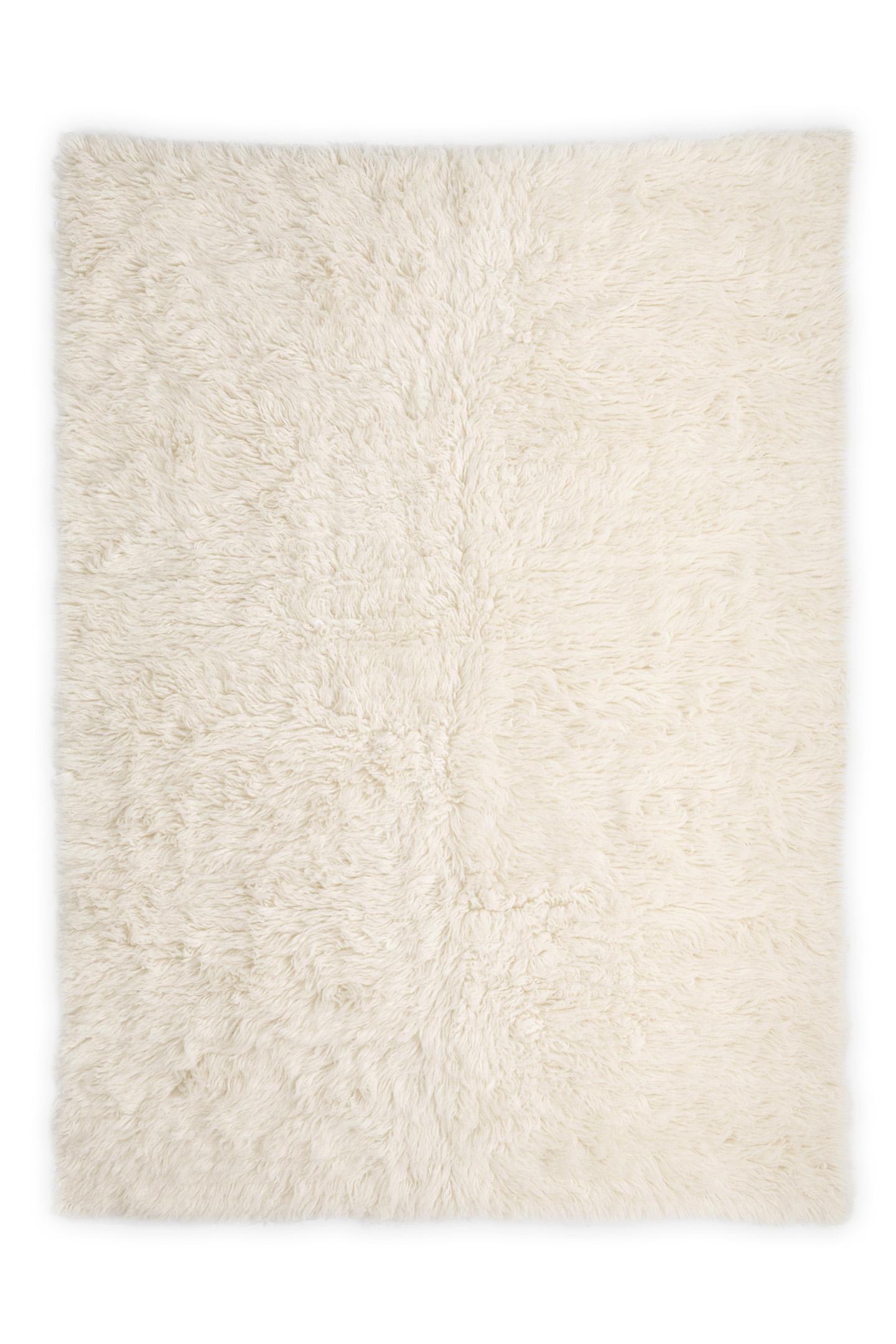


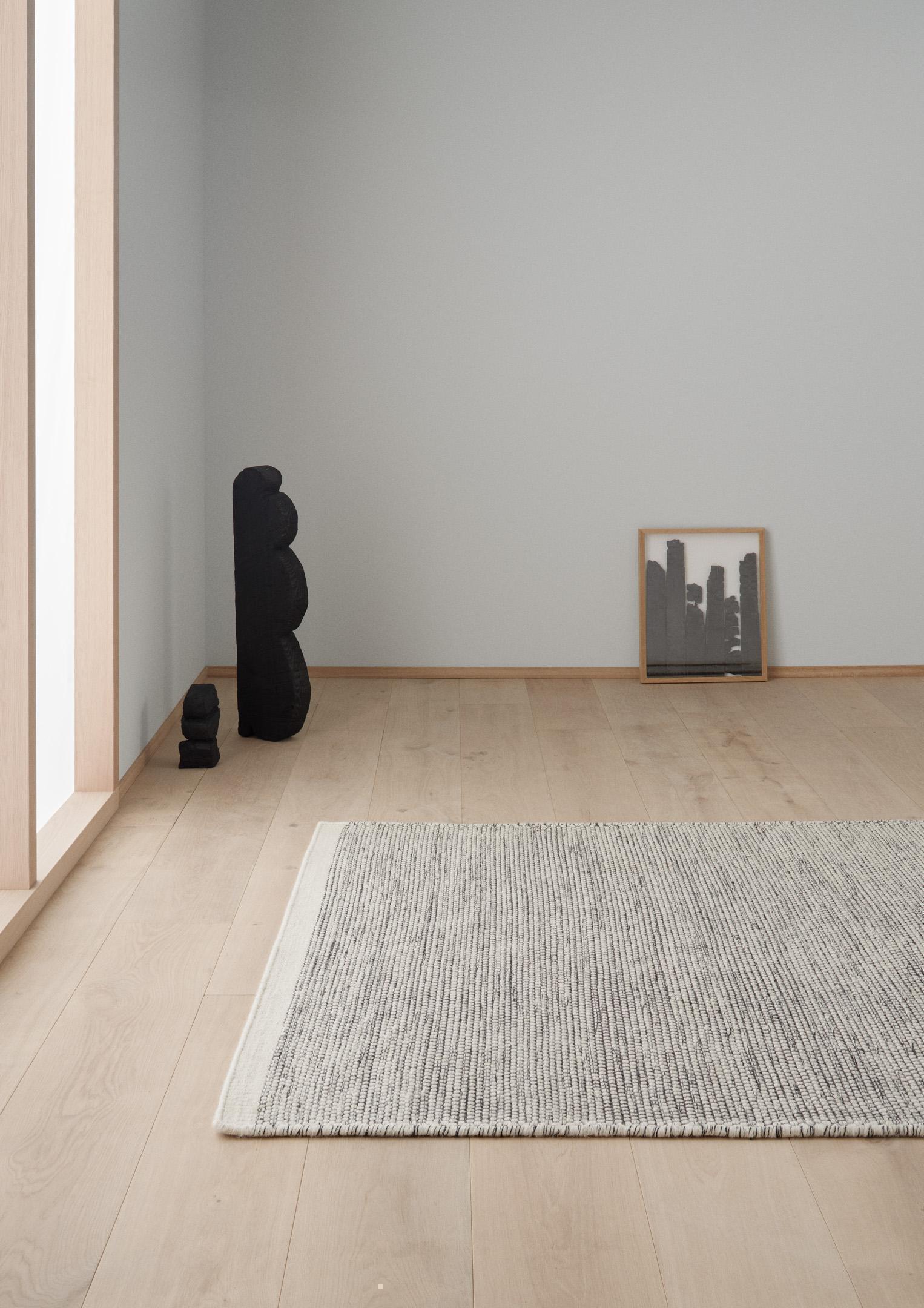


When your space demands structure
Modern rugs work through reduction. They bring order to open floor plans, divide living areas, and create visual anchor points without crowding the room. Clean lines that define zones. Colors that step back or set deliberate accents. Materials that are honest and face daily life head-on. A modern rug organizes your space without forcing decisions. It lets architecture breathe while giving you something solid to stand on.
At Homerugs you'll find modern rugs built for how people live today. Collections from studios that design function and form as one thing, not two. Pieces that hold their own next to concrete and timber, that work in lofts just as well as tight city apartments. They calm rooms when too much is happening, and show up when emptiness takes over. For homes you want to live in, not stage.
Color as a choice, not an accident
Modern rugs use color with intention. Gray in every shade creates a neutral base that works with changing furniture. Beige and sand tones warm minimalist rooms without visual dominance. Black sets contrast, especially in bright, generous spaces. If you want color, you'll find it in clear tones: rust red, petrol, mustard yellow, deep blue, often as geometric fields or restrained gradients. The palette is controlled, never random.
A modern rug in gray fits next to oak and concrete, next to leather and steel. A rug in rust red can give warmth to a neutral room without turning sentimental. Color follows room function: in work areas, monochrome calms; in living areas, color can bring energy. Modern rugs leave room for change because they support instead of staging.
Shape built around purpose
Modern rugs live through deliberate choices. Geometric patterns instead of floral ornament. Monochrome fields or controlled color blocks instead of pattern chaos. Surfaces that shift with light, through flat weave, relief texture, or velvet finish. A large-format rug can anchor a seating group, a narrow runner can structure a passage. The effect comes from proportion and where you place it.
Materials carry the look. Wool that balances temperature and absorbs sound. Viscose that brings silky shine. Recycled fibers that show conviction without shouting about it. Many modern rugs use flat weave or low pile because they don't bulk up under furniture and clean easily. Danish design studio Linie Design connects Scandinavian restraint with graphic precision. Swiss brand Jab Anstoetz builds modern collections for architects who think of rugs as spatial elements, not decoration.
Care that's part of normal life
Modern rugs are built for everyday. Flat weave and short pile vacuum easily without dirt settling in. Wool is naturally dirt-repellent and rarely needs more than occasional airing. Synthetic fibers like polypropylene or polyester are tough, colorfast, and suited to households with kids or pets. Treat stains immediately, from outside to inside, with cold water and mild cleaner. No hard-bristle brushes, no chemical overkill.
For rugs on underfloor heating: the material must let heat through. Flat weave and low piles work, high-pile or very dense rugs block warmth. Heat the floor slowly so the material can adjust. Modern rugs aren't precious objects, they hold up.
Size that shapes the room
A modern rug needs correct placement so the room holds together. Too-small formats disappear, too-large ones crush the architecture. In living areas a rug works when at least the front furniture legs stand on it. In dining areas it must be large enough that pulled-out chairs stay on the surface. These decisions create visual calm and make the room feel larger instead of chopping it up.
Runners suit hallways and passages when they're at least 80 cm wide. A round rug needs breathing space or it looks squeezed. Modern rugs work with clean edges, so wrong placement shows faster.
