











Why Ethno rugs work in spaces that need weight
An Ethno Style rug gives a room gravity. Patterns rooted in tribal textiles, Berber symbols or Kilim tradition bring a visual language that doesn't sound smoothed over. The designs carry a cultural fingerprint that feels like you found something with a past, yet it stays firmly in the present. Terracotta, indigo, sand beige, rust red. Colors that don't shout but settle in. An Ethno rug grounds minimalist interiors and gives mixed-style spaces an anchor point that holds.
When you choose an Ethno Style rug, you're adding something that feels close. The patterns are often asymmetric, the structures thought through by hand. Geometric repetitions that don't aim for perfection. A rug in Ethno style fits with wooden furniture just as well as with concrete, with rattan just as well as with steel. It connects the here with the elsewhere and makes your space look like it has a stance.
Materials and craft you can feel
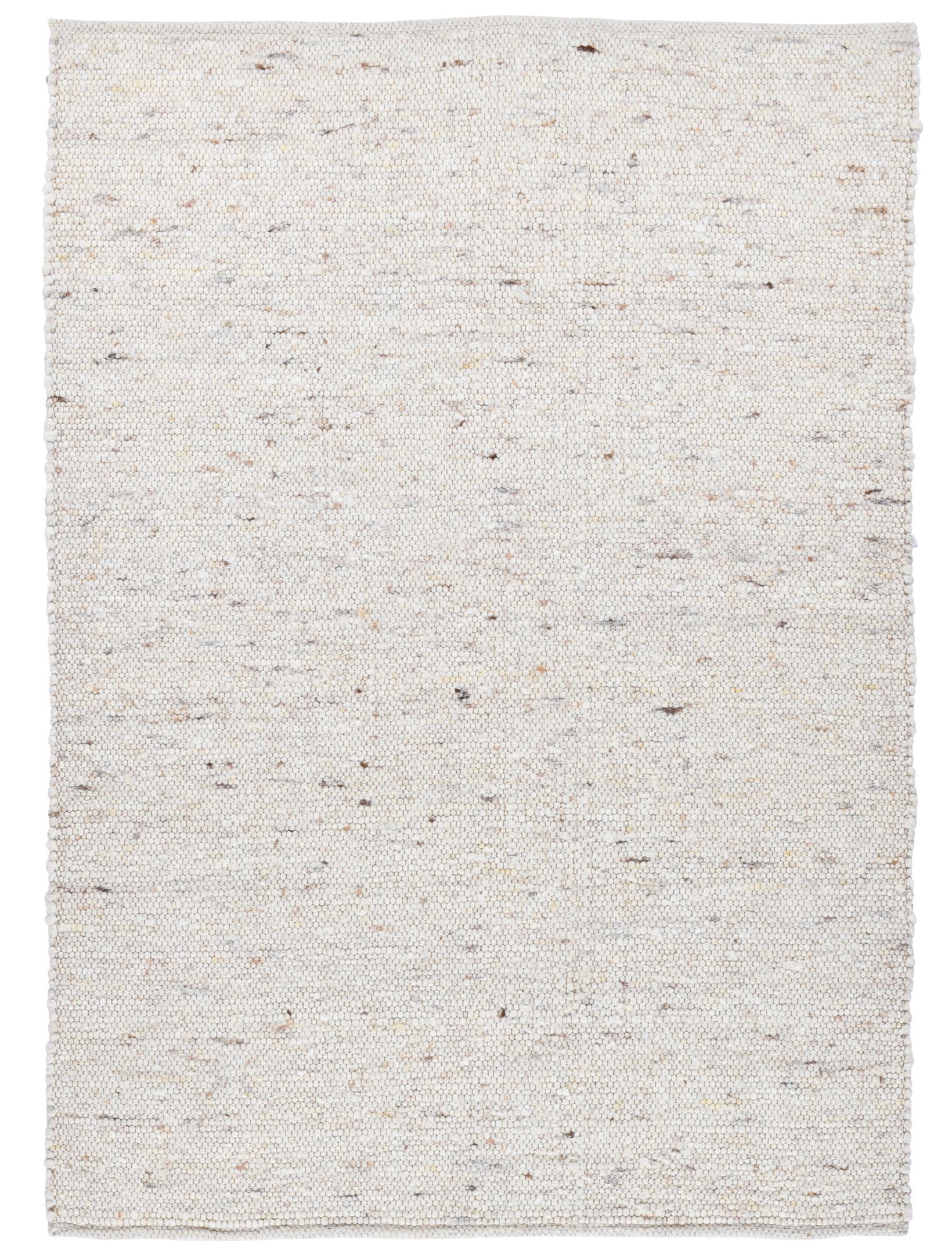
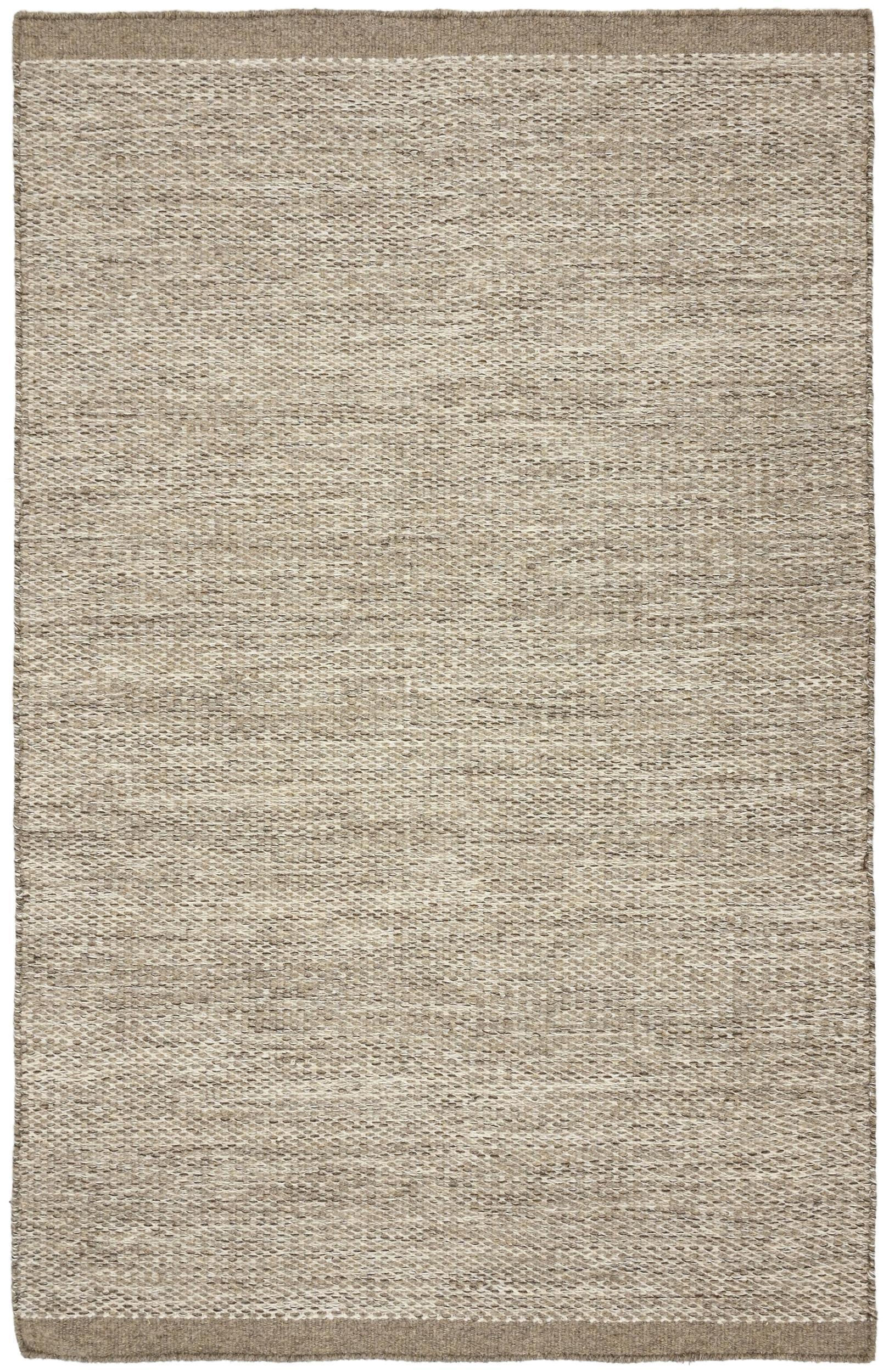
Ethno rugs live through materials that feel like what they are. Wool, cotton, sometimes jute. Flatwoven or with low pile that shows the pattern clearly. The surface is often uneven, the texture rough in the best sense. That makes the rug tangible and gives it a presence that goes beyond looks. Many of our Ethno Style rugs are made in workshops that connect traditional techniques with contemporary quality control. The result is a rug with character that still works for everyday life.
The patterns often follow graphic principles: lines, diamonds, zigzags, sometimes symbols that meant protection or fertility. These designs aren't decoration but a form of visual communication. In your home they create structure, guide the eye and give rooms a layer that was missing before. A Berber rug can fit here just as well as a Kilim-inspired flatweave.
How to style Ethno rugs in your home
Ethno Style rugs don't need a perfectly coordinated interior. They work precisely where contrasts are allowed to happen. A graphic Ethno rug under a minimalist dining table brings grounding to reduced spaces. An earthy Kilim in front of a Scandi sofa creates warmth that complements clean lines. A rug with tribal patterns in a room with industrial windows connects rawness with craft. The patterns carry enough independence to stand on their own and enough calm to not overwrite other elements. If you want to combine Ethno with other textiles, choose solid-color cushions or throws in tones that appear in the rug. In the living room, a large-format Ethno rug can define the seating area and give the room warmth. In the bedroom, a narrower model works at the foot of the bed or along the side.
Care and longevity of Ethno rugs
An Ethno Style rug is usually easy to care for if you follow a few basic rules. Flatweaves can be vacuumed regularly or shaken out. Treat stains locally with lukewarm water and mild soap, dabbing gently instead of pressing hard. For higher-pile models, a vacuum with low suction power is enough. Many Ethno rugs made from wool or cotton develop a natural patina over time that strengthens the character instead of diminishing it. If you rotate the rug occasionally, it wears more evenly and keeps its structure longer.
Most of our Ethno rugs are designed for daily use. Wool is naturally dirt-repellent, cotton is robust and hard-wearing. Flatweaves also work for households with pets or children, as they absorb less dirt and are easier to clean. An Ethno rug isn't a fragile showpiece but a functional object made for lived-in spaces.
