




When neutral stops being enough
A colorful rug is your floor making a statement. It brings hues into spaces that otherwise lean on safe choices, turning blank surfaces into rooms with intention. When you buy colorful rugs, you're choosing spaces that get to show what they're about. Bold, real, with character that's theirs.
Colorful rugs bring multiple shades into one design. They tie together your sofa, side table, and wall color in ways that make sense when they didn't before. A multicolored rug can anchor a gray foundation with strategic pops of color, or it can lead the room with a pattern that sets the tone for everything else. The choice is yours: how much of yourself should your home reveal?
How colors cooperate instead of clash
Colorful rugs succeed when their palette shares a common language. Color temperature is key: warm shades like terracotta, mustard, and rust red belong together, while cool tones like dove blue, mint, and charcoal form their own family. A colorful rug mixing both needs one temperature to lead, anchoring the room's mood.
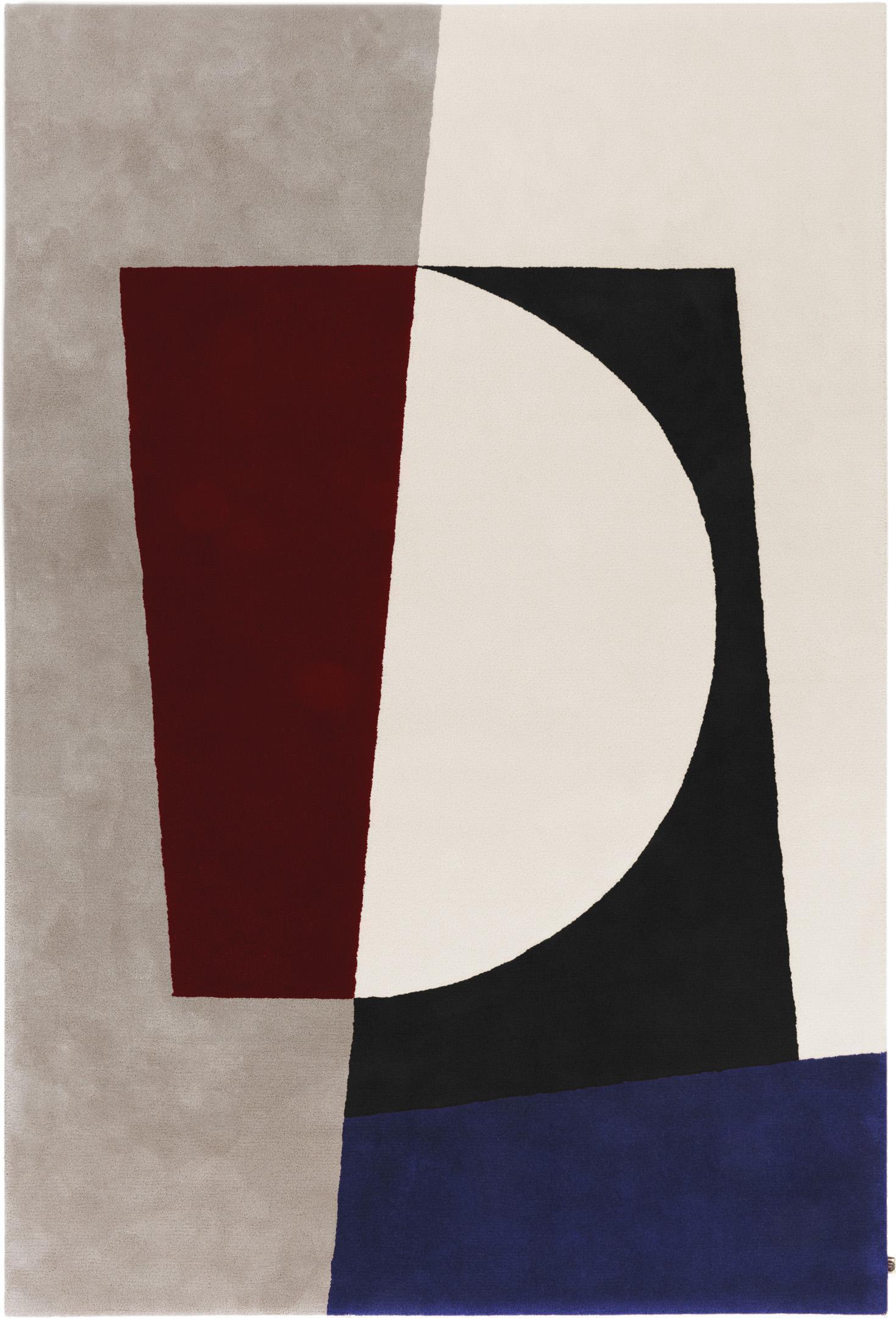
Pattern structure controls how color lands. Geometric designs organize bold combinations into clean lines, organic shapes soften transitions between hues. A rug with distinct color blocks reads graphic and contemporary, while gradient designs create depth and movement. Both approaches work when the color distribution finds its balance.
Materials that carry color with strength
Wool shows color with natural richness. Its fibers catch light differently, so even intense tones never look flat. Colorful rugs made from wool gain dimension from the material itself, revealing every shade's nuance. Quality wool rugs keep their color intensity for years because the fiber absorbs dye instead of just coating it.
Viscose brings shine to colorful patterns. The material reflects light more than wool, making colors appear brighter and more contrasted. A colorful viscose rug works in rooms that want visual punch. Its silk-like surface amplifies color shifts and makes patterns read differently depending on where the light hits. Wool-viscose blends combine depth with luminosity, each fiber playing a different role in the overall effect.
Rooms that can handle color
A living room with neutral furniture benefits from a colorful rug as its anchor. It unites sofa, chairs, and side pieces into a coherent whole that was missing before. The rug's colors guide your choices for cushions, throws, and accents. The result is a room that holds together because the floor sets the direction.
A dining room with simple furnishings gains energy from a colorful rug beneath the table. The colors define the zone where people gather, creating atmosphere that invites you to stay. A hallway runner in strong colors transforms a pass-through into a space with presence.
How a colorful rug communicates with the room
Size determines impact. A large colorful rug covering most of the floor becomes what the room builds on. The colors set the atmosphere. A smaller colorful rug as an island solution creates a targeted accent while keeping the rest of the room calm. Both strategies work, depending on how much you want color to shape the space.
Ceiling height affects how color registers. In rooms with high ceilings, bold, high-contrast rugs can ground the floor and balance proportions. In lower rooms, colorful rugs with lighter base tones work better because they preserve openness. The rug's colors should work with how light enters: rooms with abundant daylight can handle more intense shades than darker corners.
Care that protects color
Regular vacuuming maintains color vibrancy because dust dulls the surface. For wool rugs, a soft brush or vacuum with an appropriate nozzle is enough. Treat spills immediately with clean water and a fresh cloth. Harsh cleaners can attack color pigments, so restraint with chemicals makes sense.
Colorful rugs benefit from placement away from constant direct sunlight. UV light fades colors over time, especially in sensitive materials like viscose. Rotating the rug occasionally ensures even wear and preserves color intensity across the entire surface.
