






Beige Rugs: Light, Calm and Always a Good Look
Beige is no fallback choice. It is the colour that holds a room together without dominating it. A beige rug creates brightness, lets furniture shine and gives your living room or bedroom a calm, high-quality foundation. Anyone who dismisses beige as boring has simply not seen a good one yet.
At the same time, the questions are valid: which shade of beige suits my interior? Is every stain visible? Will the room look too pale? That is exactly what this page is here for.
Which Shade of Beige Suits Which Room?
Beige is not simply beige. The differences between shades are decisive for the effect a room has.
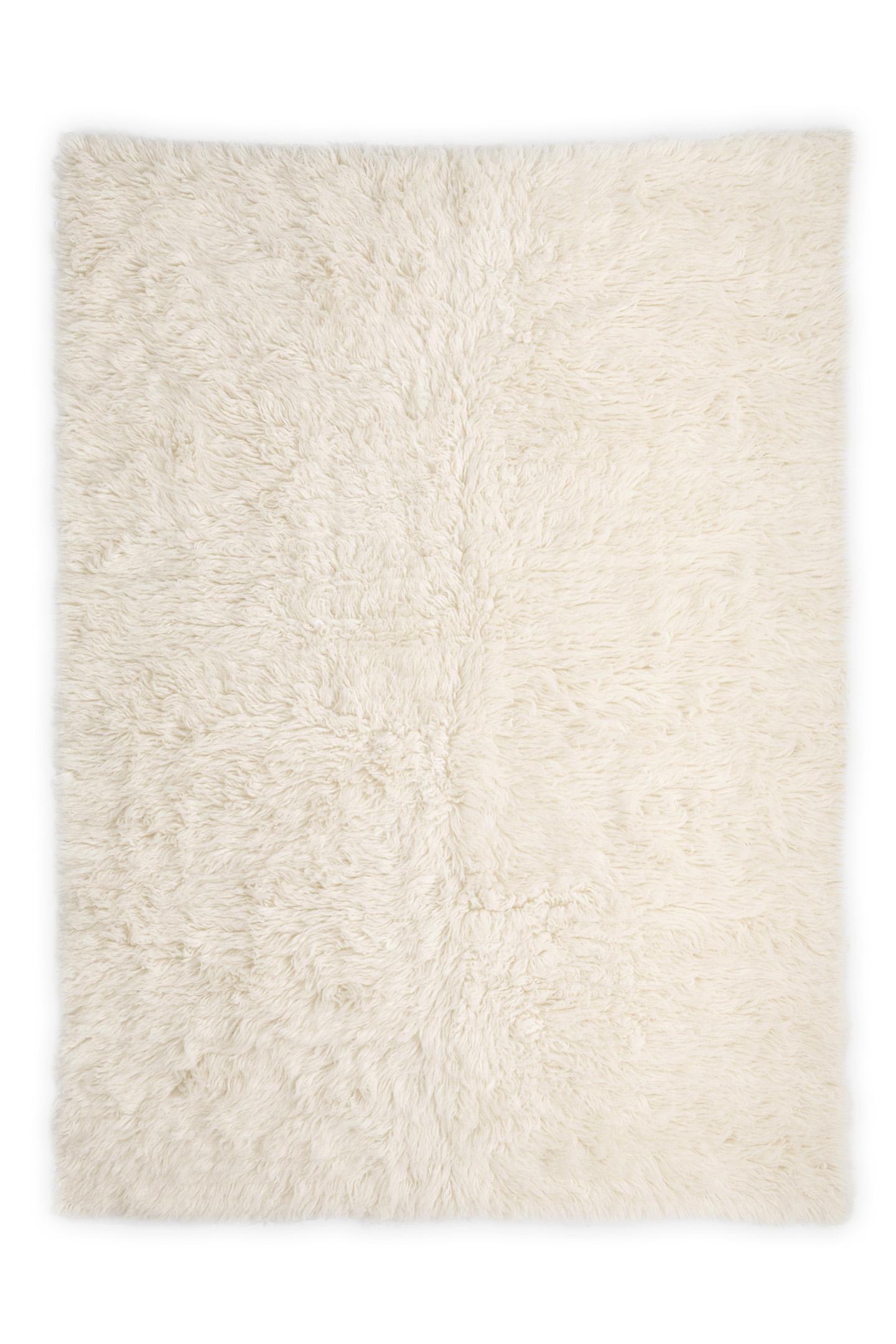
- Rug cream: Very light, soft, almost white. Feels generous and welcoming. Ideal for the bedroom or a calmly furnished living area.
- Sand: Warm, natural, homely. The most versatile shade of beige for living rooms and dining rooms. Goes well with wood and natural materials.
- Rug in greige: The mix of grey and beige. Modern, calm, slightly cool. Perfect for contemporary interiors with grey or white furniture.
- Natural beige: Neutral, harmonious, enduring. Works in almost any style and room.
- Rug taupe: Slightly darker and more elegant. More depth, less brightness. Ideal for upscale living spaces with high-quality furniture.
For those undecided between beige and grey: a rug in greige bridges both worlds and is one of the most purchased choices with us. Anyone who wants more warmth is better served by sand or natural beige than by a grey rug.
Beige Rugs in the Living Room and Bedroom
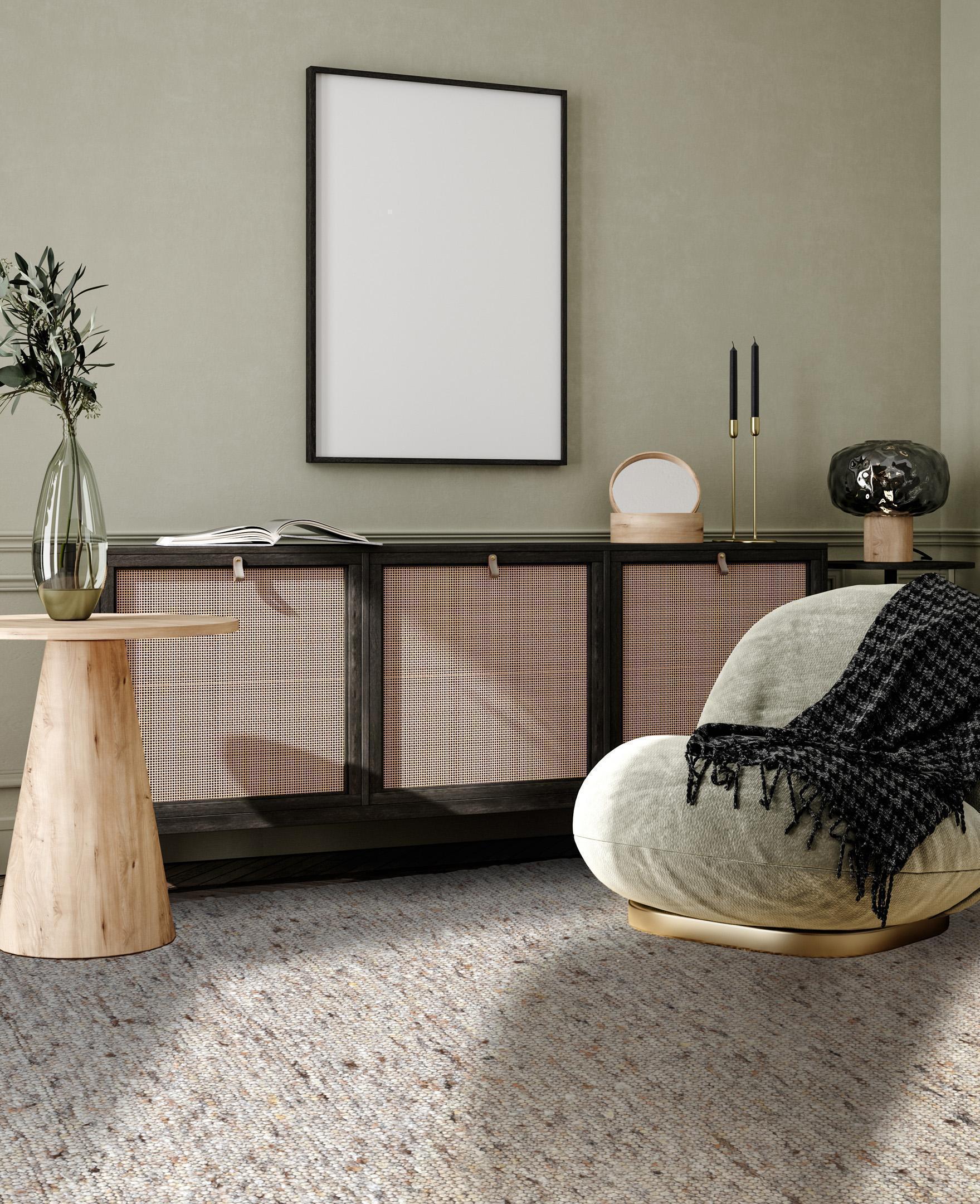
In the living room, a beige rug is the ideal foundation for a considered interior. It brings the sofa, coffee table and armchair together as a group without stepping into the foreground itself. Beige works particularly well in combination with wood, natural tones, black or terracotta.
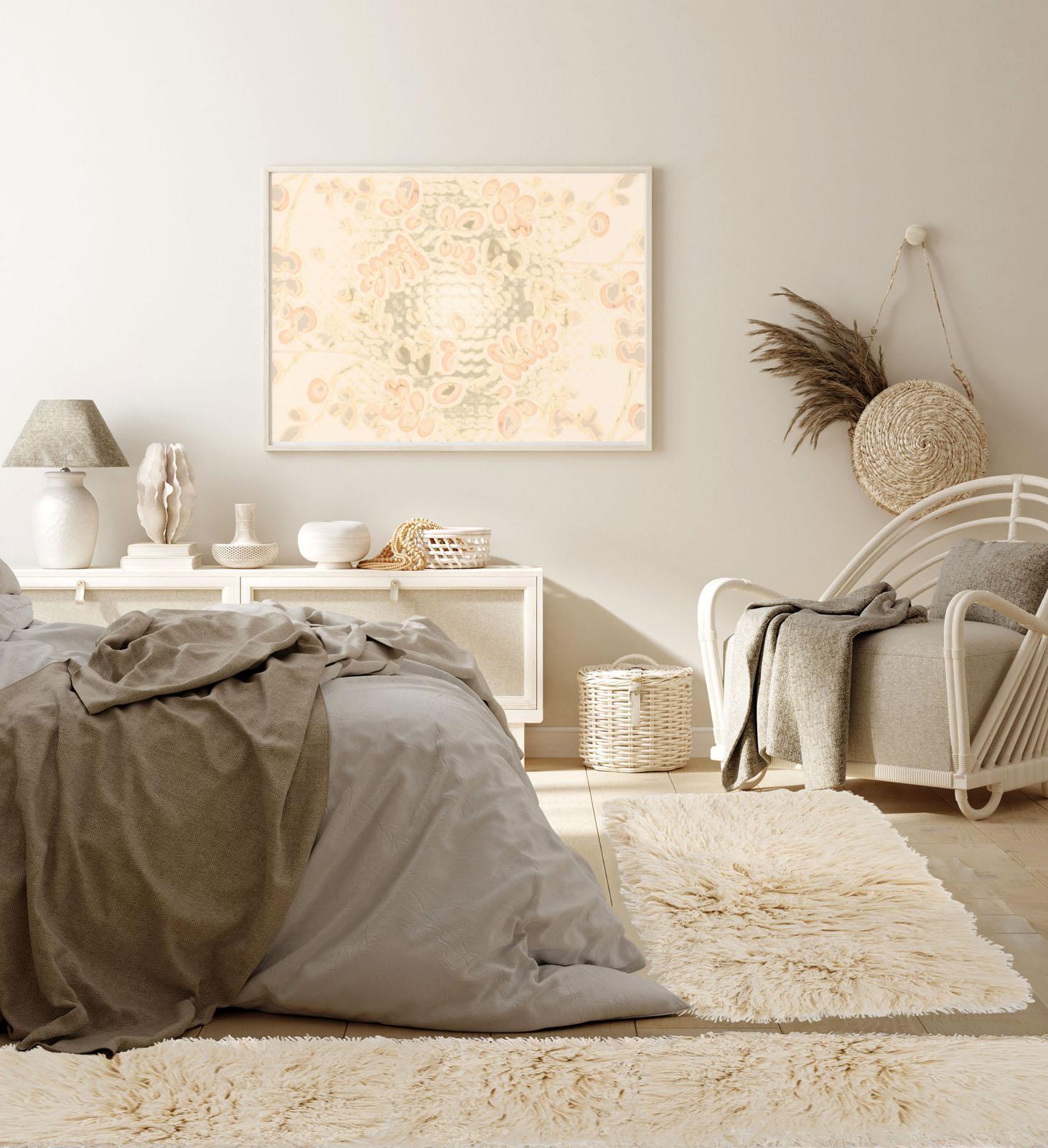
In the bedroom, a beige rug creates a calm, pleasant atmosphere. Soft beige or cream beside the bed makes the room feel friendlier and warmer. High-pile or a soft wool rug in beige is especially popular here.
In the dining room, the rule is: light rugs require the right choice of material. Short-pile or flat-woven qualities in beige are considerably more practical for everyday use than high-pile or delicate materials.
Which Material for a Beige Rug?
The material determines the feel, care requirements and durability. And with a light rug, making the right choice matters even more.
- Wool: High quality, warm and naturally dirt-resistant. Wool absorbs dirt more slowly than many synthetic fibres. Long-lasting and easy to maintain. The best choice for living rooms and bedrooms with high standards.
- Synthetic fibre (polypropylene, polyester): Easy to care for, robust and usually more affordable. Ideal for families, pets or heavily used areas. Many qualities are stain-resistant.
- Cotton: Uncomplicated and often washable. Light, soft and honest. Good for bedrooms or areas with low foot traffic.
- Jute and sisal: Natural, textured and visually very appealing. A good companion in dry conditions, but sensitive to moisture and less soft underfoot.
- Viscose and Tencel: Elegant sheen, refined look. Feels almost silky and looks particularly beautiful in beige. However, viscose is sensitive to moisture and abrasion. Suitable for calmly used rooms, but less so for hallways or dining rooms.
In short: for everyday use and families, synthetic fibre or wool is the stronger choice. For calm, elegant rooms, viscose is also an option, as long as you know what you are getting into.
Beige Rug: Texture Prevents Monotony
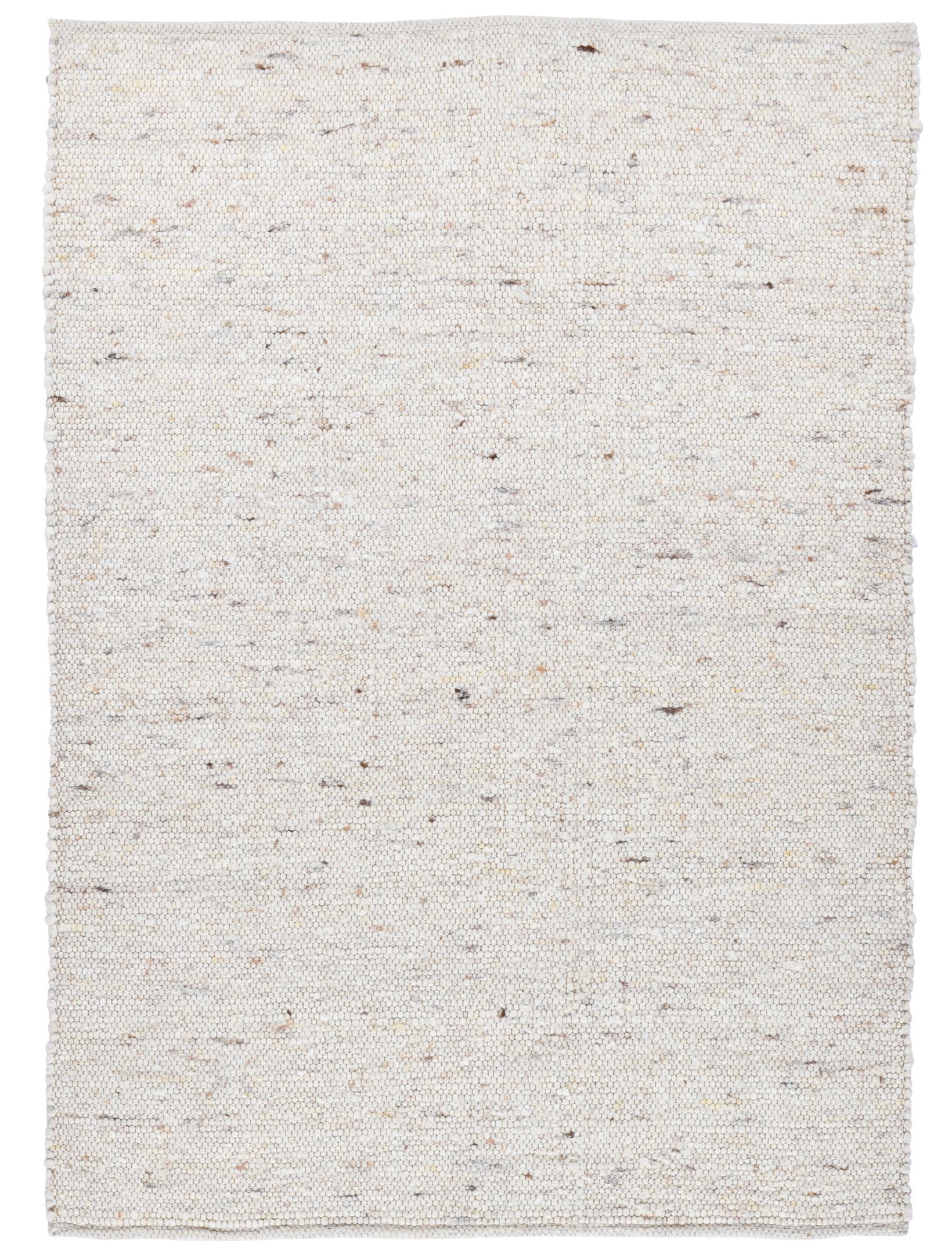
A smooth, plain beige rug can look flat. That is no argument against beige, but rather for making the right selection. Texture, heathering and patterns make the difference.
- Heathered wool rugs: The interplay of different yarn tones makes the surface look lively and conceals everyday marks more effectively.
- High-low structure: Woven reliefs or varying pile heights create depth and visual interest.
- Flat-woven natural fibre rugs: The weave structure itself is the design element.
- Subtle patterns: A discreet geometric or organic pattern in beige tones is enough to give a room character.
Beige with contrast works best: a beige rug next to a dark wooden floor, a black piece of furniture or a sage green accent has no chance of looking dull. Anyone who finds a brown rug too rustic will often find exactly the right balance between warmth and elegance in the right sand beige.
Size: Better One Size Up
The most common mistake when buying a rug is choosing one that is too small. A rug that sits lost beneath the coffee table connects nothing and looks out of place.
- Living room: The front legs of the sofa should rest on the rug. That is the minimum rule. 200x300 cm is a tried-and-tested size for classic living rooms; 160x230 cm is suitable for smaller areas or seating groups.
- Dining room: The rug must be large enough for the chairs to remain on it even when pulled out. Better 240x340 cm than 200x300 cm and too tight.
- Bedroom: The rug should remain visible on both sides of the bed. Starting the morning with bare feet on warm beige is the right approach.
- Round rugs: Ideal under dining tables, in reading corners or as an accent in open-plan spaces. They bring movement to rectangular floor plans.
When in doubt, the rule is: one size up is almost always the better decision.
What Goes Well with a Beige Rug?
Beige is exceptionally versatile to combine. That is one of its greatest advantages over stronger colours.
- Wood: The most natural combination. Oak, walnut and parquet harmonise with almost every shade of beige.
- White and grey: Classic and timeless. Greige or natural beige mediates between a grey sofa and light walls.
- Black: Beige and black are an elegant pairing. Contrast without harshness.
- Terracotta and sage green: Warm, natural and current. Beige holds these stronger tones together.
- Brass and gold: High-quality metal accents alongside beige look particularly refined.
For those still undecided between a rug in greige and a warm sand beige: look at the colour of your floor. A light wooden floor works well with both. Dark parquet benefits from a lighter, warmer beige that creates a clear contrast.
