
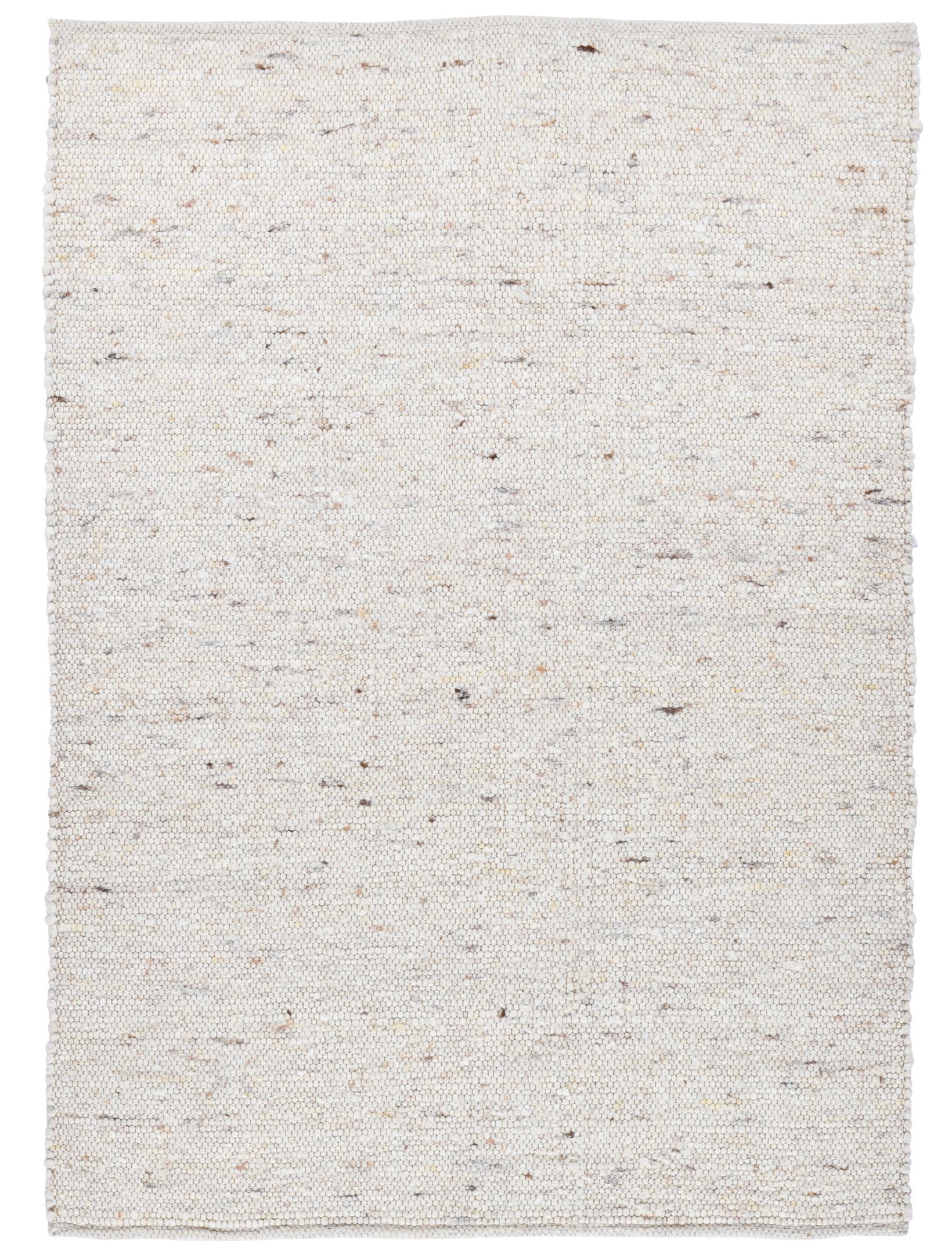

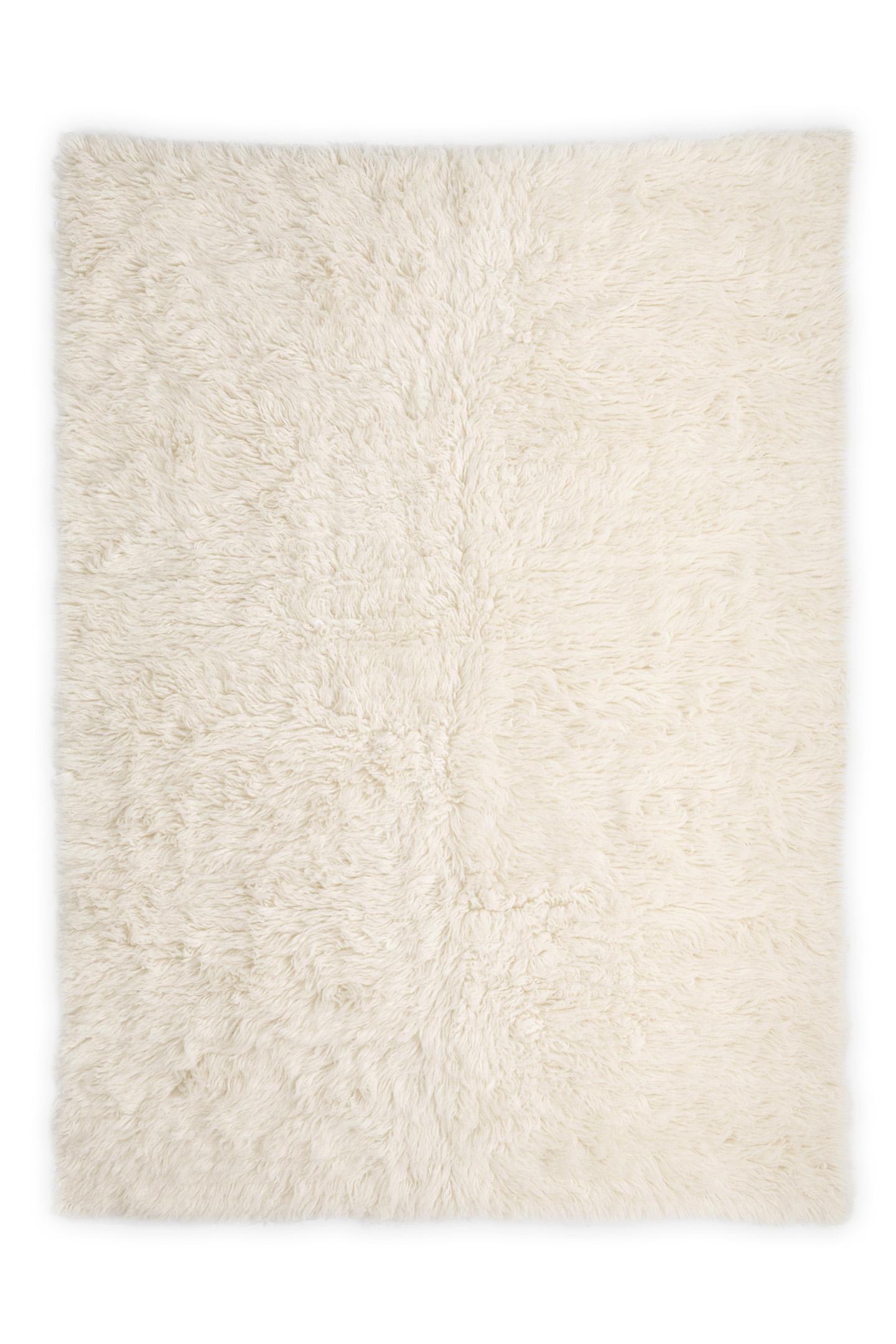

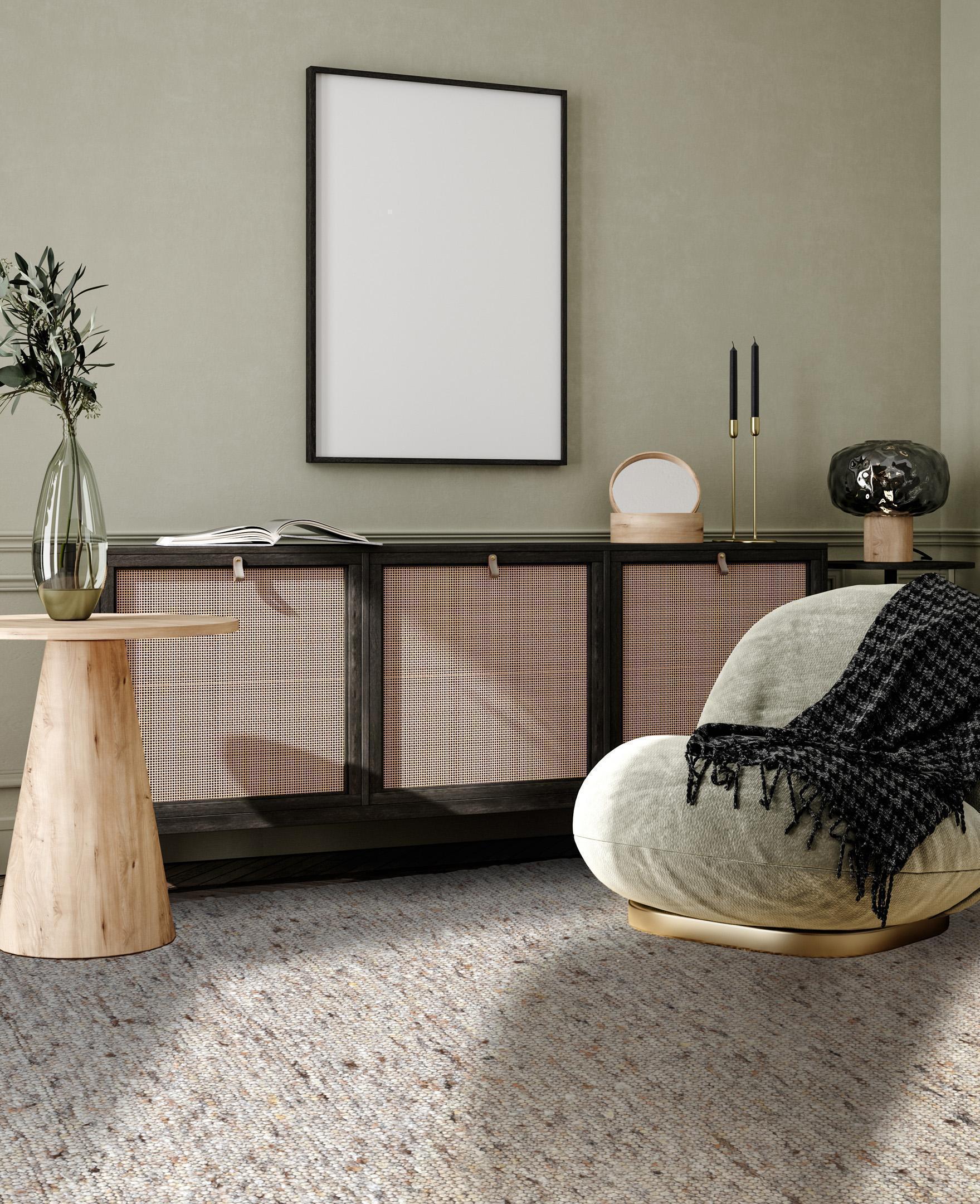

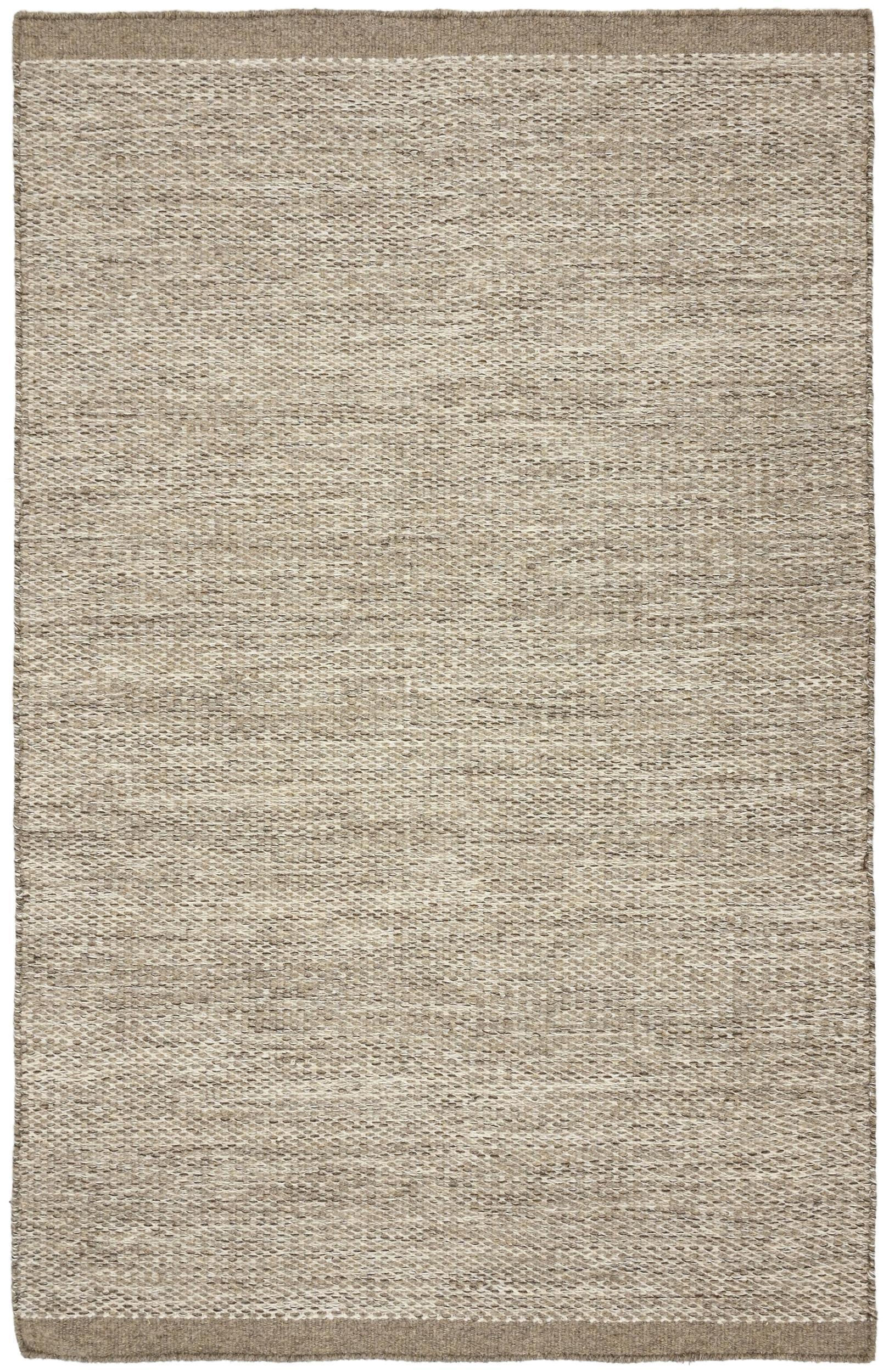


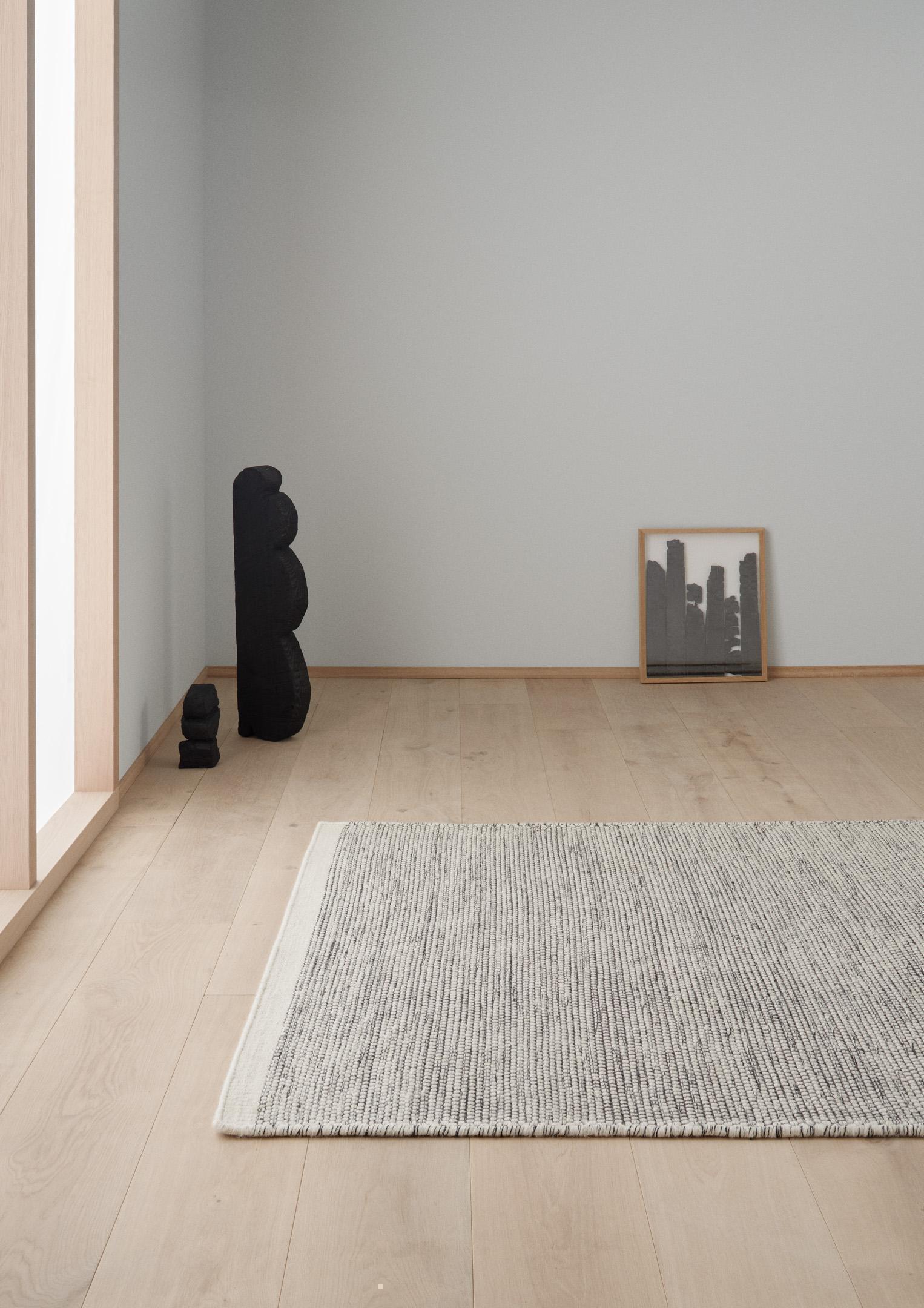


Scandi Rug: light, clear and still cozy
A Scandi rug does exactly what the Scandinavian interior style promises: light tones, clear form and a room that instantly feels calmer and more livable. The rug in Scandinavian style relies on restraint rather than decorative overload, and yet coziness is created. The reason is simple: natural materials, fine textures and warm natural colors take the chill out of the clean look.
Scandinavian interiors live on simplicity, function and plenty of light. A single rug brings this look into your home in minutes. No renovation, no tradesperson: lay it down and the room feels tidy, bright and inviting. Especially in open floor plans or smaller city apartments it defines zones and keeps furniture groups together.
Does a light Scandi rug look cold? How to tip the look toward warmth
The most common concern when buying: clean ends up looking cold and bland. That is a legitimate question, and it has a clear answer. A light rug only looks empty when it lacks texture and material. A Scandi rug made of wool delivers exactly the opposite.
Wool feels warm and soft, acts as insulation and also dampens footstep noise. The surface adds to this: a subtle structure gives the rug depth without being intrusive. Imagine a small city apartment with white walls. A cream rug with a fine diamond structure immediately breaks the cool effect, because the eye sees texture and a warm tone instead of a smooth white surface.
The current Scandi trend is moving away from sterile minimalism toward a warmer aesthetic with natural materials and warm colors. Choosing wool, a visible texture and a tone like cream or beige gives you the clean look and the coziness at the same time.
Colors and patterns: cream, beige and subtle geometry
Typical of the Scandinavian style is a restrained color palette: white, gray, beige, natural tones and soft pastel colors. Cream rugs and beige rugs are the safe foundation, because they work with almost any wall color and any piece of furniture. A white rug looks the brightest and lightest, but requires a little more attention in everyday use.
When it comes to patterns, restraint is the rule. Simple stripes, diamonds or zigzag lines are classically Scandinavian. Those who prefer a calm look opt for plain rugs with a fine structure: the texture alone carries the room. This keeps the look tidy, even when a lot is going on in the space.
A good trick against visual busyness: one tone, one subtle form, done. A designer rug with clear geometry is entirely sufficient as the single decorative element. Everything else can remain simple.
Scandinavian rug by room: living room, bedroom, dining room
The right size determines whether the rug orders the room or looks lost. Here are the rules of thumb per room.
Living room
The rug should be at least as wide as your sofa, ideally around 20 cm wider. For a three-seater about 210 cm wide, a 160x230 cm rug is a good match, with the sofa's front legs resting on it. Common living room sizes are 160x230 cm, 200x290 cm or 240x340 cm. In an open floor plan combining kitchen and living area, a plain rug neatly separates the seating group from the dining area and keeps the furniture together as a group.
Bedroom
With a centered bed, at least 20 cm of rug should be visible on each side. For a classic double bed, 200x290 cm is suitable, with around two thirds of the surface disappearing under the bed. This way you step out of bed in the morning onto soft wool rather than a cold floor.
Dining room
Here the most important thing is that all chair legs remain on the rug even when chairs are pushed back. Rule of thumb: 50 to 75 cm overhang per side beyond the table. For a round dining table with four chairs, a round rug with a diameter of 200 to 250 cm usually fits well.
Scandi rug with underfloor heating: what to look out for
A Scandi rug and underfloor heating work well together if you pay attention to pile height. Recommendation: low pile and low pile density, so that the warmth can pass through. Wool is very well suited thanks to its good thermal conductivity and resilience. A jute rug is also a good option, because the natural fiber is usually flat-woven and heat-permeable.
A practical side benefit: natural fibers such as wool, jute or cotton are antistatic. With floor types other than tiles, a flat rug keeps you on the safe side.
Keeping light rugs clean: care in everyday life
With light tones, dirt becomes visible sooner, which calls for a more mindful approach. With a few simple rules a light rug stays beautiful for a long time:
- Vacuum regularly; with wool, avoid hard rotating brushes and maximum suction power, as this protects the fibers.
- Blot liquids immediately with absorbent kitchen paper, dabbing carefully rather than rubbing.
- Keep bleach and chemical cleaners away from wool, as they damage the fibers.
- Avoid direct sunlight, as UV light causes colors to fade.
- For larger areas of wool and sisal rugs, use a professional rug cleaning service.
Good to know: new wool rugs shed at first. This is a sign of quality and settles down on its own over time. Wool is also dirt- and water-repellent due to its natural lanolin content, and absorbs moisture from the air.
Scandi, boho or industrial: recognizing the difference
When comparing styles before buying, the quickest way to sort them is by color and form.
- Scandi: light tones, clear lines, subtle geometry, natural materials such as wool and cotton. Calm and tidy.
- Boho: more patterns, fringe and mixed materials, often natural fibers such as jute in a coarser look. More lively and playful.
- Industrial: muted, darker tones, a robust feel, less warmth in the color palette.
Cotton plays further into the Scandi look because it takes color well and covers a wide range of subtle natural tones. If you are looking for light rugs, clear form and natural fibers, the Scandinavian style is the right choice.
