
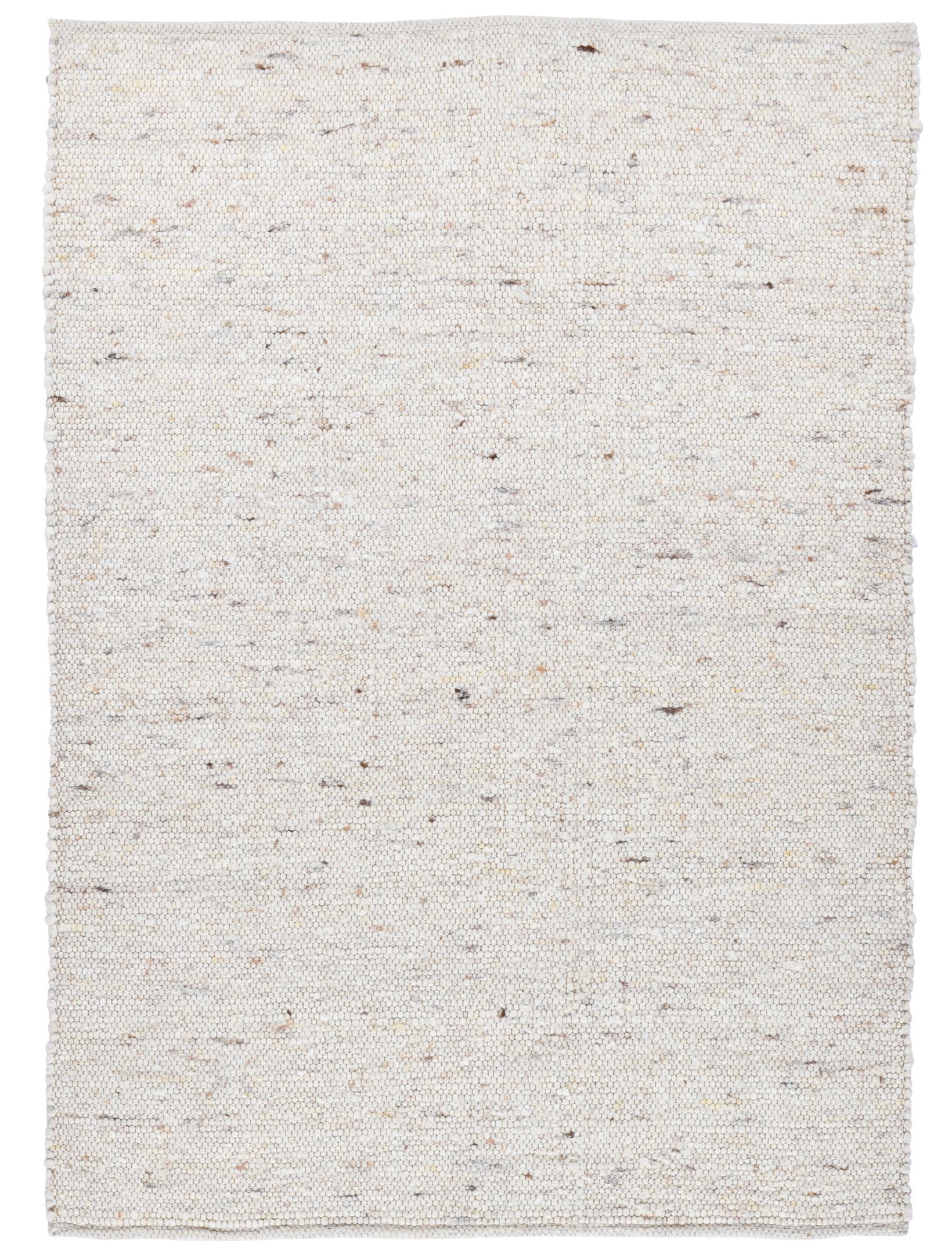
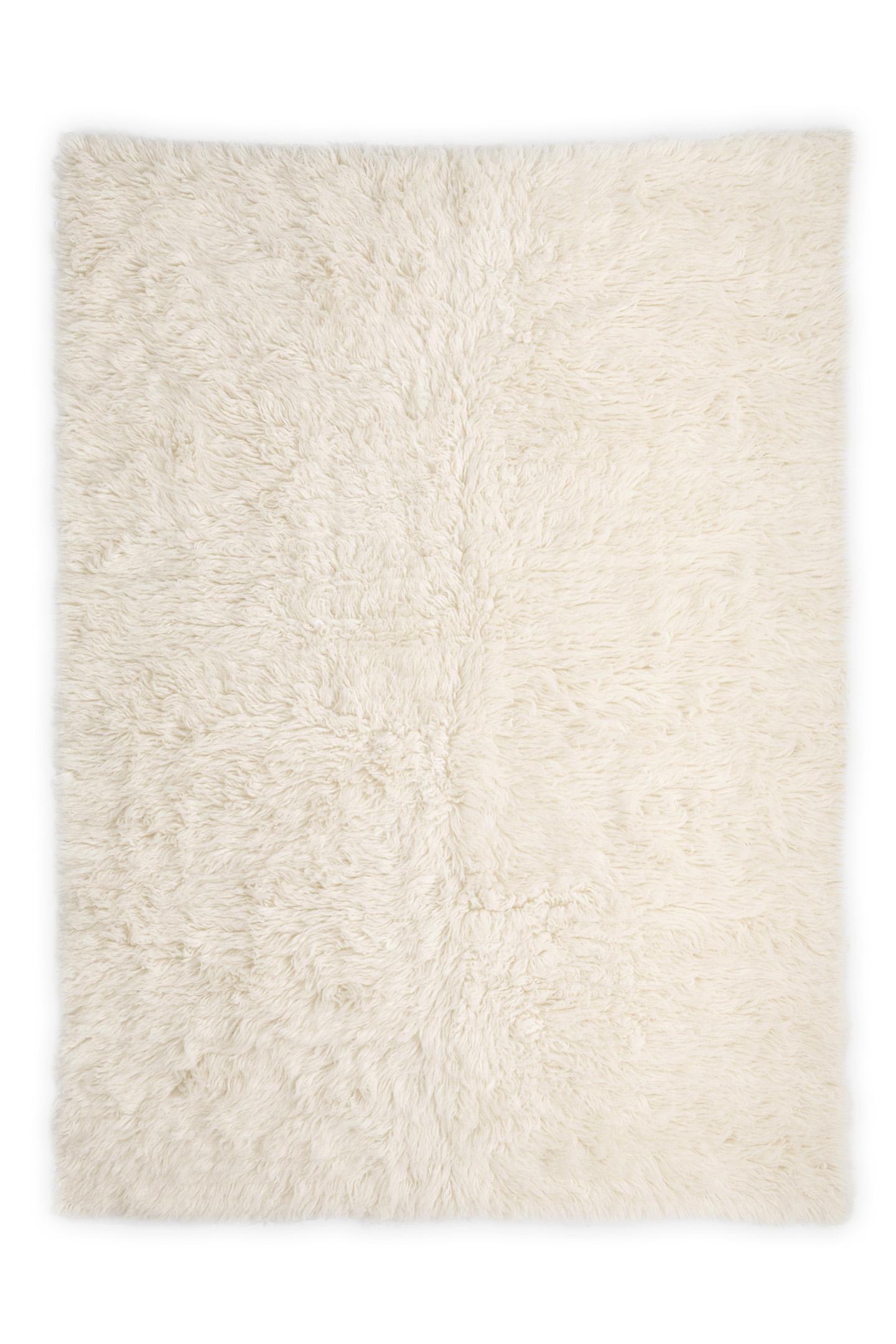


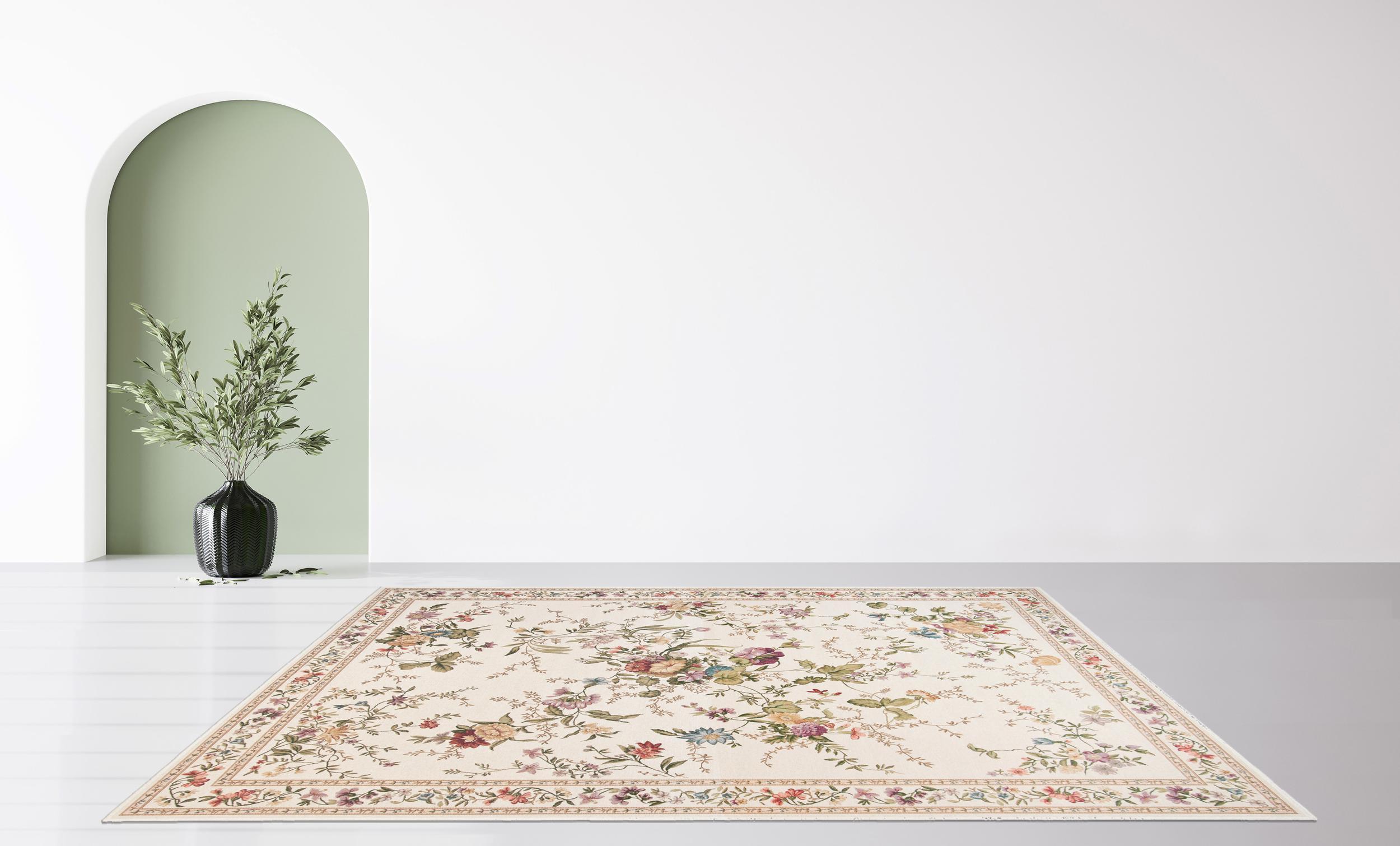


Rug 60x90: small in area, big in impact
The most common thought about this size is: too small to make a difference. Quite the opposite. A rug 60x90 does not cover a large area, and it does not need to. It sets a deliberate accent: in front of the bed, in front of the washbasin, under the armchair, or right behind the front door. On these small surfaces, comfort is decided every day, and that is precisely where it delivers its value.
A small rug in 60x90 cm is the right choice when you want to improve a single zone rather than rearrange the entire room. It is quick to lay down, easy to move, and straightforward to clean. Anyone looking for a larger connected area under a sofa and armchairs would rather go for a rug 120x170 cm. The XXS size is made for a targeted accent in a clearly defined spot.
Does 60x90 cm actually work? What a small rug delivers
The compact size accentuates a single zone rather than covering a large surface. That is its advantage, not a drawback. A small rug defines an area, gives it structure, and makes it noticeably warmer and softer underfoot.
A concrete example: the bedside rug placed across the foot of the bed. In the morning, your feet land on a warm surface instead of a cold floor. That one step out of bed is the moment when the size fulfills its purpose. The same principle applies in front of an armchair: where you sit and rest your feet, the surface provides standing comfort.
It also works in a small kitchen. A cotton rug in front of the sink brings structure to the room and provides a softer surface to stand on while washing up. The rug works exactly where you spend your time, and that is worth more than a large surface you simply walk across.
Material by location: dry or damp is what decides
Before you consider aesthetics, the location determines the material. The most important question: dry or damp.
For dry zones (bedroom, living area, representative entrance):
- Wool: long-lasting, homely, regulates moisture, and improves acoustics. Sensitive to dampness, so it does not belong in the bathroom.
- Cotton: airy, easy to care for, and in small formats often machine washable. Resilient even against firm footwear and therefore well suited to the hallway.
For damp or heavily used zones (bathroom, kitchen, exterior door):
- Polypropylene: moisture-resistant, dirt-resistant, and easy to clean. Suitable for zones close to the outdoors.
- Polyamide (nylon): particularly abrasion-resistant and therefore a strong choice for high-traffic entrance areas.
- Polyester: soft and easy to care for, appropriate for moderate use.
Natural fibers such as jute, viscose, and Tencel are visually attractive, but should be used with restraint in high-moisture environments. Jute swells when wet and must not go in the washing machine. Sisal and jute are cleaned dry. Wool is best in dry areas; a wool rug in the representative entrance of a period apartment looks long-lasting and homely, but it definitely does not belong in the bathroom.
Entrance rug: robust, compact, door-friendly
For the entrance rug, 60x90 cm is a practical format. It is compact enough for narrow hallways and large enough to create a real transition zone behind the door. Important: the entrance is a high-load zone. Here, durable, easy-to-clean material matters. Polyamide or cotton stand up to firm footwear; in a dry, representative entrance, wool is also an option.
A 60x90 cm rug delivers more than a plain doormat. It absorbs dirt, catches moisture, and at the same time gives the entrance a design zone. A hallway rug in this format marks the path from the door into the home without cluttering the narrow space. Before purchasing, check the door clearance and the door swing so the rug allows the door to open and close freely.
Non-slip placement: using an anti-slip underlay correctly
Yes, small formats tend to slide more on smooth floors such as tiles, laminate, or parquet than large ones. The reason is simple: less surface area, less weight, no piece of furniture to anchor the rug. The solution is equally simple.
- A non-slip underlay increases stability and safety, especially for a format like 60x90 cm.
- Cut the anti-slip mat 1 to 2 cm smaller than the rug so it stays out of sight.
- A rug backed with a non-slip underlay lies flatter and more evenly, which allows patterns and textures to show to better advantage.
Particularly in the bathroom and the entrance, where moisture comes into play, the underlay is a safety benefit you should not skip.
Placing a rug 60x90 cm: distances and orientation
The right placement determines the effect. A few rules of thumb:
- In front of the bed: across the foot of the bed or lengthwise along the side. As a bedside rug, the small surface is sufficient; the width should follow the bed.
- In front of the washbasin or shower: place it centered in front of the area of use, where you stand.
- In the entrance: align it parallel to the wall or door and keep the door swing clear.
- In front of the armchair: positioned so that your feet land on the surface when sitting.
A simple trick before buying: use painter's tape to mark the dimensions on the floor. This lets you assess the 60x90 effect realistically and see immediately whether the surface suits the zone.
Families, pets, rentals: what you should keep in mind
In households with children and pets, a washable, non-slip, flat-woven synthetic fiber proves its worth. Rugs with a low pile height are easier to keep clean than high-pile versions. Smaller rugs made of cotton and PET can be machine washed at low temperatures; always check the care label on the underside first.
For basic care: vacuum once a week, avoid rotating brush attachments, blot fresh stains immediately with a clean, undyed cloth rather than rubbing. Avoid direct sunlight so the colors do not fade. For renters, the small format is ideal because it is easy to lay down, can be repositioned at any time, and is simple to take along when moving. Anyone who wants to cover additional zones alongside the 60x90 can combine the XXS size well with a round rug under the dining table or a hallway runner in a long corridor.
