








Rectangular rug: measure first, then buy
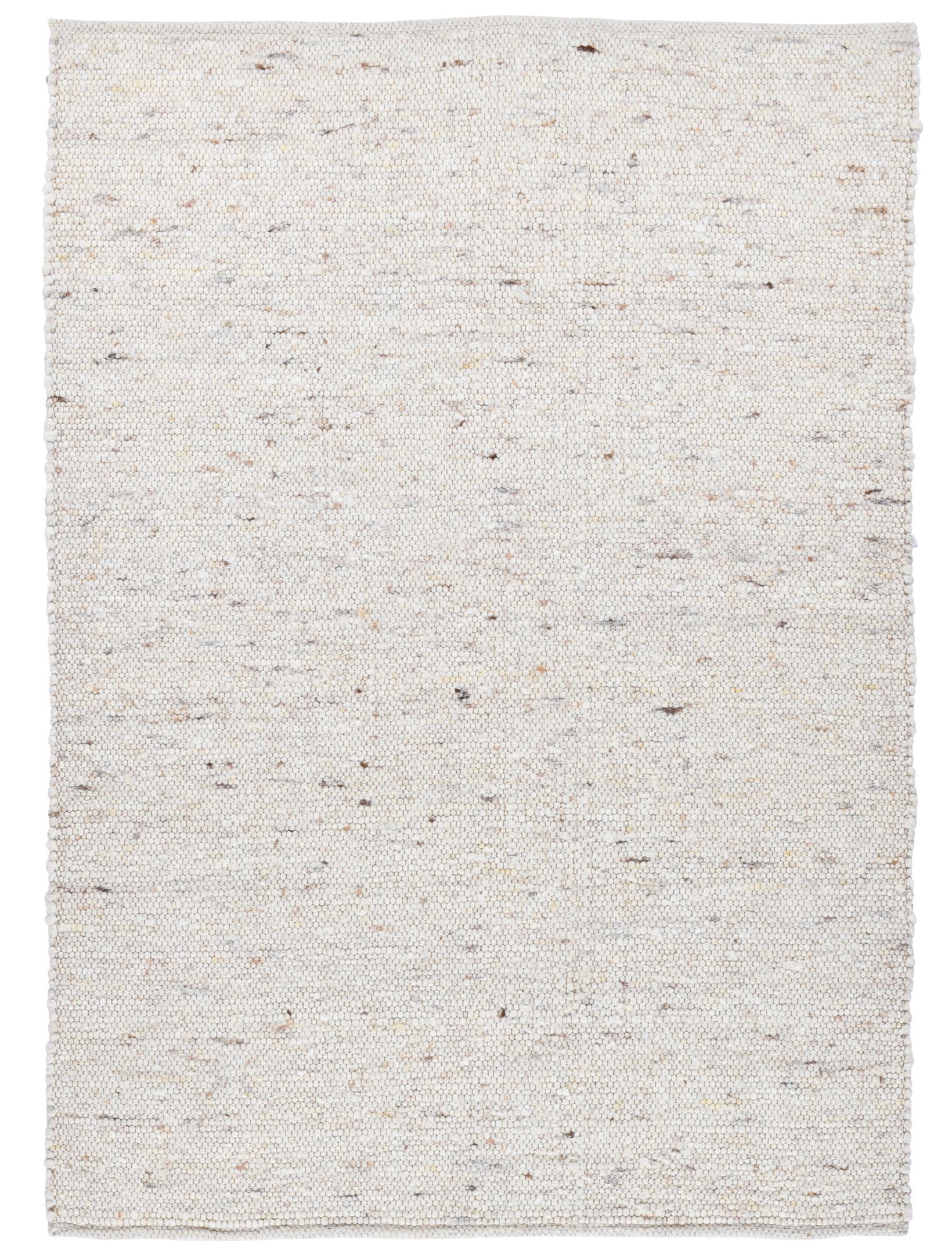
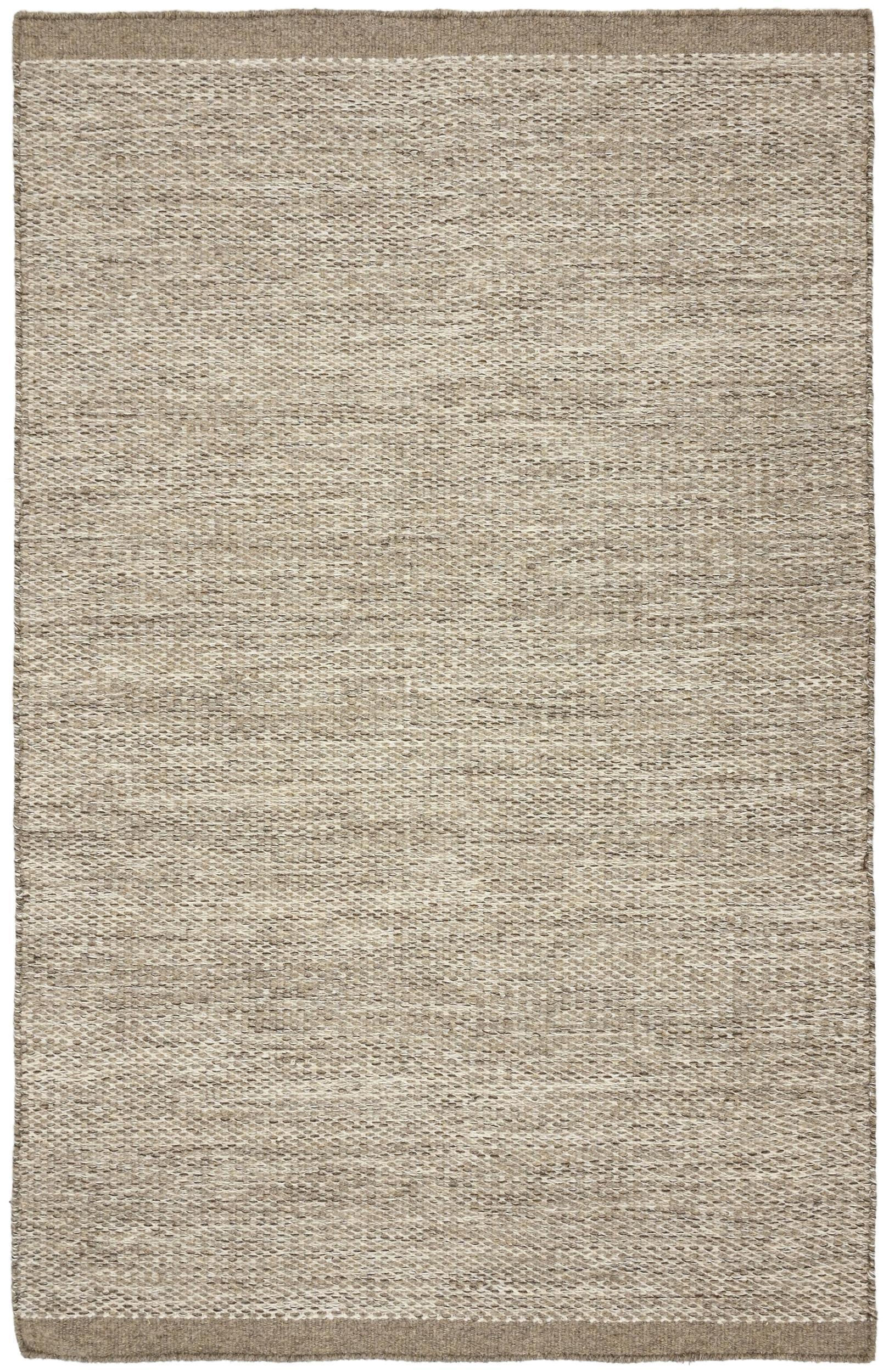
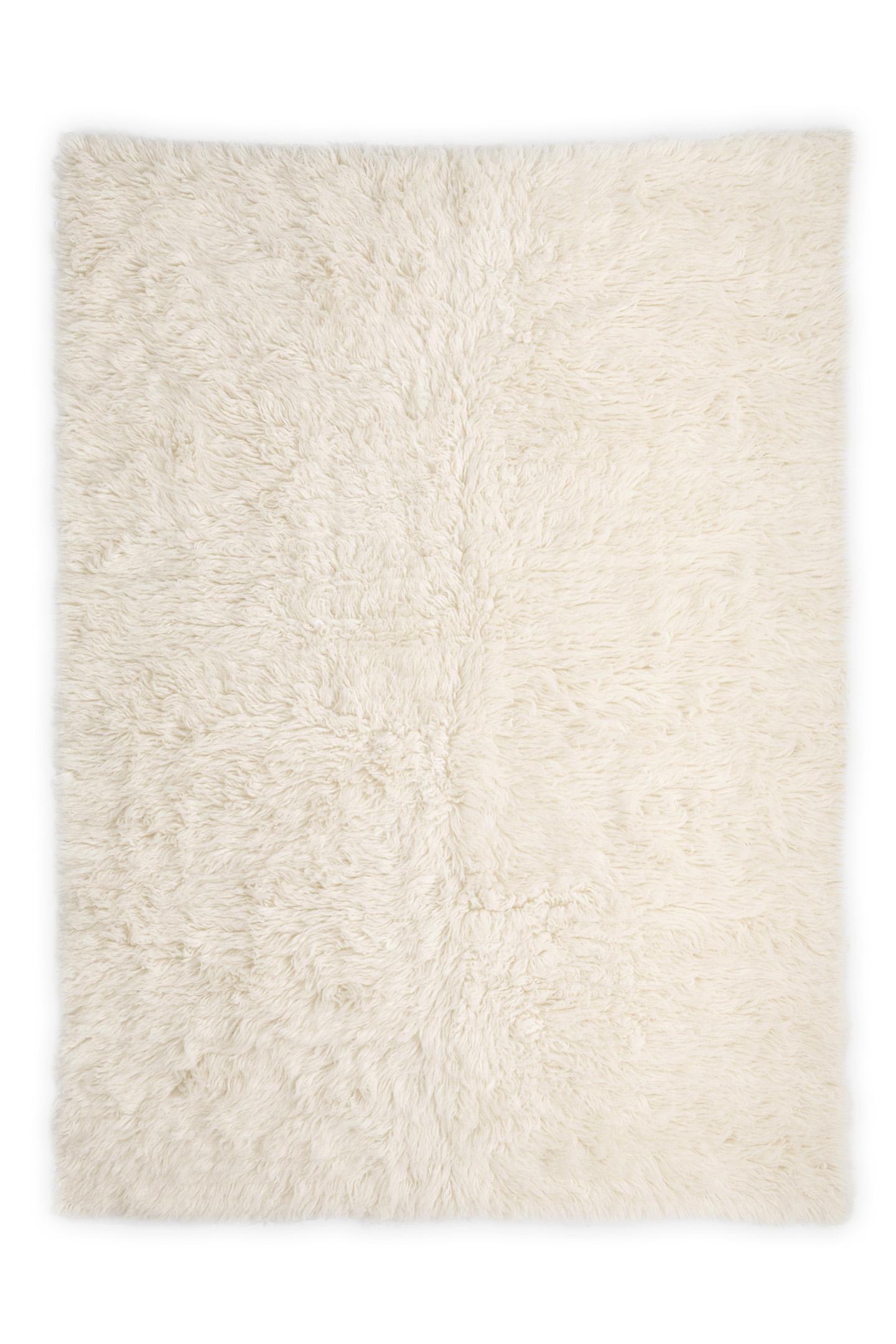
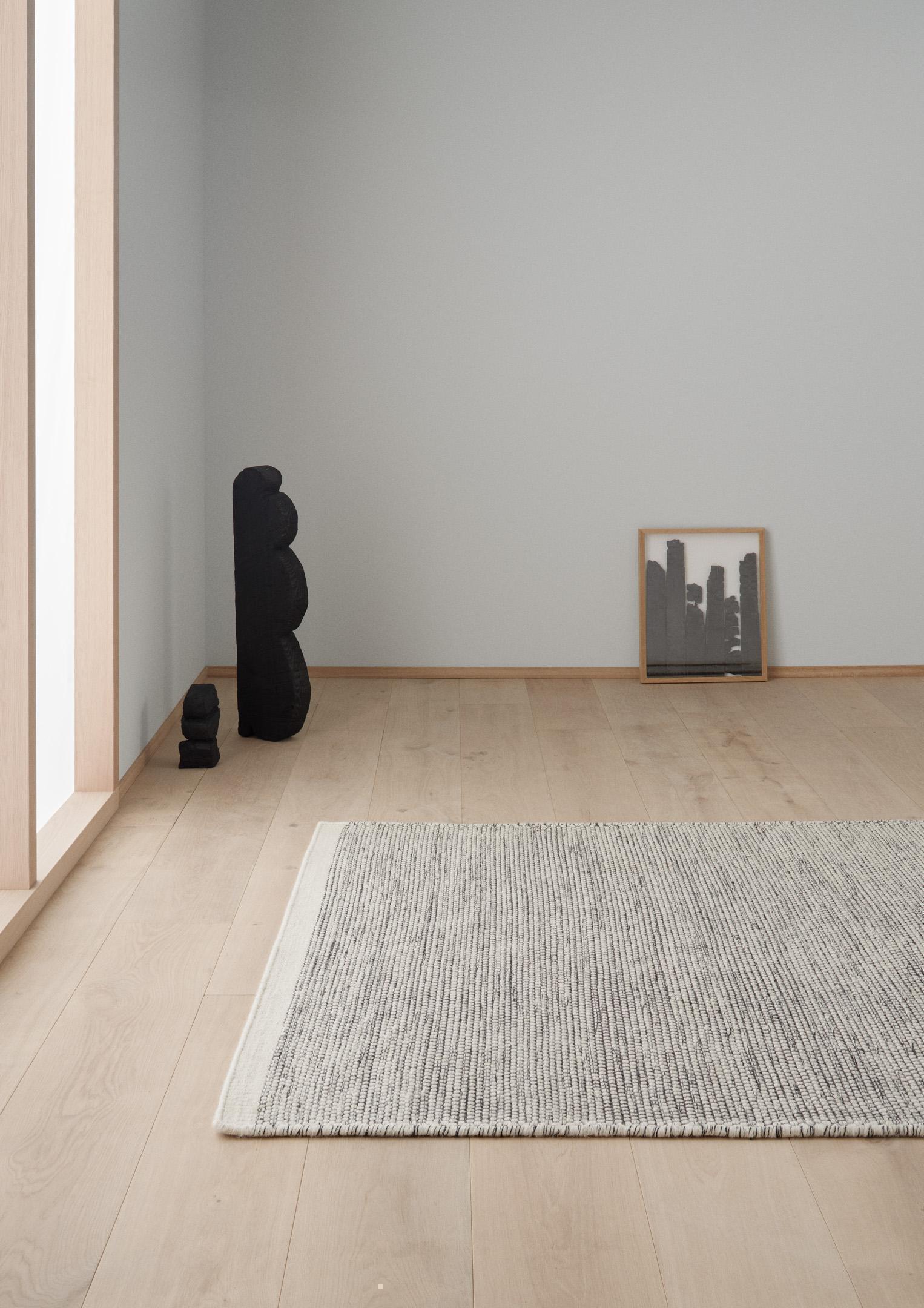
A rectangular rug follows the architecture of your room. It runs parallel to walls, to the sofa edge and to the room's axes, and that is exactly what makes it look so calm and tidy. The catch: if the size or placement is off, you notice it straight away. A rug cut in a rectangular shape forgives no crooked positioning and no wrong length.
That is why the decision here is less about color and pattern, and first about the fit. If you measure and mark before ordering, you get a rectangle rug that neatly frames the sofa or dining table and brings the furniture together into a clear zone. A rug laid out to fit the sofa precisely prevents the typical "floating" seating arrangement where the furniture looks lost in the room.
How to measure and mark correctly before buying
Before you order a format, tape the planned rug edge directly onto the floor with painter's tape. This way you can see the rectangle at its actual size, with your furniture, your light and your walkways. Leave it there for a day and walk past it several times.
Pay attention to three things: is there at least one meter of free space around the seating group, or does it look cramped? Does the edge run truly parallel to the wall? Is the furniture positioned the way you imagined? Only when the tape rectangle convinces you do you order, for example, a format of 240x340 cm. These five minutes with the tape will save you the most costly mistake: the wrong size.
The right size for a rectangular rug at the sofa
As a general rule, the rug should be at least as wide as the sofa, ideally 15 to 30 cm more on each side. This gives the seating group a visually stable footing and nothing hangs over the edge.
For the depth there are two common options. If all furniture legs stand on the rug, you need a large format. If the front sofa legs are enough, you slide the rug around 20 to 40 cm under the sofa, which connects the elements and still looks light. A typical example: a living room with a two-seater sofa and two armchairs. Here rugs of 200x300 cm neatly frame the seating group, with the front sofa legs standing 20 to 40 cm on the rug and the armchairs closing in. Common standard sizes for the living room are 160x230 cm, 200x290 cm and 240x340 cm. For a secondary room or a small corner, a rug of 120x170 cm is often sufficient.
The 4-2-0 rule: which furniture legs belong on the rug
The simplest answer to the question "off or balanced?" is 4-2-0. Either all four, exactly two or no furniture legs stand on the rug. Three legs on and one beside it makes the sofa look as if it is sliding off the rug.
- All legs on: the most generous look, requires the largest format, usually from 240x340 cm for a full seating group.
- Front legs only: the practical classic, slide the rug 20 to 40 cm under the sofa, works with smaller sizes too.
- No legs on: the rug lies freely in front of the sofa, useful in tight rooms, but the zone looks less cohesive.
Rectangular rug at the dining table: plan for 60 to 90 cm overhang
At the dining table one point decides everything: chairs pushed back should remain with all legs on the rug. Plan for 60 to 90 cm overhang all around beyond the table edge. Depending on the chair and the space, 60 cm may be enough; if you have plenty of room, you can be more generous.
A concrete example: a dining table for 6 people with open ends. Here a format of 200x290 cm is sufficient, because the pushed-back chairs remain on the rug with around 60 cm overhang per side. For 8 people, 240x340 cm is the better choice. Important: the shape of the table and the shape of the rug should match. A long, extendable dining table calls for a rectangular rug, as it follows the same line and looks cohesive.
Material for heavily used zones: wool, cotton, synthetic fiber
In living and dining rooms there is a lot of traffic, so the material matters.
- Wool: soft, heat-insulating and temperature-balancing, hardly creases. New wool rugs shed at first; this settles with use and regular vacuuming. Ideal for living rooms and bedrooms, not suitable for bathrooms.
- Cotton and viscose: cotton absorbs moisture, has a thermoregulating effect and is lighter than wool. Smaller cotton rugs can often be washed at 30°C on a delicate cycle. Viscose has a silky sheen but requires more careful maintenance and is sensitive to moisture.
- Synthetic fiber: polypropylene is lightweight, moisture- and stain-resistant and therefore well suited for families and households with pets. Polyester retains its shape even under heavy use, dries quickly and is colorfast. Some polyester rugs are stated by the manufacturer to be machine-washable; check this on the specific product.
A low-pile rug binds dust and dust mite debris and is easier to vacuum than a high-pile rug. A rug can reduce the fine particulate matter in indoor air by up to 50 percent compared to smooth floors, according to a study by the German Allergy and Asthma Association. Synthetic fibers offer no living conditions for house dust mites because they are inorganic. Expert opinions differ when it comes to allergies; a rug can reduce the burden, but no general verdict exists here.
When a rectangular rug fits and when another shape is better
A rectangular rug looks more cohesive in a long, rectangular room than in a square one. It comes into its own when it lies parallel to walls, a sofa or a cabinet combination. Placed diagonally it adds dynamism, but in small rooms it can look restless.
For a sofa with two armchairs, the rectangular shape is the obvious choice; with a corner sofa you tend more toward square shapes. A round rug suits round tables and zones that should be softly defined, while square rugs suit square tables or compact seating corners. And with unusual layouts such as a sloping ceiling or a narrow niche, a custom-made solution is worth considering rather than a standard format.
