




Boho Rug: Character for the Room Without Chaos
The most common concern with a boho rug is always the same: will it quickly look restless, kitsch, or thrown together? Understandable, because the style thrives on a mix of patterns, colors, and textures. The good news: with one simple rule you have it under control, and then a boho style rug does exactly what you buy it for. It brings personality, warmth, and a casually creative look to the room. The floor instantly feels warmer and more inviting, and the whole interior looks more relaxed.
A rug in boho style sells you more than a functional product: it sells you a sense of style. The room gains character and a statement look, all without renovation or tradespeople. Lay it down, done.
Boho Rug Without Restlessness: Neutral Base Color Plus a Limited Number of Patterns and Colors
The rule against the chaos effect is unspectacular, but it works: choose a neutral base color and limit the number of patterns and bold colors. A calm base tone carries the look, and a single clear focal point gives it tension.
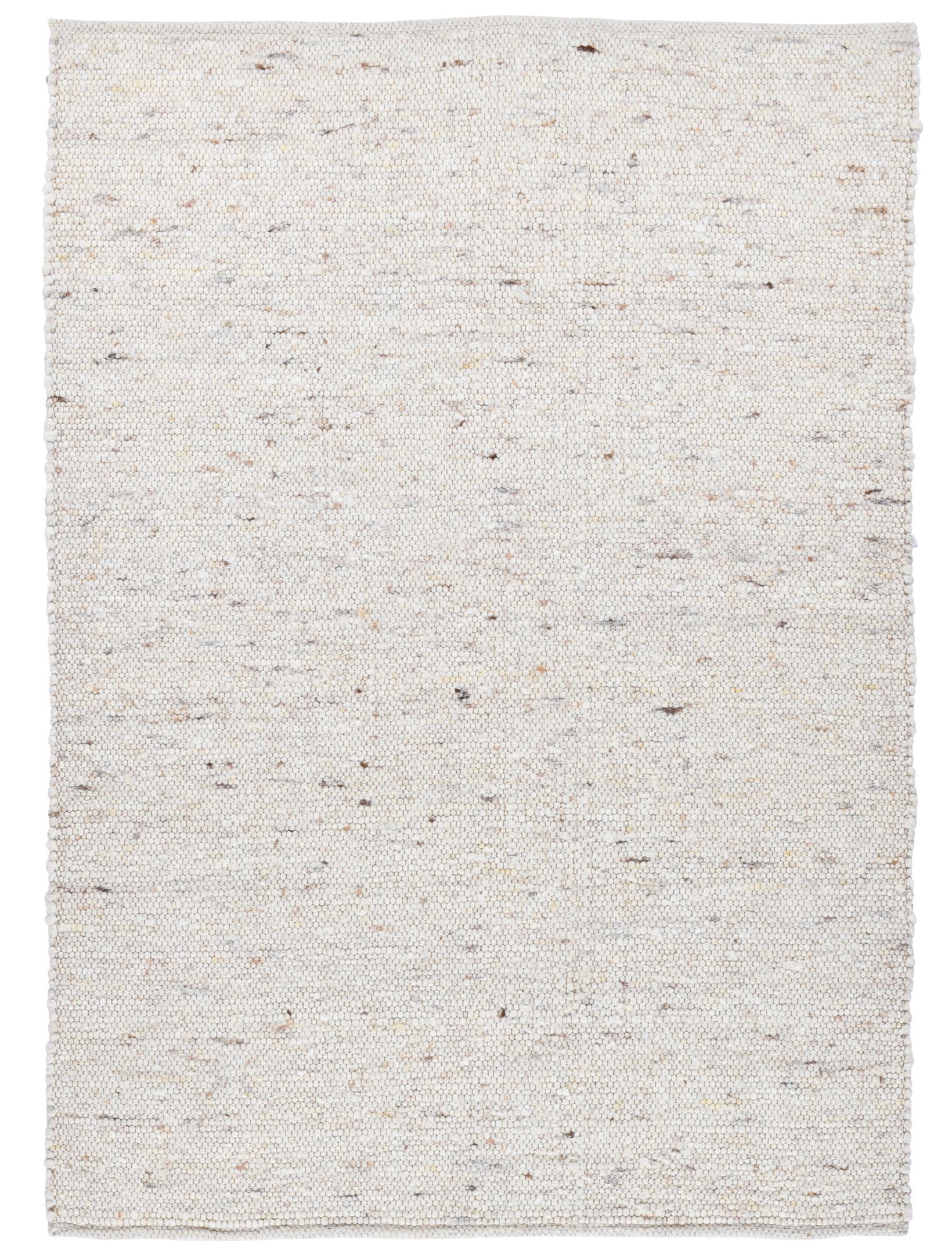
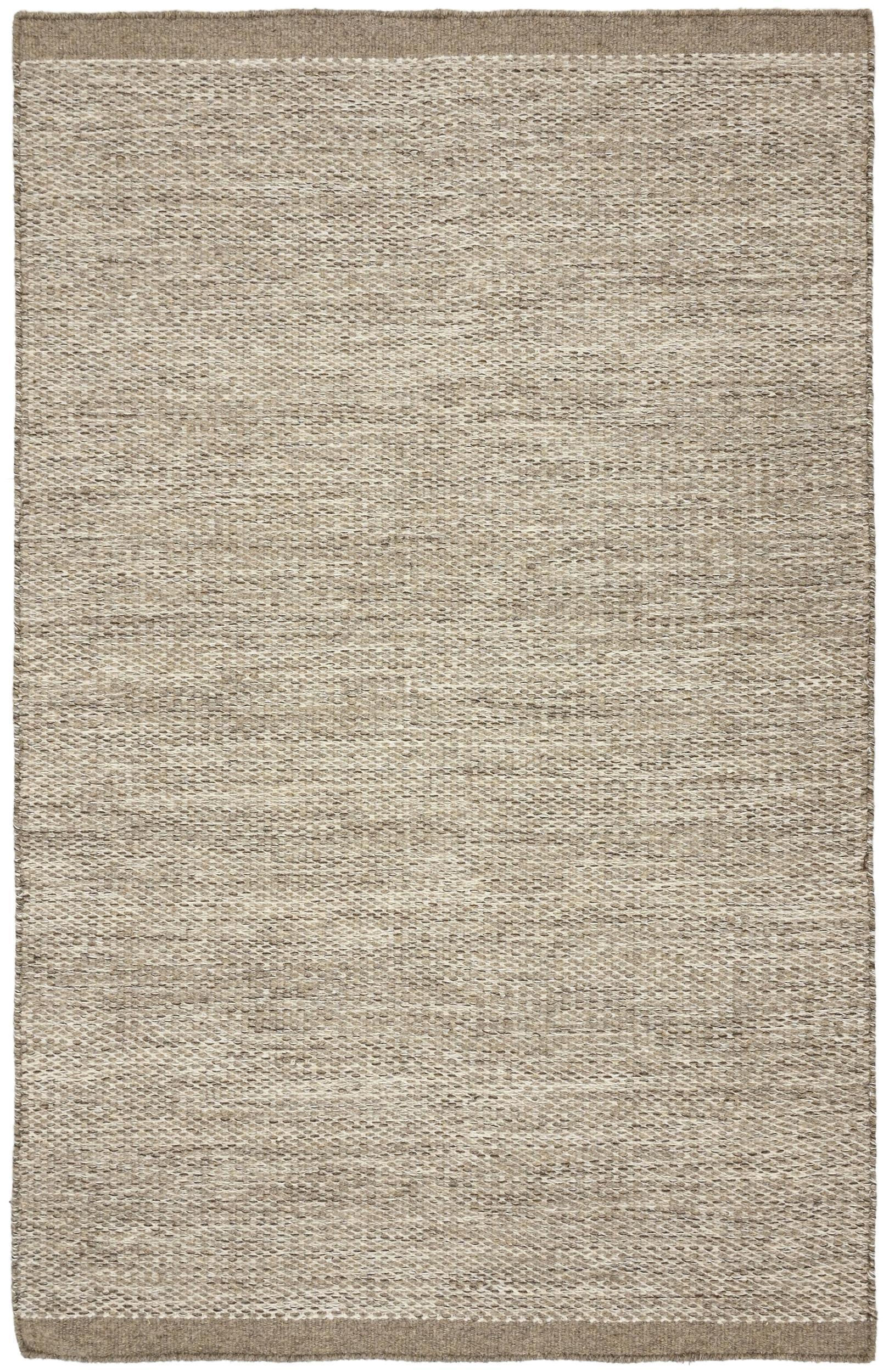
In practice: take a greige cotton rug as a neutral base, with a kilim pattern as the sole colorful focal point. The remaining colors stay muted. This creates the typical boho character, while the eye gets a resting point. A taupe rug or a greige rug is also an excellent base, as it is warm and understated at the same time and balances strong patterns in the room.
A rule of thumb for the color palette: earthy natural tones dominate, one to two accent colors are enough. The busier the pattern, the more restrained the furniture and walls should be.
What Defines a Rug in Boho Style: Patterns, Fringing, Texture
A boho rug is defined by three characteristics:
- Patterns: geometric or ethnically inspired motifs, ethno and tribal ornaments, patchwork or asymmetric designs. This provides the unconventional note.
- Fringing and details: fringe, tassels, and melange effects create the artisan-like aesthetic. Many models are handwoven or hand-tufted.
- Texture: rich structures such as high pile, woven surfaces, or high-low effects make the rug interesting to the touch as well.
The color palette ranges from calm natural tones to vivid, colorful combinations. Whether you go muted or bold depends on how much color is already present in the room.
Boho Rug Materials: Cotton, Wool, Jute Compared
The material determines the look, feel, and care. These three natural fibers are the most common:
- Cotton: pleasantly soft and easy to care for, great for heavily used areas. Ideal as a living room rug in a household with children.
- Wool: robust and long-lasting, comfortable underfoot and regulates moisture well. A warm choice for the bedroom.
- Jute: coarser texture with rustic charm, very hardwearing. Fits perfectly with the natural boho aesthetic, but is sensitive to moisture.
Synthetic fibers such as polypropylene and polyester are also used. Wool and jute are often biodegradable and renewable, which keeps the ecological footprint smaller than with purely synthetic rugs.
Combining Boho Rugs: Layering and Mix with Rattan and Wood
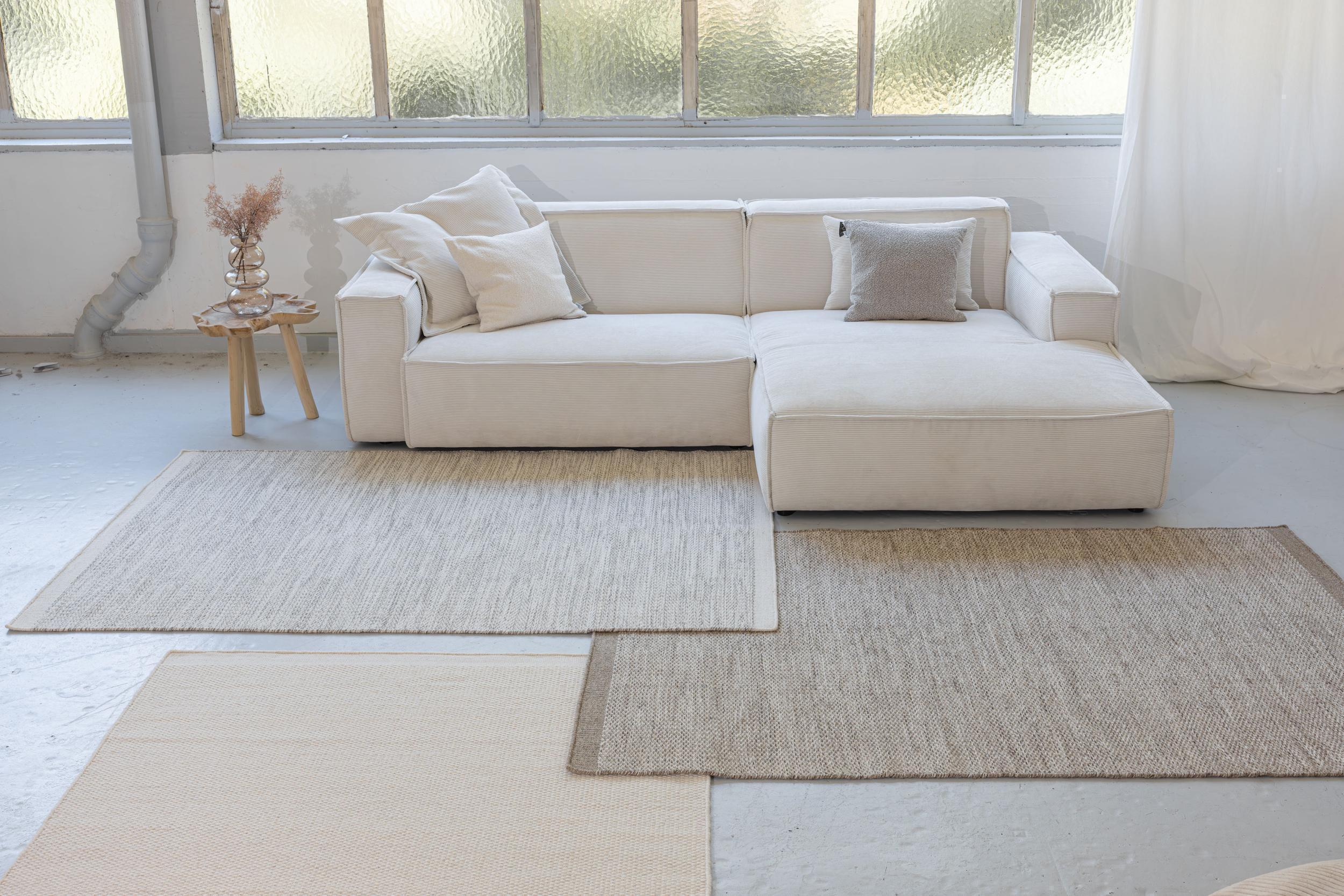
Layering is the classic boho move: several rugs on top of one another. To keep the look relaxed rather than chaotic, two points apply. The base is a rug in a neutral color, and the combination ideally consists of no more than three rugs.
An example that works immediately: a large, calm Scandinavian style rug as a base, with a smaller boho rug on top as a layering accent. This combines the clarity of the Scandinavian look with the warmth of the boho style.
The mix of materials in the room also contributes a great deal. Boho rugs combine well with rattan and wood, creating a cohesive, natural overall picture. Using colors in a coordinated way allows boho to be brought together with existing furniture and other styles. In our selection of designer rugs you will find models that work as a neutral base or as a statement piece.
Round or Rectangular Boho Rugs and the Right Size
Round rugs break up the straight lines of the furniture and bring dynamism to the room. A round boho rug with a 200 cm diameter in front of a three-seater is a good example: it suits most living rooms with a two- or three-seater sofa and dining tables with a diameter of 120 to 140 cm. Smaller round rugs from 100 to 150 cm work as an accent next to an armchair, side table, or bed; larger ones from 250 to 300 cm suit corner sofas and spacious dining rooms.
For rectangular rugs, the area determines the size:
- Small living room up to 20 m²: 160×230 cm or 200×300 cm.
- Large living room from 25 m²: 250×300 cm, 250×350 cm, or 300×350 cm.
- Dining room for 4 to 6 people: 200×300 cm with at least 60 cm overhang on each side, so the chairs stay on the rug when pulled back.
- Bedroom with double bed: 200×300 cm or 250×300 cm as a bedroom rug.
Important for the sofa: the rug should extend at least 15 cm beyond the sides, otherwise the furniture group looks cramped. If the sofa, armchair, and coffee table are all to stand fully on the rug, you need 250×300 cm or larger.
Boho Rug Care by Material
Care depends on the fiber; a boho rug is no different from other natural materials in this regard:
- Cotton: washable cotton rugs are washed according to the manufacturer's instructions on a gentle cycle with cold water, without bleach, and air-dried to protect the fibers and fringe.
- Wool: vacuum approximately once a week. For washing, use only wool-suitable products, no bleach and no vinegar.
- Jute: vacuum regularly without a brush attachment, dab stains with a slightly damp cloth. Avoid moisture, as jute can otherwise discolor or develop mold. A jute rug should also not be exposed to direct sunlight.
One point that often causes uncertainty: new wool rugs shed fibers at first. This typically reduces significantly over 1 to 6 months and is completely normal, not a quality defect. Do not remove the loose fibers with a brush, as this stresses the wool. Protruding threads can be trimmed with scissors without any concern. An anti-slip mat under the rug helps in two ways: it prevents the rug from sliding and cushions the impact when walking, which reduces fiber loss.
As a general rule: do not leave rugs in direct sunlight permanently and rotate them occasionally so they age evenly.
