










When Your Floor Plan Refuses to Pick One Function
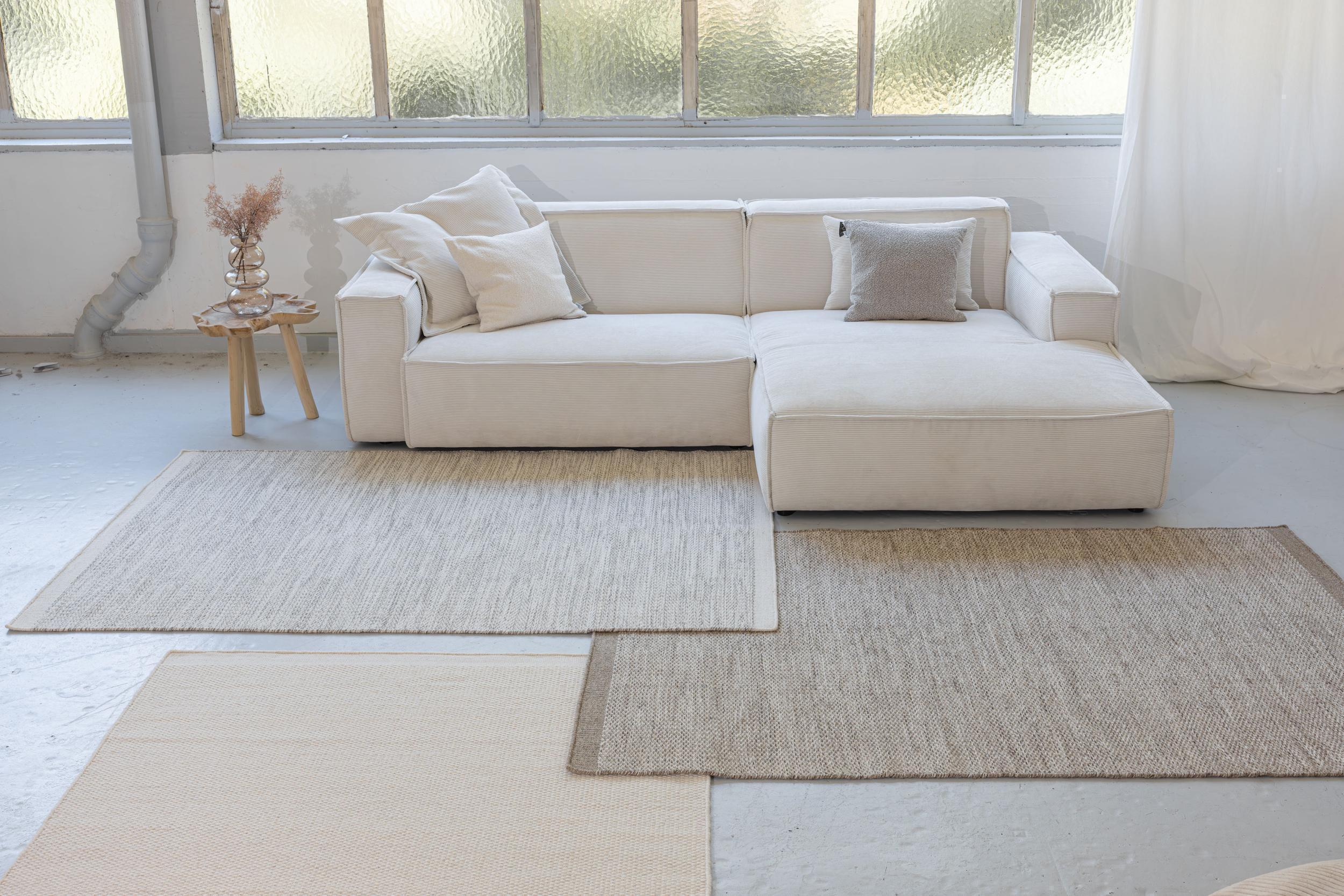
A 160×230 cm rug belongs in spaces that do more than one thing at once. It anchors your dining table in an open kitchen without claiming the cooking zone. It defines a seating area in front of your sofa while leaving room for pathways and storage. In the bedroom it creates a landing zone beside the closet or along the bed, the spot where you drop your bag at night and find your slippers in the morning. This size brings clarity to layouts that flow instead of compartmentalize.
The surface covers enough area for a four-person dining table, including the chairs when they're pulled out. In front of a two-seater sofa, the length leaves space for a coffee table without crowding. For context: A 120×180 cm rug often falls short for wider furniture arrangements. A 170×240 cm rug can overwhelm smaller rooms faster than you'd like. The 160×230 cm rug hits the balance between visibility and restraint.
Why This Format Works in Swiss Homes
We understand the housing spectrum here: heritage apartments with tall ceilings, new builds with open-concept layouts. Both need rugs that add definition without creating visual clutter. A 160×230 cm rug fits living-dining areas starting around 20 square meters, spaces where furniture can stand away from walls and claim their own territory. It thrives in rooms where cooking, eating, and lounging overlap but need separate identity.
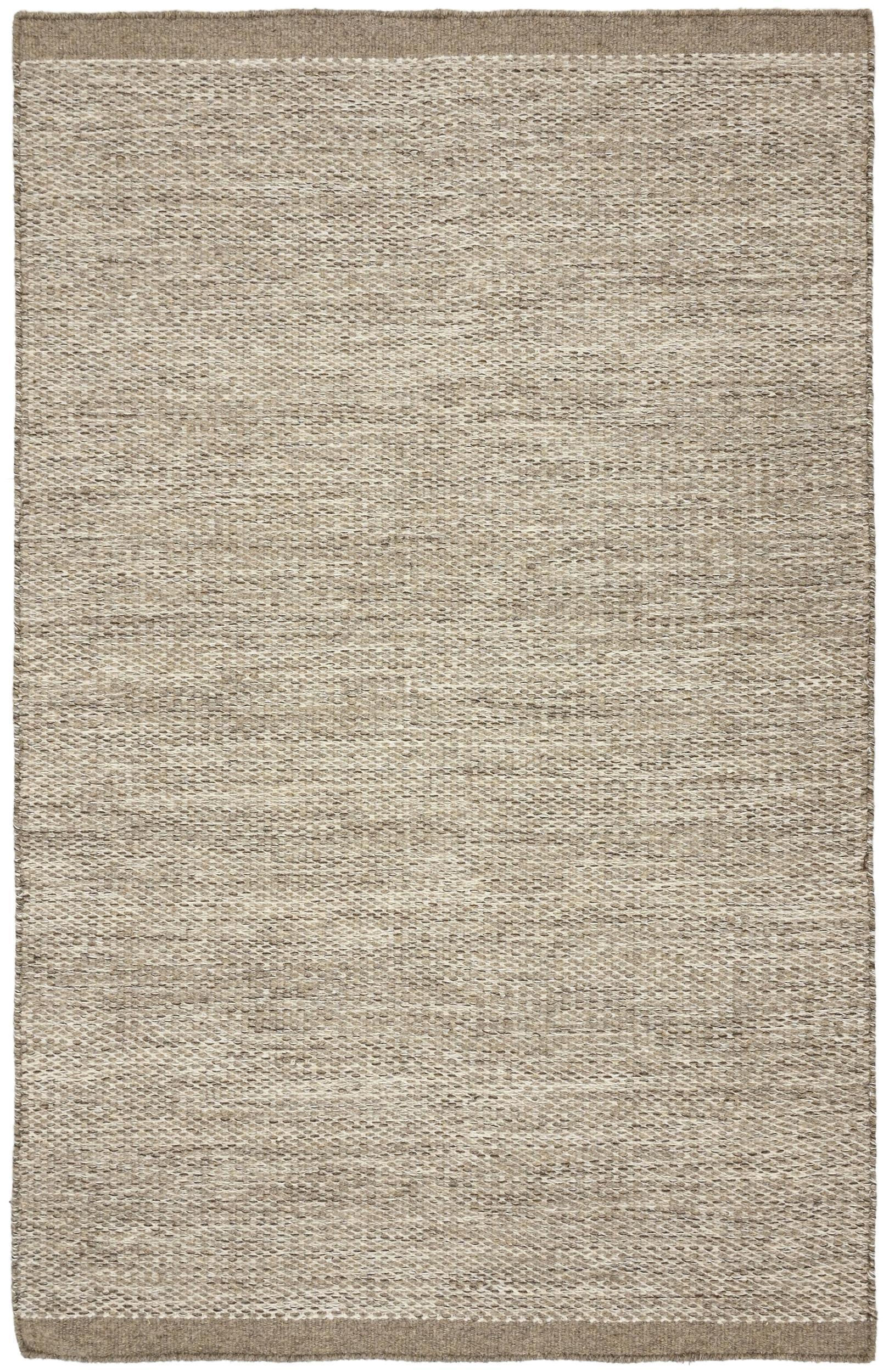
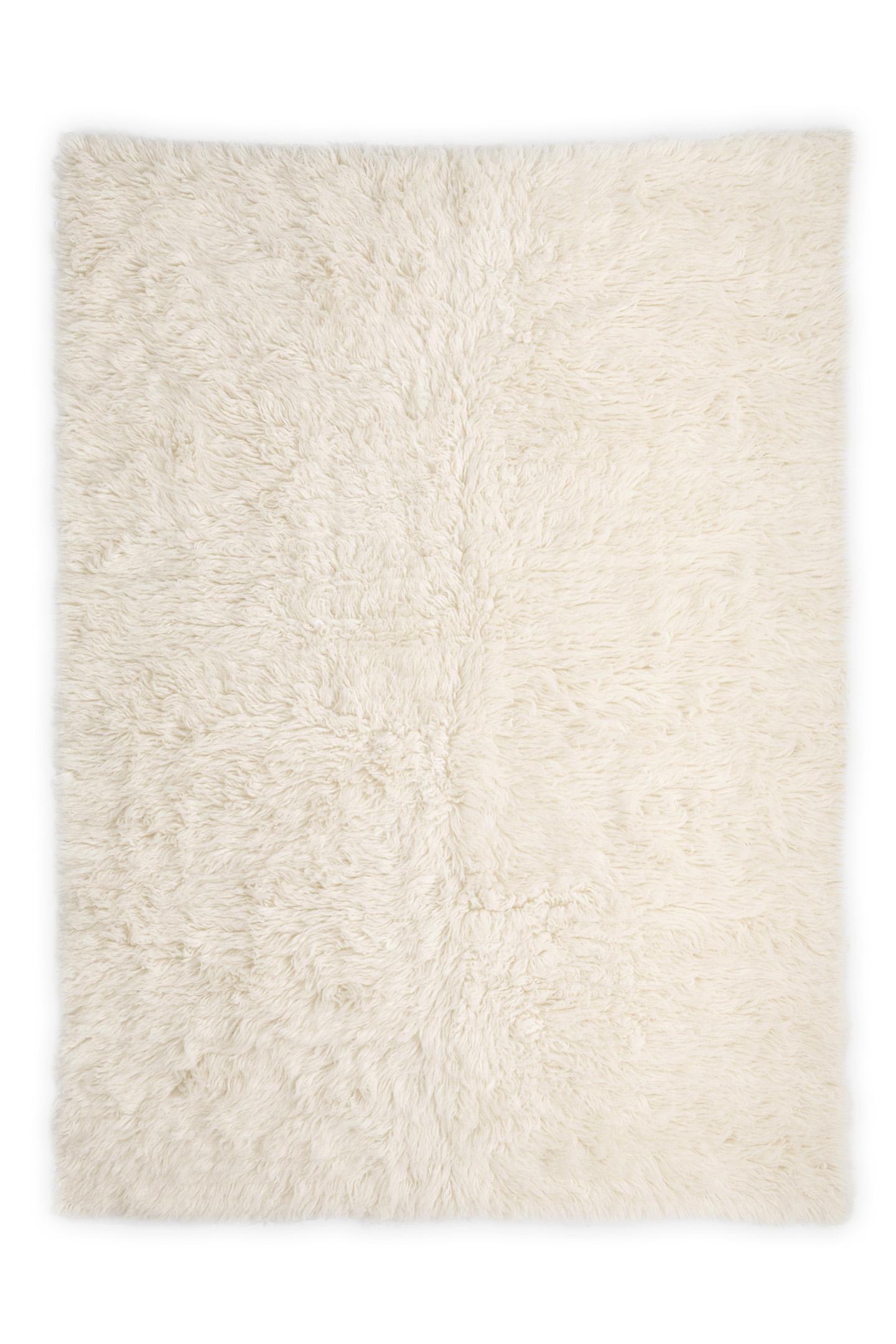
We stock this size in materials built for daily use: wool with tight weave, cotton for high-traffic zones, polypropylene for households with kids or pets. Each material brings its own texture, but they all share one trait: they hold up after regular use. Dense construction and resilient fibers make the difference between rugs that wear down and rugs that hold up.
How to Pick the Right Model
Start by asking which furniture will sit on the rug. For a dining table, make sure all four chair legs stay on the surface even when the chairs are pulled back. For a seating group, only the front legs of your sofa and armchairs need to touch the rug; the back legs can stay off. Leave at least 40 centimeters between furniture edges and room boundaries so the rug has breathing space instead of hugging corners.
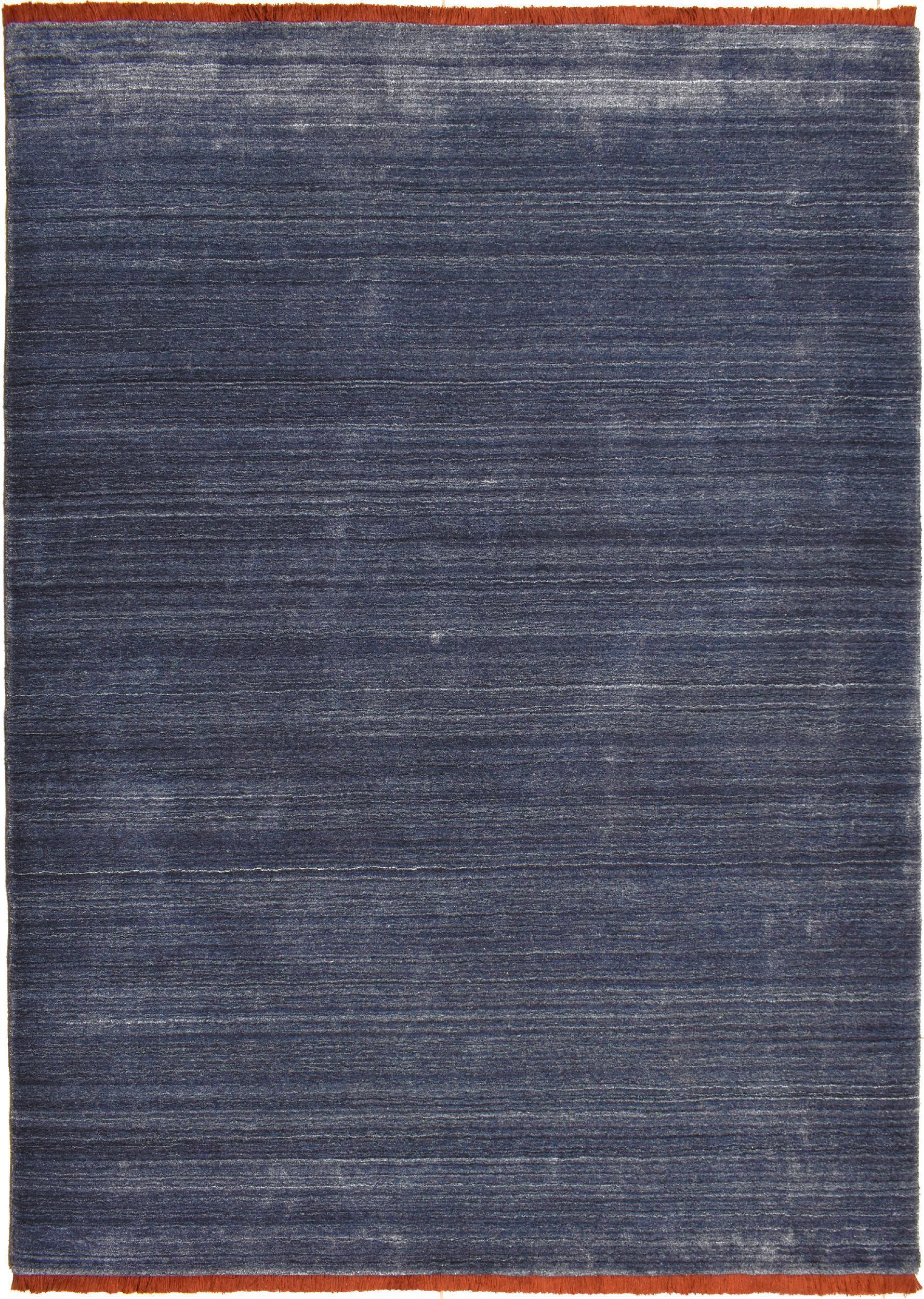
Color and pattern follow the mood you're building. A light solid rug makes the room feel larger, a darker geometric design adds extra structure. In rooms with strong daylight, the surface can handle bolder tones. In dimmer spaces, lighter shades keep the floor from disappearing. If you're unsure, order samples. Place them where the rug will eventually go and check them at different times of day.
Maintenance That Fits Real Life
A 160×230 cm rug usually sits where people actually spend time: under the dining table, in front of the sofa, next to the bed. Regular vacuuming handles most situations, once a week is enough for normal use. For spills: react immediately, blot from the outside in, never rub. Wool tolerates light moisture, cotton handles a bit more, polypropylene is the most forgiving.
Most of our rugs in this size work with underfloor heating. Check the material details in the product description. A non-slip pad underneath keeps the rug from shifting every time someone moves a chair, and it protects your floor from abrasion at the same time. A professional cleaning once a year extends the lifespan significantly, but it's not mandatory.
