


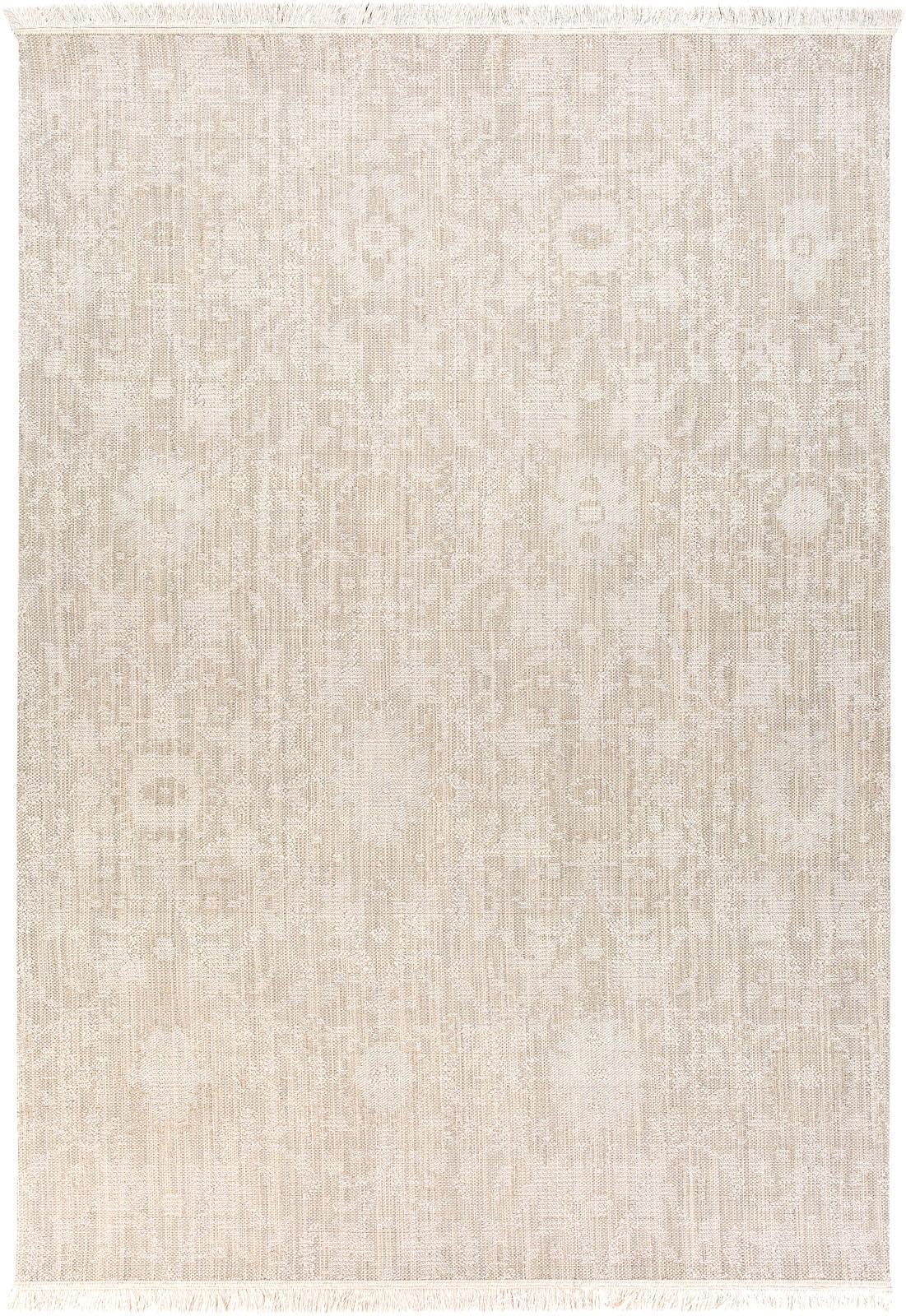


How Persian rugs anchor modern rooms
A Persian rug shifts how a room feels. The density of each knot, the color transitions that move from deep indigo to warm terracotta, the precision of geometric or floral compositions create a stillness that contemporary materials rarely achieve. Each knot is set by hand. Each pattern follows a logic passed down through generations of artisans. Buying a Persian rug means bringing home a craft that required time, patience, and skill.
In modern interiors, Persian rugs work as visual focal points. A tightly knotted medallion pattern gives structure to open floor plans. Floral borders soften angular architecture. The warm reds, blues, and beiges of plant-dyed wool add depth where pale walls and clean lines dominate. Persian rugs fit contemporary spaces because they offer contrast that feels right.
What makes an authentic Persian rug recognizable
Persian knotting shows itself in execution. High knot density allows sharp contours and clear details. Plant-dyed wool produces colors that mature over years and shift in changing light. The combination of sheep's wool in the pile and cotton in the foundation provides stability and durability. This material choice reflects centuries of accumulated knowledge.
Different regions produce distinct visual languages. Tabriz rugs often feature symmetrical medallions and refined borders. Isfahan pieces are known for tightly knotted floral compositions and high knot counts. Gabbeh rugs from the Zagros region work with bolder, more abstract forms and stronger colors. Each origin carries its own design logic, visible in pattern structure and color choices.
Where Persian rugs bring their quiet strength
A large-format Persian rug adds material warmth under modern sofas and softens footsteps. Its surface creates a zone that holds the room together. Under the dining table, it defines a deliberate area that frames meals. In the bedroom, the soft wool surface feels good underfoot in the morning, making the start of the day calmer.
Runners with continuous borders structure long spaces and handle heavy use. The combination of precise knotting and robust wool makes them practical for everyday life. Persian rugs work anywhere material and longevity matter, and they bring an atmosphere that makes rooms feel more intentional.
What to look for when buying Persian rugs
Knotting precision reveals detail richness and the time invested. Higher knot counts enable finer patterns, lower counts produce bolder, more graphic compositions. Both approaches have merit. More important than the number itself is whether the pattern is executed cleanly and whether the back shows careful work.
Colors should feel vibrant, not harsh. Plant-dyed wool shows natural variation and wear that adds to its character. Chemical dyes often look more uniform but can fade over time. The feel matters too: an even, compact pile indicates careful knotting. Size depends on room function. Under seating groups, the rug should hold all furniture legs. As an accent piece, a smaller surface that punctuates the space works well.
