








Buying a sustainable rug: what really matters
Sustainability in a rug begins long before the label. Material, craftsmanship, origin and lifespan determine how meaningful a choice truly is. A rug that stays beautiful for fifteen years, is well made and suits your home is often ecologically more valuable than a cheap product with a green promise on the packaging. At Homerugs you will find rugs where these criteria come together.
Which materials are sustainable in rugs?
The choice of material is the first and most important step. Not every natural fibre suits every room, and recycled fibres are also a serious option. Here is an honest overview:
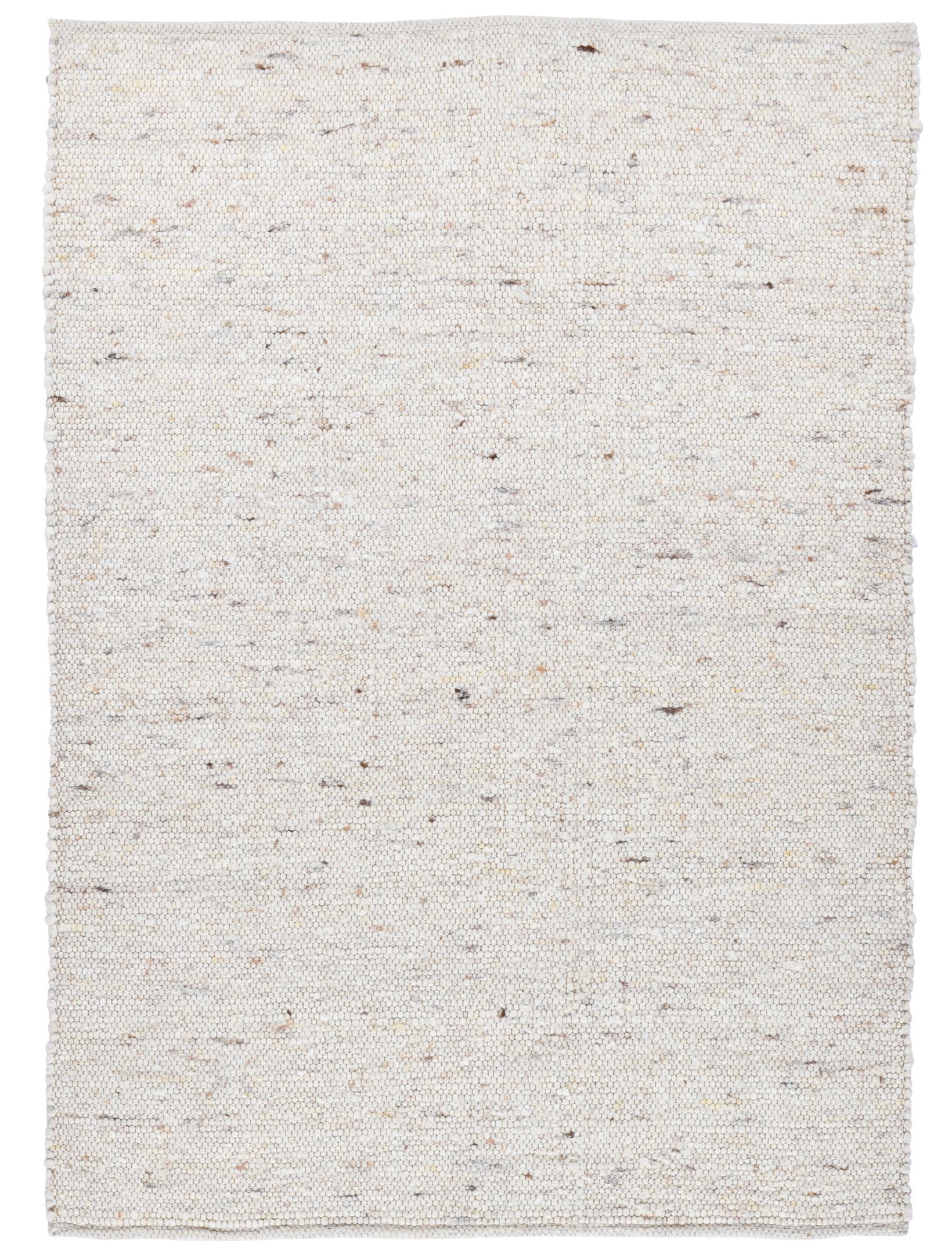
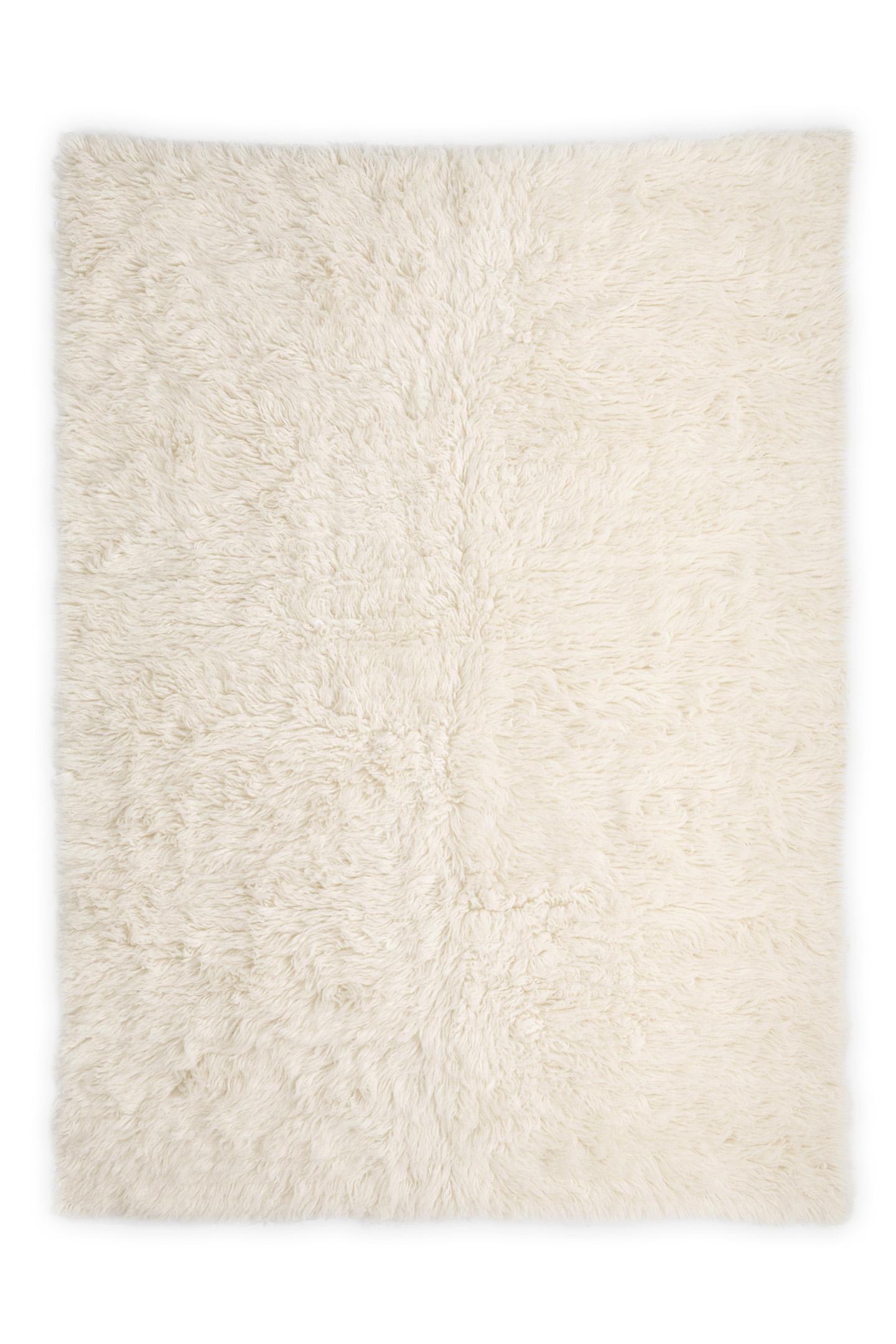
- Virgin wool: The classic among sustainable fibres. Wool is renewable, naturally dirt-repellent, durable and pleasant in living spaces. A high-quality wool rug lasts decades with proper care.
- Jute: The jute rug is a plant-based fibre with low resource consumption. It brings warm, natural looks to any room and is well suited to areas with little moisture exposure.
- Sisal: The sisal rug stands out for its exceptional durability. The agave fibre is robust, natural and handles heavy foot traffic well, making it ideal for hallways and living areas.
- Cotton: Soft, easy to care for and kind to the skin. With controlled organic cultivation, significantly more resource-efficient than conventional variants.
- Recycled fibres: Rugs made from recycled material conserve raw materials and, with high-quality craftsmanship, can be just as durable as new goods. Harmful substance testing is particularly important here.
All these materials have one thing in common: as a natural fibre rug or as a tested recycled rug, they provide an honest basis for a conscious purchasing decision.
Why longevity is the most important sustainability factor
The most sustainable rug is the one that lasts. Every production process costs resources, water and energy. A rug replaced after two years consumes these resources twice. A well-made rug from robust materials that remains in use for ten or fifteen years has a significantly better ecological footprint than a cheap model with a short lifespan. A conscious choice is therefore often more sustainable than a cheap purchase.
Which rug certifications are trustworthy?
Certifications provide orientation, but require some context. OEKO-TEX Standard 100 tests for health-relevant harmful substances and is a good sign for tested materials. It says nothing about ecological production or fair working conditions. The GOTS certificate (Global Organic Textile Standard) includes ecological and social criteria and is considered more comprehensive. Fair Trade labels relate to production conditions and fair wages. No single certification covers everything. What is meaningful is the combination: tested materials, transparent origin, fair production and traceable craftsmanship.
Sustainable rugs for every room
Sustainability and a sense of home complement each other. Natural materials bring a calm and quality to a room that synthetic fibres rarely achieve.
- Living room: Wool rugs and jute rugs create a warm, inviting atmosphere. Both materials are durable and visually versatile.
- Bedroom: Soft wool or cotton rugs are pleasant underfoot and harmful-substance-tested for a healthy sleeping area.
- Dining room: Durable natural fibres or easy-care recycled rugs are well suited to areas with frequent chair movement and the risk of stains.
- Hallway: Sisal and robust jute qualities handle heavy foot traffic while remaining natural and attractive.
- Children's room: Harmful-substance-tested materials are the highest priority here. Soft wool or organic cotton rugs are a good choice.
- Outdoor: Recycled rugs made from weather-resistant fibres are a sensible option for balconies and terraces.
Easy-care natural rugs for everyday life
Natural fibres are sometimes considered delicate, but this is not universally true. Wool is naturally dirt-repellent and forgiving of small mishaps. Sisal and jute should be protected from prolonged moisture, but hold up well under normal household use. Regular vacuuming, occasional airing and quickly absorbing spills are the most important care measures. Looking after your rug considerably extends its lifespan and therefore its ecological value.
Sustainable rug or greenwashing: how to tell the difference
Vague promises such as "eco-friendly", "green" or "natural" without concrete evidence are a warning sign. A credibly sustainable rug names the material precisely, states the origin of the fibres, has verifiable certifications and provides information about the production facility. If all this information is missing and only a green label is visible, it is worth looking more closely. Genuine quality explains itself.
Why a high-quality rug is often the better ecological choice
A higher price requires an explanation that goes beyond material costs. Fair wages in production, skilled craftsmanship, high-quality raw materials and thorough quality testing cost more. Whoever buys this rug pays more once and does not need to replace it for many years. Calculated over the period of use, this is often the more economical and certainly the more ecologically sensible choice. Sustainability in this sense is not a surcharge, but part of the calculation.
