Buy a rug bridge: the small rug for cold floors in the hallway and bedroom
Buy a rug bridge: What the cold floor in the morning has to do with the question
The alarm goes off, you throw back the covers, and then comes that one moment: a bare foot meets cold tiles. In older buildings, this can feel really unpleasant in winter. That is exactly the moment when the question becomes practical, whether you should buy a rug bridge. A rug bridge is a small, elongated rug that lies where you walk barefoot every day, bringing warmth and a soft step underfoot.
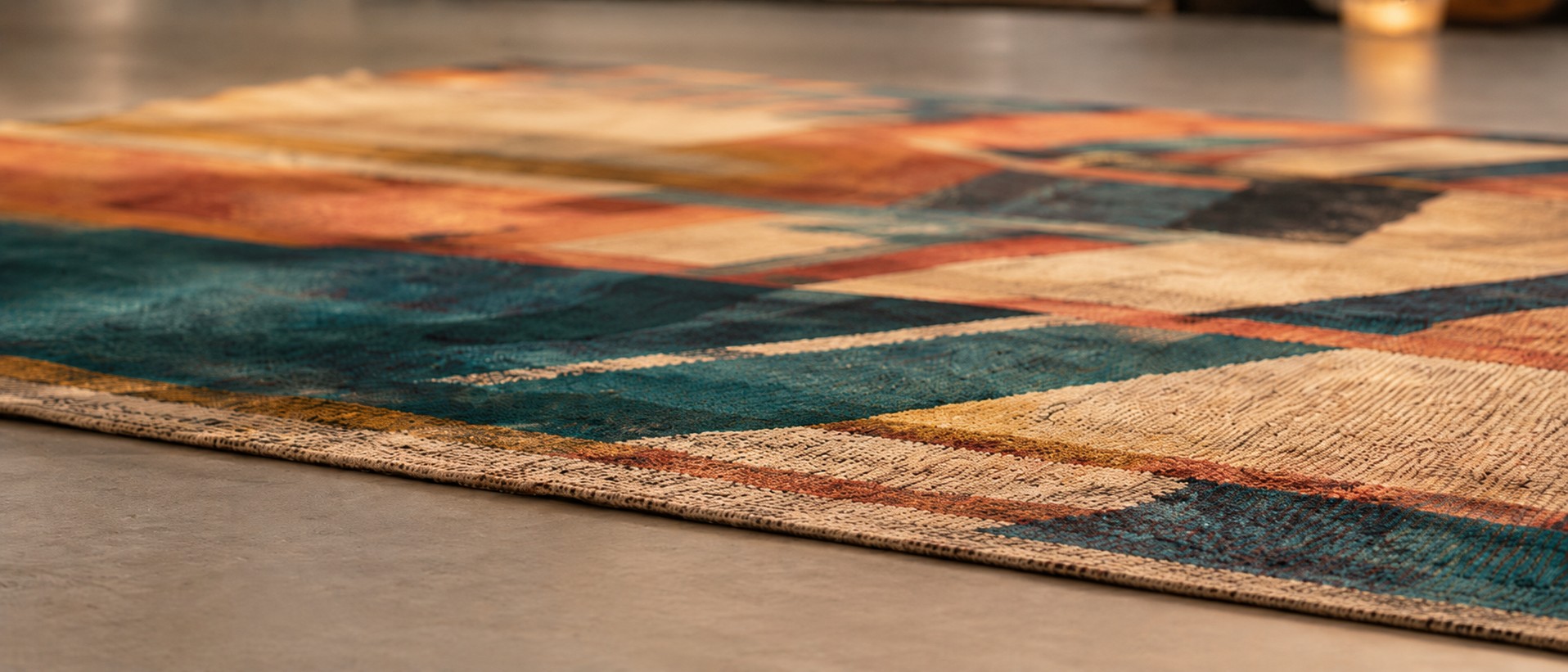
The term sounds more technical than it is. Originally, a bridge served to span open floor areas or the gap between two larger rugs. Today the word simply refers to a compact rug that deliberately covers a path or a spot: beside the bed, in the corridor, or in front of a small seating area.
Why a rug bridge stays a small rug and not a room-filler (rug bridge vs runner)
The rug bridge belongs to the family of small formats. Anyone who wants to cover an entire room reaches for a large rug. Anyone who wants to address a specific area takes the bridge. That is the simple dividing line.
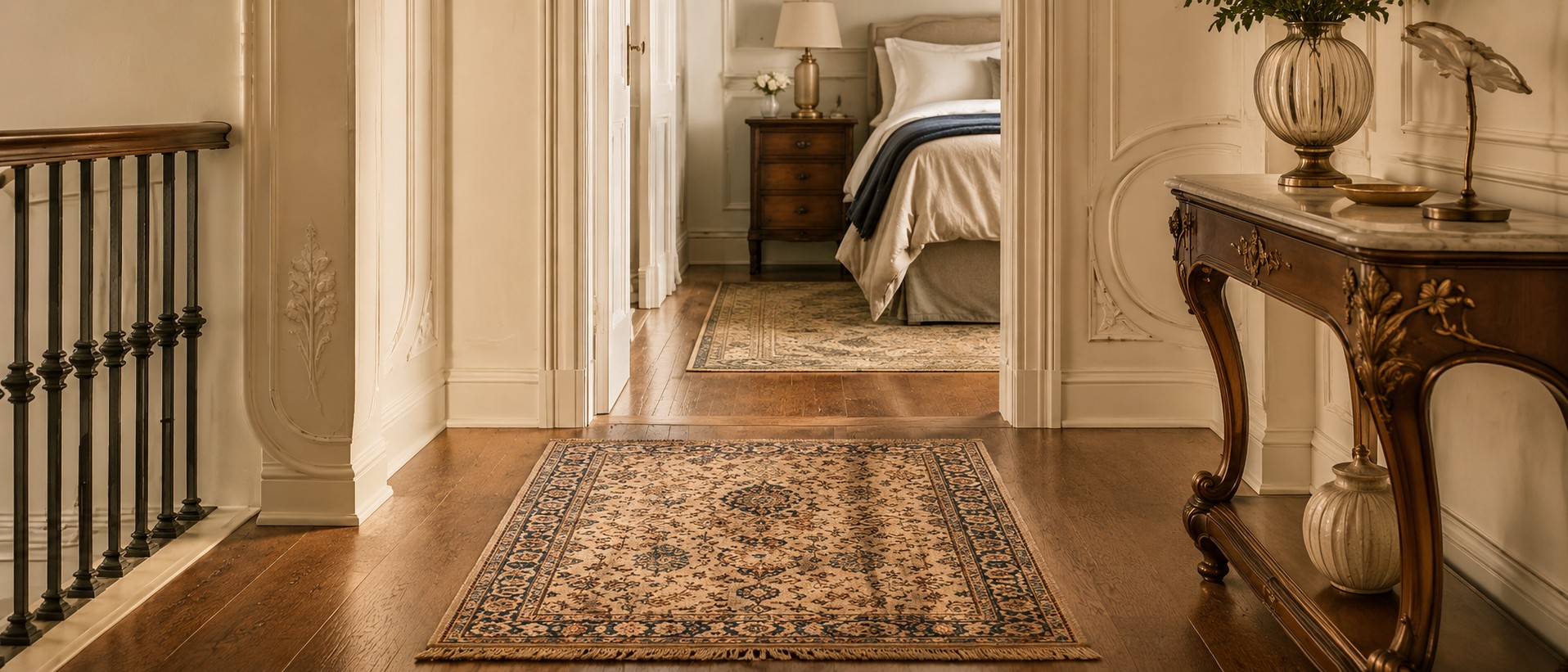
When comparing rug bridge vs runner, the difference is mainly about shape. A runner is elongated and narrow and often lies in the corridor or along a long passage. As a hallway runner or corridor rug, it stretches over a certain distance. The rug bridge tends to be shorter and serves to span a manageable area between living zones. In practice the terms overlap: a hallway rug can also be cut from broadloom to a shorter length and used as a bridge.
As a rough rule of thumb: a runner thinks in length, a bridge thinks in place. Both remain a small rug, not a wall-to-wall carpet.
Warmth and footfall noise: What the bridge delivers underfoot
The most important benefit is felt the moment you stand on it. A small rug insulates the cold floor and turns the spot into a more pleasant place to be. It also dampens footfall noise in the room, which makes a real difference in apartments with thin walls and floors.
There is also practical protection. In the hallway you walk the same route every day, often in street shoes. A sturdy hallway rug catches dirt and protects the floor covering along the traffic paths. Warmth, sound absorption, and protection therefore come together in the same narrow piece.
Rug bridge bedroom: Where the small rug lies beside the bed
In the bedroom, much is decided at the edge of the bed. Anyone who steps out of bed barefoot in the morning and lands on cold tiles in an older building immediately understands why a rug makes sense here. A good solution is two bridges in the 70x140 cm format, one on each side of the bed, as a warm start to the day.
A small rug also works well in front of the dresser in the dressing area. That is exactly where you often stand still for a few minutes while getting dressed, and a soft surface is more comfortable than the bare floor. The important thing is that the bridge matches the path you actually walk, rather than lying around decoratively somewhere.
Material by use: From virgin wool to polypropylene
The right material depends on how heavily the spot is used and what matters to you.
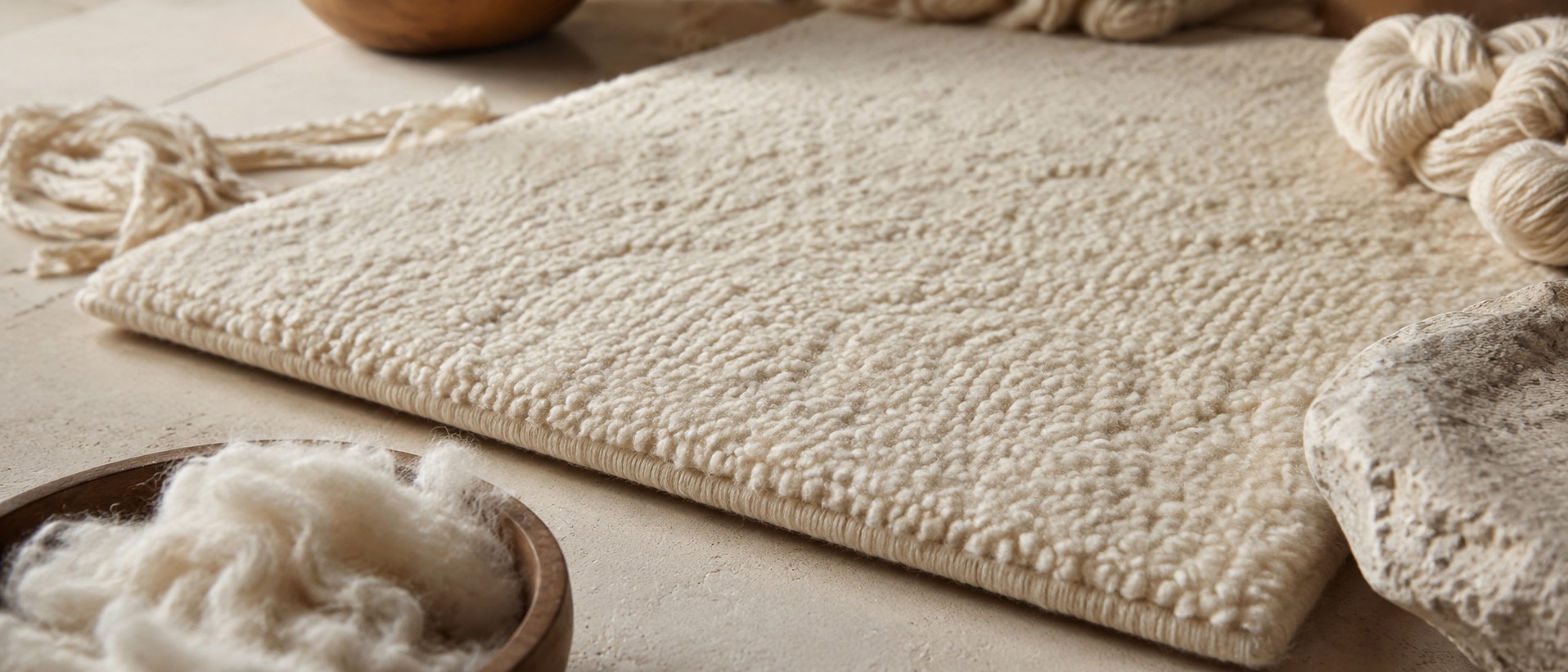
- Virgin wool: insulates warmth well and additionally regulates room humidity. For the bedroom a very fitting choice if warm feet in the morning are important to you.
- Wool in general: breathable, hard-wearing, warm underfoot, and sound-absorbing.
- Cotton: soft and often washable, making it practical for areas that get dirty more quickly.
- Synthetic fiber such as polypropylene: affordable, easy to care for, and resilient. This makes it a good choice for heavily used areas such as the hallway.
- Sisal: best avoided beside the bed, because moisture can cause stains or distortion of the material with sisal.
In short: in the bedroom warmth counts, in the hallway durability counts.
Safe footing on parquet and tiles: The non-slip question
Small rugs such as runners and bath mats tend to slip on smooth floors. The smoother the surface, the less grip a simply laid rug has. On parquet, tiles, or marble this quickly becomes a tripping hazard.
There are two proven approaches. First, a non-slip backing that provides secure grip on smooth floors. Second, a separate anti-slip mat that you place under the bridge. It increases the friction between the rug and the floor and prevents sliding as well as the formation of creases. Both can also be combined when a path is heavily used.
Everyday care: What the K-Tipp report on stain removers shows
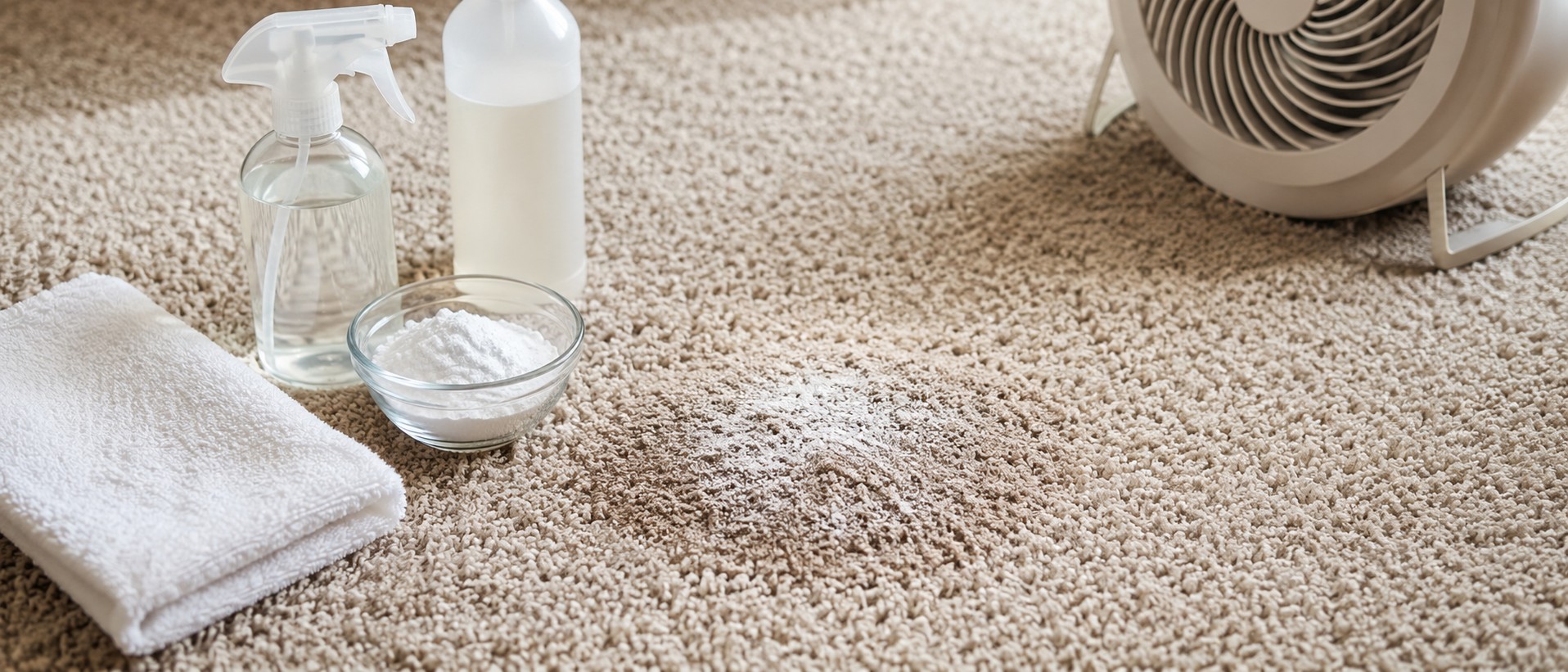
Care depends on the material. Cotton is often washable, wool and virgin wool require more gentle handling, and with sisal you should consistently avoid moisture. Regular vacuuming remains the foundation in every case.
With stains, a realistic view is worthwhile. A test by K-Tipp showed that no cleaning product could remove all types of stains; only two products performed well overall. The lesson: act quickly, first lift the stain rather than rubbing it in, and do not expect miracles from a single product.
FAQ
What is a rug bridge?
A rug bridge is a small, elongated rug that covers a manageable floor area. Traditionally it spans the gap between two larger rugs. Today the term refers to a compact rug for a specific spot or path, such as beside the bed, in the corridor, or in front of a seating area. It always remains a small rug and does not cover an entire room.
How do I position a rug bridge in the bedroom?
Best placed where you stand barefoot. Two bridges in the 70x140 cm format, one on each side of the bed, give you a warm step in the morning, especially on cold tiles in older buildings. A small rug is also pleasant in front of the dresser in the dressing area, because that is where you stand still while getting dressed.
What size does a typical rug bridge come in?
Classic formats are narrow and elongated, such as 60x100 cm or 70x140 cm. 70x140 cm is considered a typical bridge size that visually structures the floor without overpowering the room. Cut from broadloom, a runner can also be trimmed to a shorter length and used as a bridge.
How do I make a rug bridge non-slip on parquet?
With a non-slip backing or a separate anti-slip mat. Small rugs tend to slide on smooth floors such as parquet, tiles, or marble. A non-slip backing provides secure grip; an anti-slip mat placed underneath increases friction and prevents sliding as well as the formation of creases. For heavily trafficked paths you can combine both.
Which material keeps feet warm in the bedroom?
Virgin wool. It insulates warmth well and additionally regulates room humidity, which makes it particularly suitable for the bedroom. Wool in general is warm, breathable, and sound-absorbing. Sisal is best avoided beside the bed, because moisture can cause stains or distortion of the material with sisal.