Rug Trends 2026: Natural, Textured and More Homely Than Ever
The Rug as a Floor Statement: Why 2026 Is a Special Year
After years of smooth floors and cool minimal aesthetics, the desire for warmth, tactility and personality is returning to living spaces. The rug is at the centre of this development. It is far more than a floor covering: it zones open-plan layouts, improves room acoustics, creates comfort underfoot and, depending on the choice, sets a deliberate design statement. In 2026, the focus is less on loud fashion trends and more on a quiet, considered enhancement of the home. Choosing a rug with purpose means choosing atmosphere.
Trend 1: Natural Colours with Depth
The most important colour statement for 2026 is: a calm palette, but with genuine character. Beige rugs, sand, cream, taupe and greige remain the reliable base. They harmonise with wooden floors, stone surfaces, linen curtains and modern sofas, making rooms feel more serene.
Alongside these, warm earth tones such as terracotta, cognac and chocolate brown are gaining importance. Moss green, soft petrol and muted blue tones add depth without dominating. Design magazine AD also identifies elegant, bolder tones such as violet and sky blue as a deliberate statement direction. The practical conclusion: a neutral colour choice forms the safe foundation, while a deep accent tone lends personality.
Trend 2: Natural Materials and Conscious Material Choices
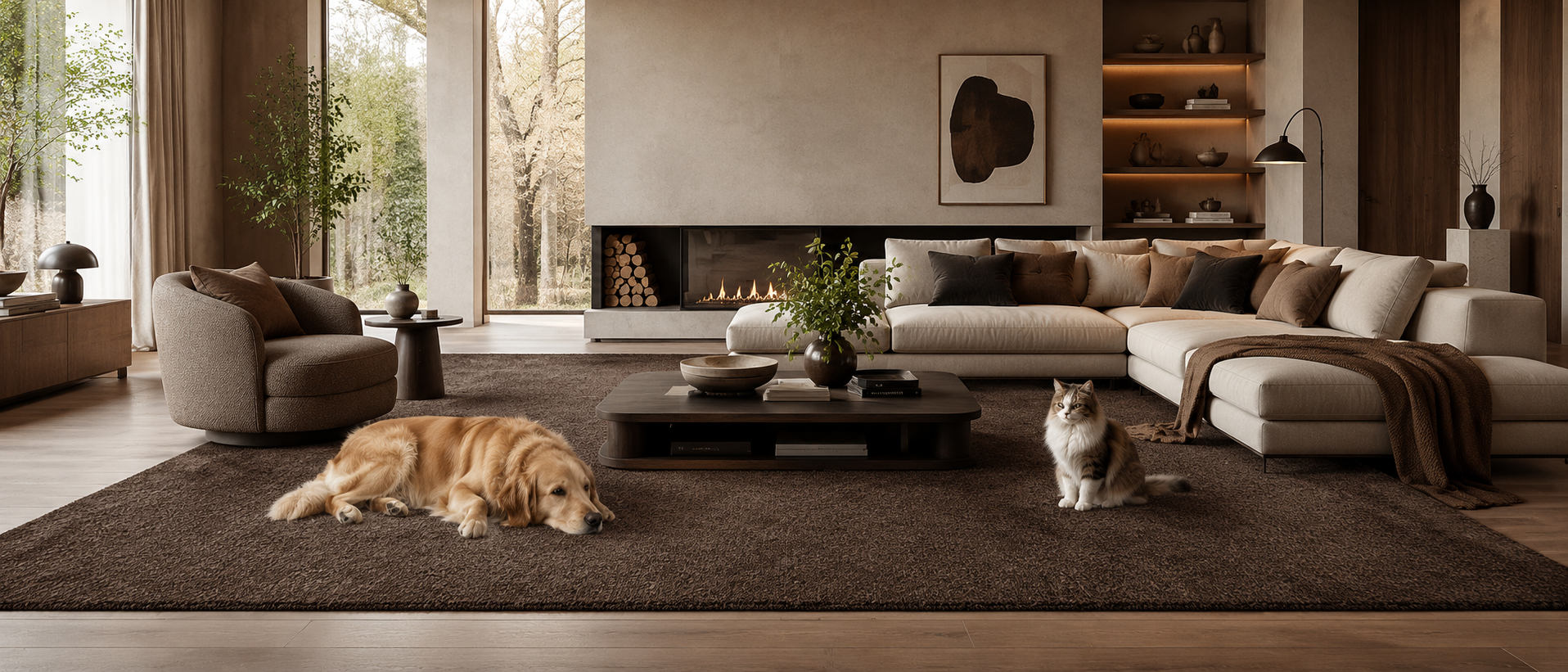
In terms of materials, 2026 is entirely defined by natural fibres. The wool rug remains the premium classic: wool is durable, resilient, pleasantly soft and creates a particularly homely atmosphere. For living rooms and bedrooms, it is the first choice when comfort and longevity matter equally.
Alongside this, natural fibre rug variants made from jute, sisal, hemp and cotton continue to grow in popularity. A jute rug brings rustic elegance and a fine natural texture to any room. A sisal rug impresses with its hardwearing structure and a clear, pared-back look. Important to know: both are antistatic and easy to care for in dry areas, but react more sensitively to moisture and heavy staining than synthetic fibres or outdoor materials. For kitchens, dining areas or households with pets, easy-care synthetic fibres are the more practical choice.
Recycled and sustainably produced fibres are also gaining significance. Those who pay attention to origin and production when buying a rug make a decision in 2026 that convinces both aesthetically and ecologically.
Trend 3: Structure and Texture Instead of Smooth Surfaces
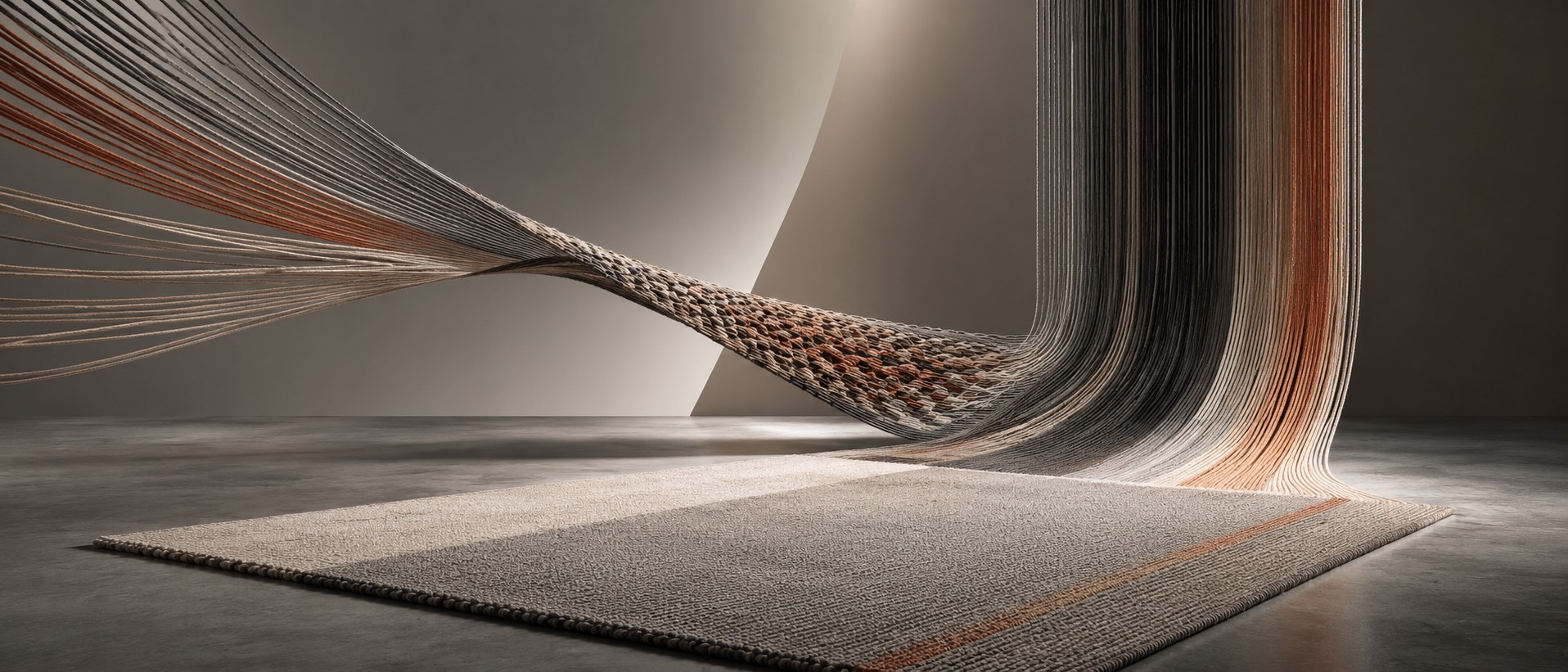
One of the strongest interior design trends of the year is called "Texture Maxxing": surfaces should not only look good but feel good. For rugs, this means moving away from flat, uniform weaves. High-low effects, tufted surfaces, relief patterns, bouclé looks and hand-woven irregularities give a room depth and sensuality.
Particularly in the living room rug and in the bedroom, such surfaces unfold their effect. A soft, textured rug transforms the floor into a tactile experience and contributes significantly to the sense of calm in a room.
Trend 4: Vintage and Craftsmanship with a Modern Perspective
The vintage rug is undergoing a reappraisal in 2026. In demand are washed oriental patterns, modernised Oushak aesthetics, used looks and hand-knotted individual pieces with history. The key difference from classic stuffiness: a vintage rug today works as a deliberate stylistic contrast to clean sofas, modern wood and stone surfaces and pared-back furniture.
It brings character to contemporary spaces and makes clear that interior design may have a personal signature. High-quality, handcrafted pieces come across as far more individual than industrially produced mass-market goods.
Trend 5: Graphic Patterns as Visual Anchors
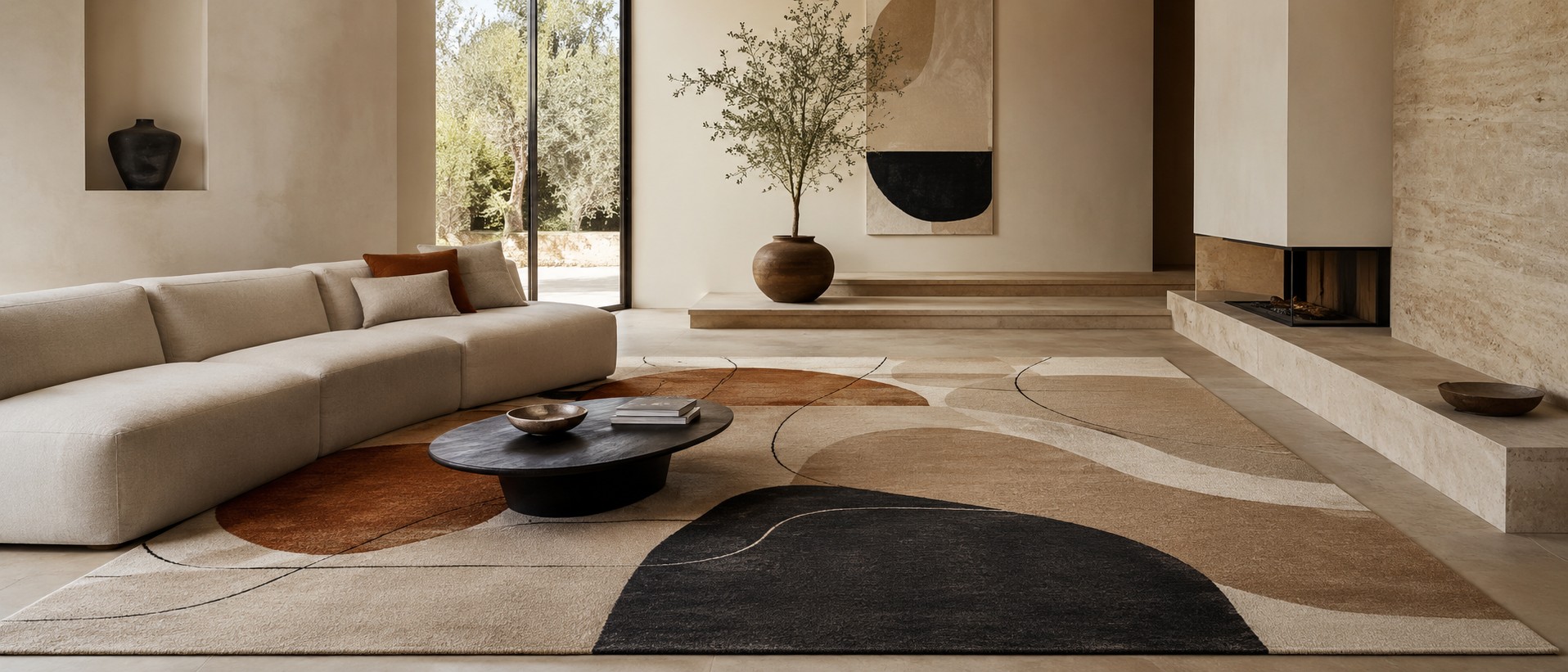
Geometric shapes, clean lines, abstract designs and large-scale patterns turn rugs into genuine floor statements. Combined with high-low effects, the result is reminiscent of graphic works of art. Graphic rugs need space and understated furniture. They unfold their strength in large living areas with a restrained colour palette and clean sofa forms.
Trend 6: Outdoor Rugs Become Homely
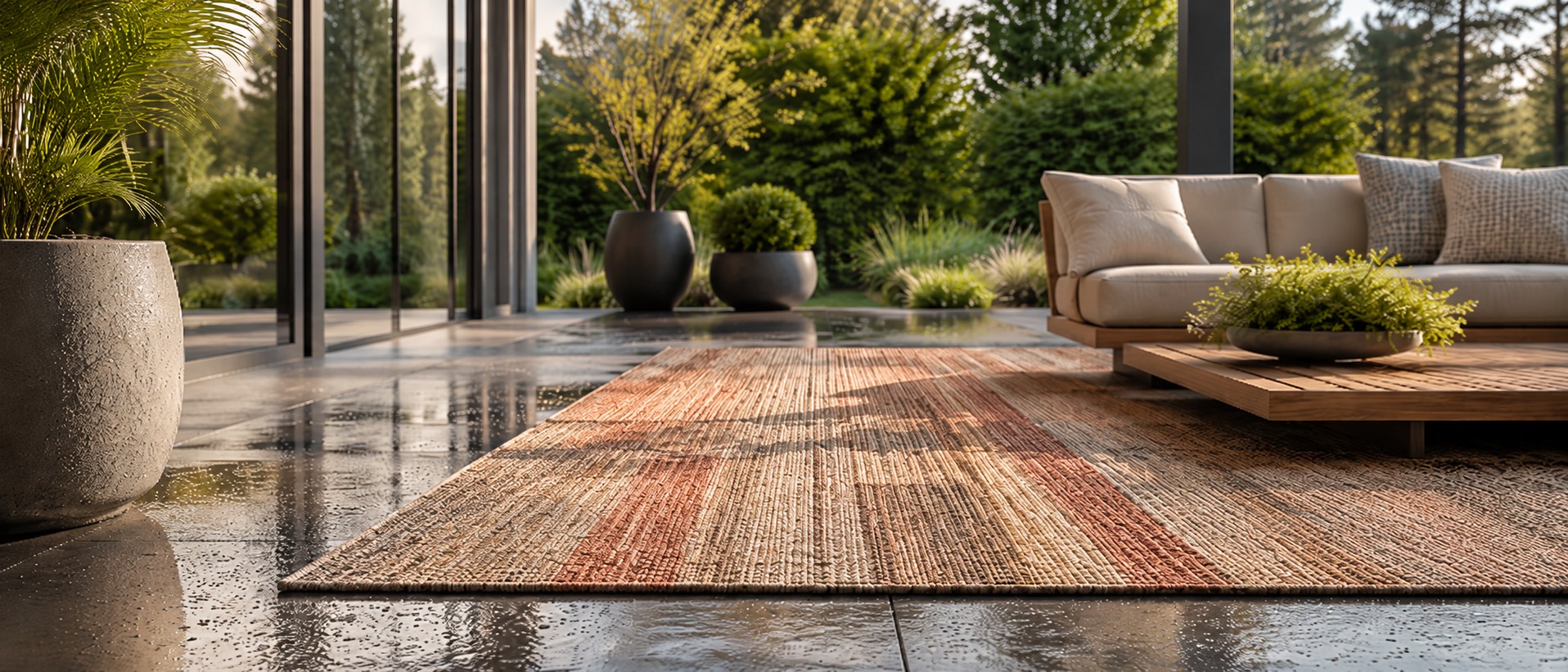
Balconies and terraces are increasingly being designed as fully-fledged living spaces. The outdoor rug is a central element in this: it transforms a plain concrete surface into a cosy open-air living room. In 2026, the focus is on rugs that feel homely while reliably withstanding moisture, UV light and everyday use.
An interesting insight for interior design: many outdoor rugs also work excellently in hallways, kitchens, dining areas or children's rooms. Wherever easy care and robustness come first, they are a practical and visually appealing solution.
Trend 7: Large Rugs and Deliberate Room Zoning
One of the most common interior design mistakes is a rug that is too small. In 2026, the understanding is gaining ground that a rug should bring the sofa, armchairs and coffee table together as a visual unit. Large rugs connect furniture groups, make rooms more homely and reduce footfall noise in period buildings and open-plan layouts.
In the dining room, a rug works as a clear island for the table and chairs, dividing an open living and dining area without a partition wall. Round rugs are also gaining in importance: they break up the rigidity of rectangular floor plans and bring a soft, inviting note to the room.
Buying Guide: The Right Rug for Every Room
Living Room
In the living room, the overall effect of the furniture group takes centre stage. The rug should be large enough to visually connect the sofa, armchairs and coffee table. Wool and textured surfaces provide comfort and homeliness. In a lively setting, neutral colours and strong textures harmonise well. In a pared-back interior, a graphic pattern or vintage look is equally welcome.
Bedroom
In the bedroom, the tactile experience takes centre stage: a soft pile or bouclé rug underfoot is a pleasure morning and evening. Muted earth tones and natural materials create a calming atmosphere. A generous format that extends on both sides of the bed beyond the edge looks premium and feels wonderful.
Dining Room
In the dining room, easy care and sufficient size are decisive. The rug should be large enough for the chairs to remain on the surface even when pulled out. Robust natural fibres, easy-care synthetic fibres or homely-looking outdoor materials are the sensible choice here.
Hallway and Entrance
The hallway is the most heavily used zone. Easy-care, hardwearing materials such as sisal, robust synthetic fibre or an outdoor rug are ideal here. Dark or patterned surfaces conceal dirt more effectively and retain their fresh appearance for longer.
Balcony and Terrace
For outdoor areas, material comes before design. UV resistance, water permeability and quick drying are the most important criteria. Those who also pay attention to a homely appearance will find outdoor rugs in 2026 that barely fall short of the indoor look.
FAQ
Which rugs are modern in 2026?
Natural rugs made from wool, jute, sisal or cotton with an honest tactile quality Textured rugs with high-low effects, relief or soft pile Vintage rugs with washed oriental patterns and a used look Graphic and abstract rugs as visual anchors in the room Large rugs that visually unite furniture groups and define zones
Which rug colours are trending in 2026?
Beige, sand, cream and taupe remain the reliable colour foundation Warm earth tones such as terracotta, cognac and chocolate brown feel premium and homely Moss green, petrol, soft blue and grey add depth and calm to the room Bold tones such as violet or sky blue set deliberate accents in understated surroundings The strongest overall colour trend is a natural, muted palette with character
Which materials are particularly sought-after in rugs in 2026?
Wool remains the premium classic for homeliness, durability and comfort Jute and sisal stand for natural structure, a pared-back look and antistatic properties Cotton suits light, uncomplicated rugs in low-traffic areas Recycled and sustainably produced fibres continue to grow in importance Easy-care synthetic fibres remain the practical choice for hallways, dining areas, family households and outdoor spaces
Are vintage rugs still on trend in 2026?
Yes, particularly in modern interiors. In demand are washed colours, used looks and modernised oriental patterns that work as a deliberate stylistic contrast to clean sofas, wood, stone and pared-back furniture. A high-quality vintage rug brings character and individuality to contemporary interiors. Handcrafted pieces with history come across as far more convincing than industrially produced mass-market goods.
How do I choose the right rug for my living room in 2026?
The format should be large enough to visually connect the sofa, armchairs and coffee table Coordinate colour and pattern with the floor, sofa, curtains and wall colour In a calm, pared-back interior, the rug may be more graphic or colourful In lively settings, neutral colours and strong textures have a balancing effect Care, sound insulation, comfort and everyday practicality are just as important as appearance