Rug Material Cotton: What Makes Cotton Rugs So Homely
What Is Cotton, Exactly?
Cotton is a plant-based natural fibre, making it fundamentally different from wool. While wool is obtained from the fleece of sheep, cotton comes from the fine seed hairs of the cotton plant Gossypium. These white, fluffy fibres surround the seed capsules of the plant and are cleaned, spun and processed after harvesting. The result is a material that is naturally soft, lightweight and pleasant on the skin. It is precisely these properties that have made cotton one of the most widely used textile fibres in the world for centuries.
Where Does Cotton Come From?
Cotton has been cultivated for thousands of years. The oldest evidence of its cultivation dates back over 5,000 years. Today it is sourced from a global growing area: India, China, the USA, Brazil, Pakistan and further regions in Africa and Central Asia are among the most important producing countries. The journey from field to finished rug involves several processing steps, including cleaning, combing, spinning and dyeing. Depending on origin and cultivation method, fibre quality, environmental impact and working conditions vary considerably.
Why Is Cotton Used for Rugs?
Cotton spins well, dyes excellently and can be processed into rugs in various ways. Woven cotton rugs, kilims, flatweaves and tufted models are the most common forms. The fibre absorbs dyes evenly, enabling clear patterns, rich colours and a wide range of design options. At the same time, cotton is lighter than wool, which makes a noticeable difference in handling and the effect in a room. A cotton rug feels more relaxed, looks airier and suits living concepts that focus on naturalness and simplicity.
The Advantages of Cotton Rugs
- Soft texture: Cotton fibres are naturally fine and feel pleasant underfoot. This makes them particularly attractive for bedrooms and children's rooms.
- Skin-friendly: Cotton is hypoallergenic and suitable for people who react to wool or who generally prefer to avoid synthetic materials.
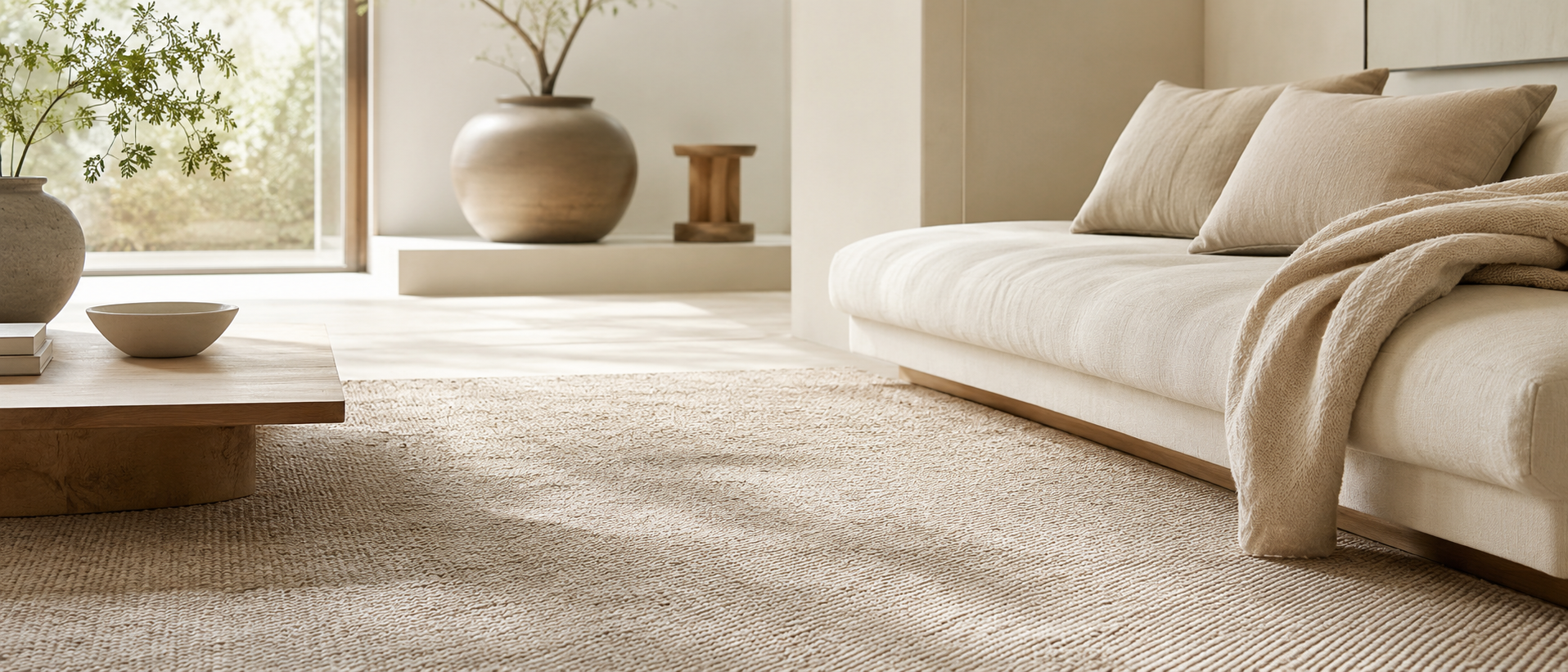
- Natural look: The material feels warm, organic and understated. It blends harmoniously into bright, calm interior styles.
- Dyeability: Cotton absorbs colours evenly and intensely. The range extends from neutral earth tones to clear, vibrant colours.
- Easy care: Many cotton rugs, especially smaller models, are machine washable. This is a clear advantage over many other rug materials.
- Lightness: Cotton rugs are significantly lighter than comparable wool rugs and therefore easier to handle in everyday life.
The Limits: When Cotton Requires a Careful Choice
As convincing as the advantages are, an honest guide also names the limitations. Cotton is absorbent, which can become a problem in bathrooms or permanently damp rooms: the fibre absorbs moisture well but releases it only slowly. This can lead to mould forming if a rug remains damp for an extended period.
In heavily used walkways, such as hallways or transitional areas, cotton can show signs of wear more quickly than a robust wool rug or a synthetic fibre rug. The fibre is soft but less resistant to intensive mechanical stress.
Colour fastness also deserves attention: colours can fade with direct sunlight or improper cleaning. And anyone who assumes that "washable" means "washable under any conditions" should read the care label carefully. Incorrect temperatures, heavy spinning or the wrong detergent can permanently damage the shape, colour and structure of a cotton rug.
Which Rooms Are Suitable for a Cotton Rug?
Cotton is a versatile material that makes a good impression in various living areas. A few points of orientation:
- Children's room: A children's room rug made of cotton is a popular choice. The soft surface provides comfort when playing on the floor, skin compatibility is an argument for families with sensitive children, and many models are washable.
- Bedroom: In the bedroom, cotton impresses with its understated, homely character and the pleasant barefoot feel.
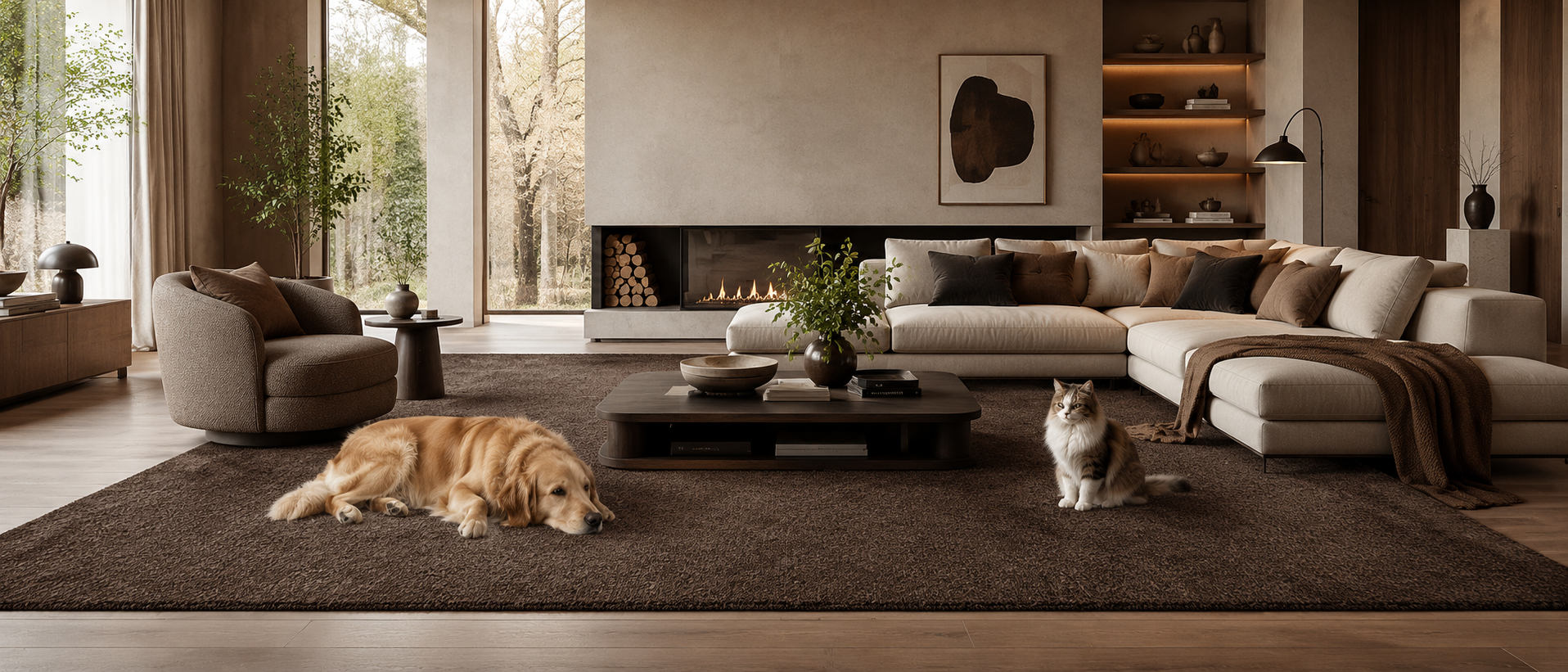
- Living room: A living room rug made of cotton suits interiors that rely on natural materials and light colour palettes. With very heavy use, a more robust weave or additional non-slip backing is recommended.
- Kitchen and dining area: Cotton flatweaves are suitable for these zones, provided they are washable and moisture is properly managed.
- Hallway: In short runners with a high weave density, cotton can work well. For long, heavily used hallways, more durable materials are often the better choice.
Caring for and Cleaning a Cotton Rug
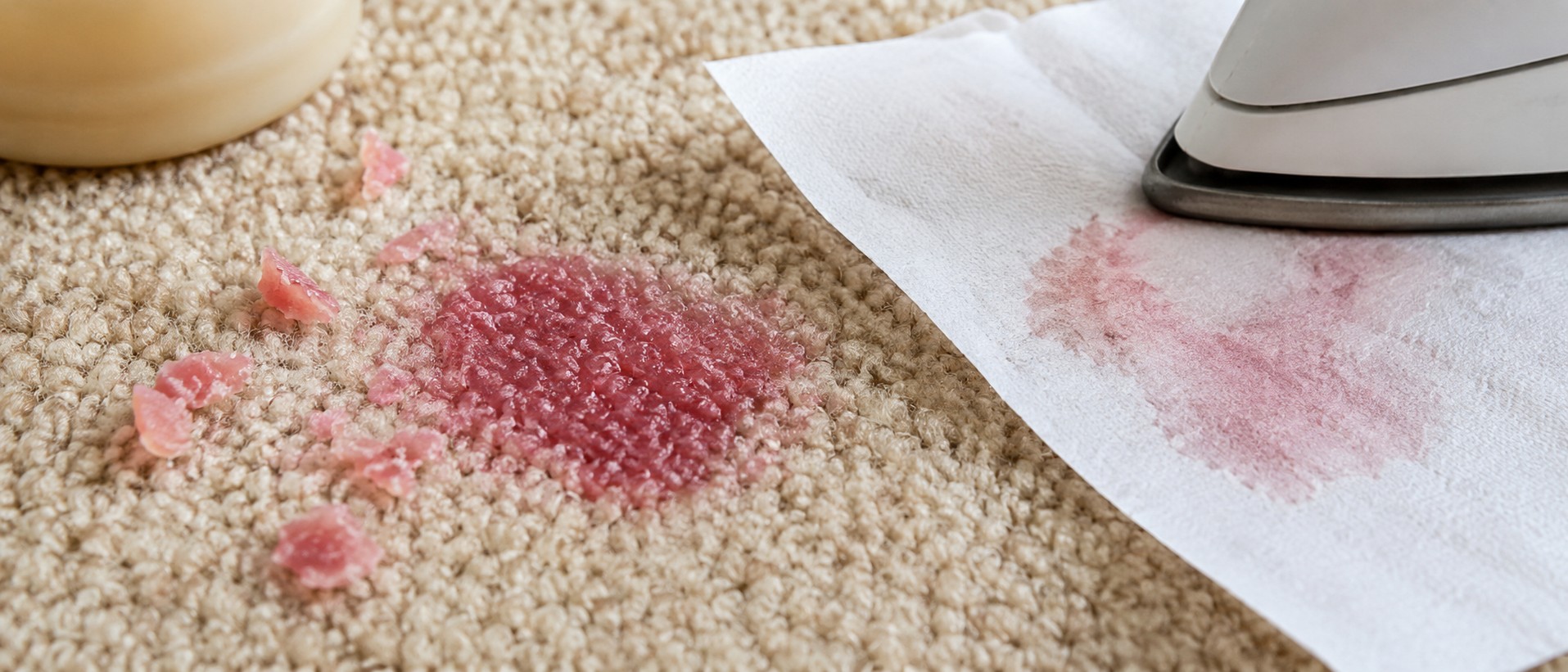
Caring for a cotton rug is straightforward in everyday life. Regular vacuuming removes dust and dirt before it works its way into the fibres. Fresh stains should be blotted immediately, as rubbing can damage the fibre.
Smaller cotton rugs are often machine washable. The rule is: read the care label, select a gentle cycle, reduce spinning to a minimum and allow the rug to dry flat. Hanging a damp cotton rug can permanently distort many cotton fabrics. Bleach and aggressive cleaning agents should be avoided in general.
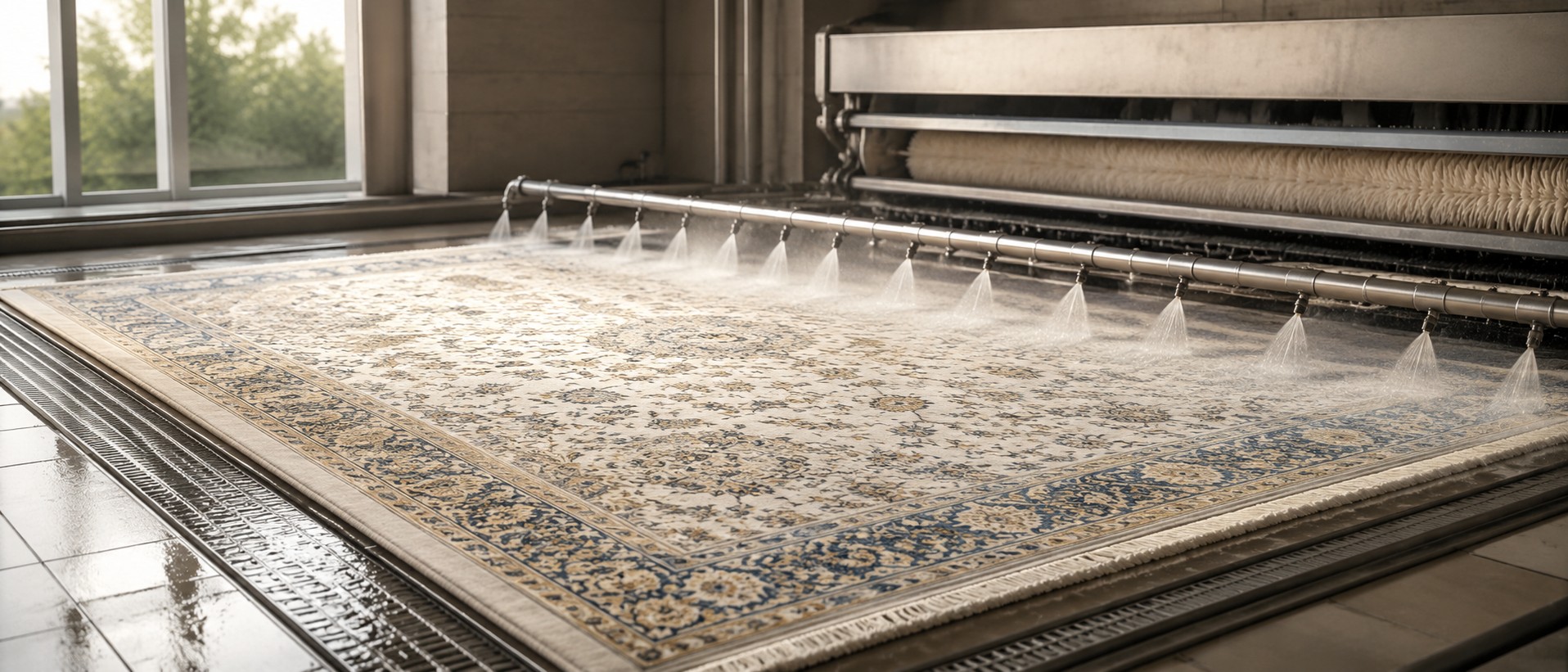
Larger models should be cleaned professionally. Home wet cleaning of large surfaces carries the risk that the rug remains damp inside and mould develops.
Is Cotton Sustainable?
Cotton is a natural, biodegradable fibre. This is a genuine advantage over synthetic materials such as polyester or nylon, which are derived from petroleum. However, it would be misleading to categorise cotton as environmentally friendly across the board.
Conventional cotton farming is water-intensive and uses considerable quantities of pesticides and fertilisers in many regions. The Aral Sea disaster is one of the most well-known examples of the ecological consequences of intensive cotton irrigation.
Anyone looking for a better environmental record should specifically seek out organic cotton or recycled cotton. Certifications such as OEKO-TEX Standard 100 demonstrate at least that the finished product has been tested for harmful substances. Transparent information about origin and credible product details from the manufacturer are further points of reference.
Cotton, Wool or Synthetic Fibre: a Brief Comparison
Those weighing up different rug materials often ask the same questions. Here is an honest comparison:
- Cotton vs. wool rug: A wool rug is generally more robust, more dirt-resistant and more durable. Cotton is lighter, more affordable and suitable for people with wool allergies. Those seeking maximum durability will be better served by a wool rug. Those who prefer comfort, washability and a lighter material are well suited to cotton.
- Cotton vs. jute rug: A jute rug brings a more rustic, textured surface. Jute is very natural but less soft and even more sensitive to moisture. Cotton is more pleasant to the touch and more versatile in its applications.
- Cotton vs. synthetic fibre: Polyester or polypropylene rugs are often more affordable, very durable and easy to clean. They lack, however, the natural feel and texture of cotton. Those who value naturalness and want to choose a plant-based fibre will make the better choice with cotton.
Conclusion: Who Is a Cotton Rug Ideal For?
A cotton rug is the right choice for anyone looking for a natural, soft and homely material that is easy to handle in everyday life. It is particularly well suited to bedrooms and children's rooms, to bright living concepts with natural materials and to areas where washability is a practical consideration.
Those looking for a rug for a heavily used corridor, a damp bathroom or an intensive walkway should consider more robust alternatives. The strength of cotton lies in the combination of softness, naturalness and everyday practicality, and it is precisely where these properties are called for that it performs very well.
FAQ
What Is a Cotton Rug?
A cotton rug is a rug made from a plant-based natural fibre. Cotton comes from the fine seed hairs of the cotton plant Gossypium and is spun, dyed and processed after harvesting. Depending on the model, the result is a woven rug, a flatweave or a tufted model. The result feels soft, light and natural. Cotton rugs are a skin-friendly alternative to wool or synthetic fibre and are suitable for many living areas.
Is a Cotton Rug Easy to Care For?
In everyday life, regular vacuuming is usually sufficient. Fresh stains should be blotted immediately. Many smaller cotton rugs are machine washable depending on the care label, with a gentle cycle and careful spinning recommended. The rug should then be left to dry flat. Larger models are better cleaned professionally, as improper care can permanently affect the colour, shape or structure.
What Are the Advantages of Cotton in Rugs?
Soft, pleasant texture, ideal for barefoot comfort Skin-friendly and suitable for people who react to wool Natural, homely look for bright and calm interior styles Excellent dyeability for a wide range of design options Lighter than wool and easier to handle in everyday use Many models are machine washable, particularly practical for children's rooms and bedrooms
What Are the Disadvantages of a Cotton Rug?
Less resistant than wool or synthetic fibre rugs in heavily used walkways Absorbs moisture and dries slowly, which can be problematic in damp rooms Colours can fade with strong sunlight or improper cleaning Machine washability applies only to certain models; the care label is binding Light flatweaves can slip on smooth floors; an underlay mat may be necessary
Is Cotton a Sustainable Rug Material?
Cotton is a natural, biodegradable fibre, which puts it clearly ahead of synthetic materials. However, conventional cultivation can be water- and pesticide-intensive. A better choice is organic cotton or recycled cotton. The OEKO-TEX Standard 100 certification confirms that the finished product has been tested for harmful substances. Sustainability should always be assessed against specific information about origin and production.