
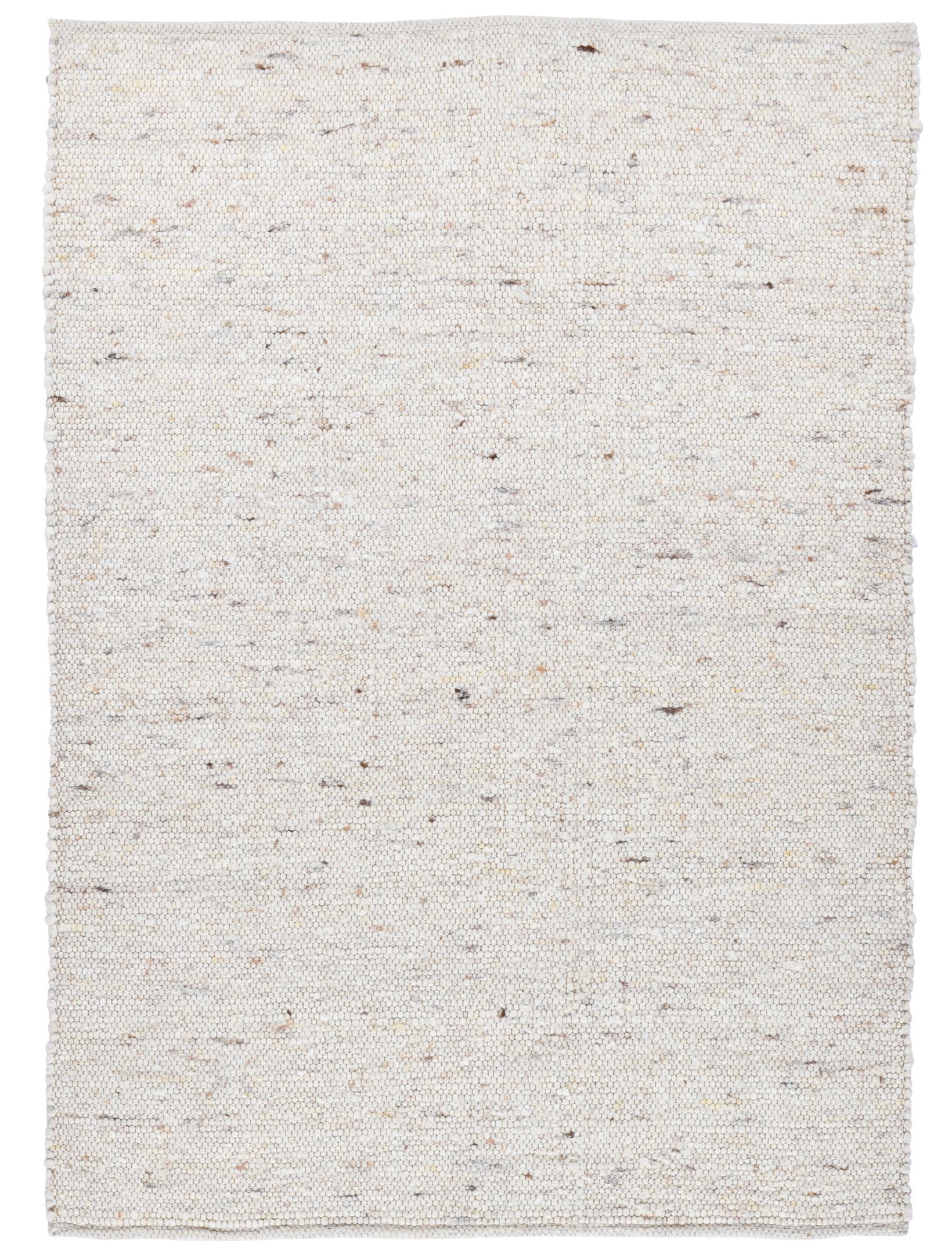


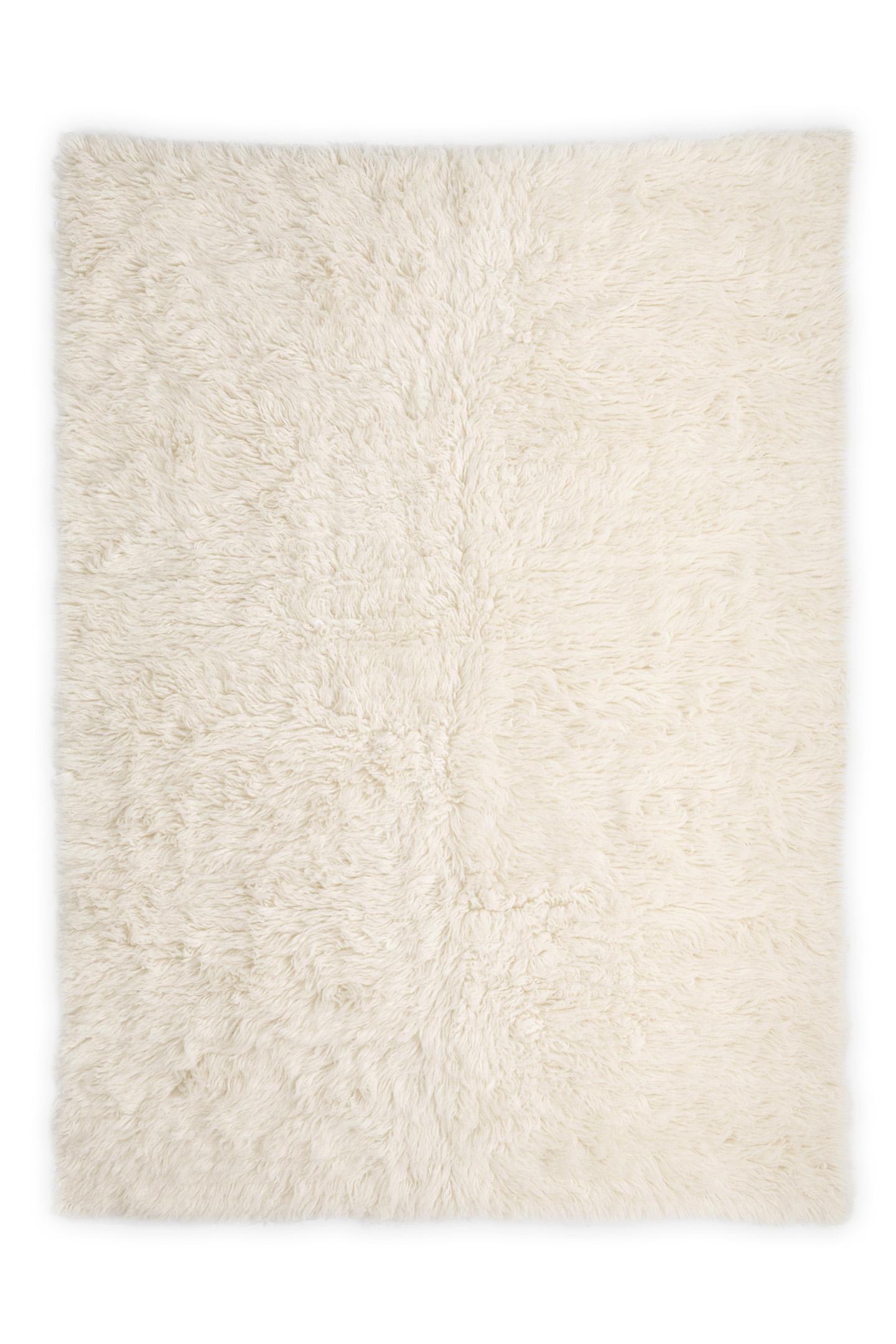


Why a unicolour rug makes such a difference
A solid colour rug is the strongest foundation a room can have. Where furniture, art or curtains already draw attention, a unicolour rug creates calm and cohesion. The result: a living room that feels more refined and considered, with no individual elements competing with one another. Solid colour rugs are far from boring. Texture, pile height and weave quality take on the role that a pattern would otherwise play.
Choosing the right colour
Colour is the most important decision when buying a rug, especially with plain models. The nuances matter: a beige rug in the variant cream, sand, greige or taupe each looks different in the light and next to various pieces of furniture. The following overview helps with orientation:
- Beige, cream, sand: Timeless all-rounders that harmonise with almost every interior style. Light tones make small rooms feel more generous.
- Grey and anthracite: Modern neutrality for clear, pared-back interiors. Darker tones show dust and fluff more visibly.
- Brown and taupe: Warmth and grounding, ideal with natural materials and wooden furniture.
- Green, blue, terracotta: Subtle splashes of colour that enliven a room without overwhelming it.
- Red rug: A statement with radiance that calls for clear furniture and a calm backdrop.
- Black: Maximum contrast, striking in modern and industrial spaces.
Choosing material according to use
The material determines how a rug feels, how it ages and how easy it is to care for in everyday life.
- Wool: Natural, homely and long-lasting. Wool regulates moisture, feels pleasantly soft underfoot and takes colour deeply and evenly. Particularly recommended for living spaces.
- Cotton: Light, washable and comfortable in direct contact. Well suited to bedrooms and children's rooms.
- Viscose: Silky sheen and a fine texture that makes the solid colour character look especially refined. Better suited to areas with low wear.
- Polyester and polypropylene: Robust, easy to care for and attractively priced. Colours remain stable over the long term, even with heavier use.
Pile height and everyday life
Pile height influences how a rug feels and how it needs to be maintained. Low pile is suitable for dining areas, kitchen zones and heavily used rooms: it is easy to vacuum, does not trap crumbs deep within and retains its shape. High pile gives the living room and bedroom a soft, inviting feel. Those who keep pets or have a lot of daily activity on the rug are well advised to choose a medium pile with a slightly darker colour.
Planning the right size
Rugs that are too small are the most common mistake when furnishing a room. In the living room, the rug should be at least as wide as the seating group; generous formats from 200x300 cm look noticeably more harmonious in the space. Ideally, the front legs of the sofa rest on the rug so that the seating area and rug visually belong together. In the dining room, the rug must be large enough for the table and chairs to fit on it completely, even when the chairs are pulled out.
How to find your rug in three steps
- Determine the room: Living room, bedroom, dining room and hallway each have different requirements regarding pile, material and ease of care.
- Choose the colour: Use wall colour, furniture and light as a starting point. In bright, airy rooms the colour may be slightly bolder; with patterned furniture a calm, neutral tone is recommended.
- Check the size: Measure the dimensions of the room and the furniture group before starting to buy the rug. When in doubt, choose one size larger.
